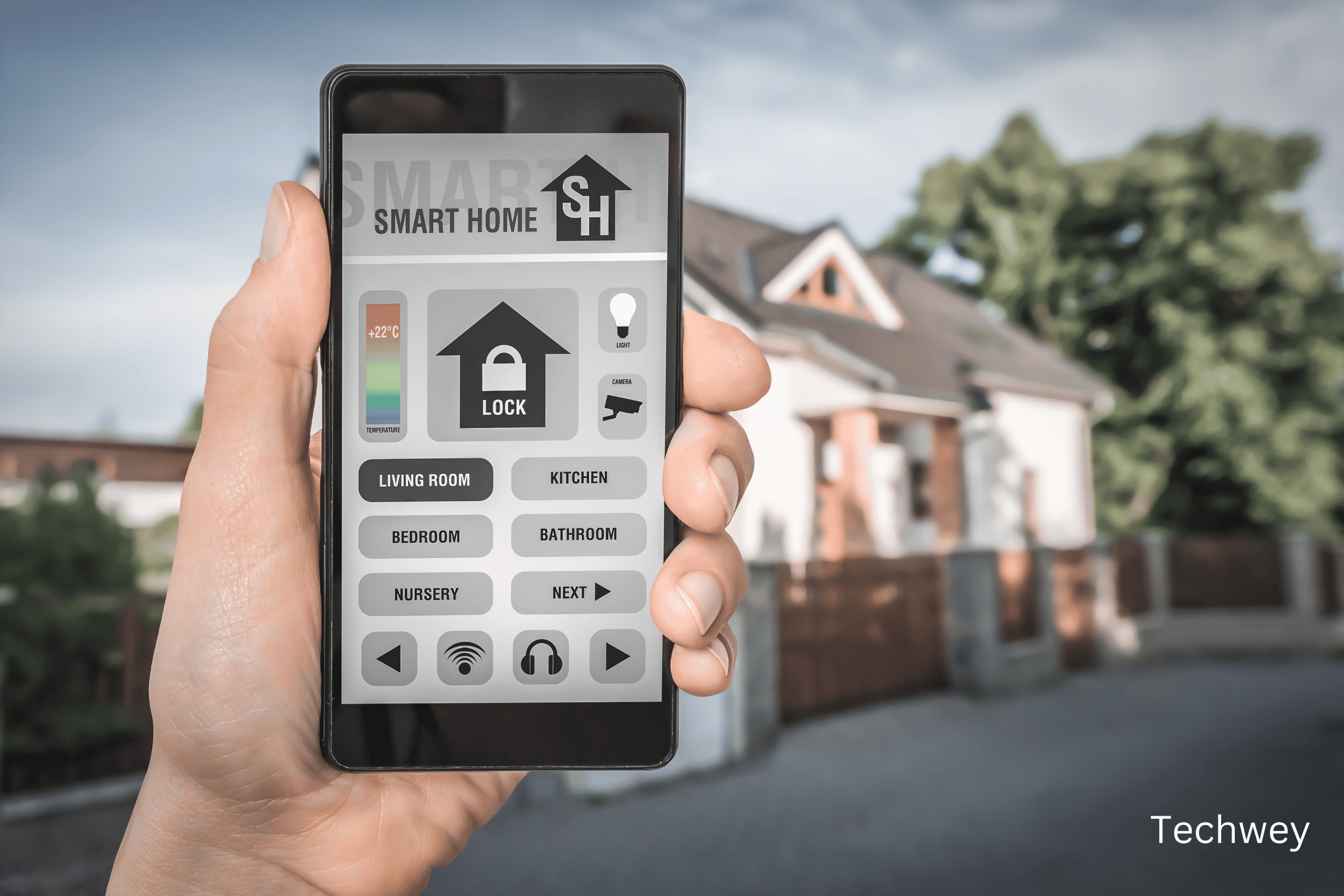
The Best Smart Home Gadgets Worth Buying in 2026
Smart home gadgets have had a complicated reputation. For years, the pitch was better than the reality: devices that needed babysitting, apps that rarely worked, and ecosystems that refused to talk to each other. 2026 is different.
The tech has matured. AI has made devices genuinely smarter. And the introduction of the Matter standard means most modern smart home products now work across Apple, Google, and Amazon platforms without the compatibility headaches of the past.
Here are the smart home gadgets that are actually worth buying right now — along with what to look for and what to avoid.
Smart Displays: Amazon Echo Show 15 (2nd Gen)
A smart display is one of the most underrated additions to any home. The Amazon Echo Show 15 (2nd Gen) is the best one on the market right now. It’s a 15.6-inch wall-mounted screen that handles calendar management, video calls, recipe walkthroughs, smart home controls, and media playback — all in one place.
What makes the 2026 version stand out is the upgraded AI. The new Alexa Plus uses a large language model similar in capability to ChatGPT, which means it can handle genuinely complex, multi-step requests rather than just simple commands. Ask it to “reschedule my 3pm meeting and add a reminder an hour before” and it actually does it.
Best for: Kitchens, living rooms, and anyone who wants a central hub for their home.
Price: Around $349.
Smart Plugs: Matter-Compatible Plugs
Smart plugs are the most cost-effective entry point into a smart home. They turn any normal appliance — a lamp, a fan, a coffee machine — into something you can control remotely, schedule, or automate.
The key thing to look for in 2026 is Matter compatibility. Matter is an open standard backed by Apple, Google, Amazon, and Samsung. A Matter-compatible plug works with all of them, which means you’re not locked into one ecosystem.
The Eve Energy plug is a standout. It’s Matter-compatible, has built-in energy monitoring (so you can see exactly how much power each device is using), and works with HomeKit, Google Home, and Alexa without a bridge or hub. At around $39 each, it’s one of the best value smart home purchases available.
Best for: Anyone just getting started, or looking to add automation without replacing appliances.
Price: $35–$45 per plug.
Smart Lighting: Philips Hue
Philips Hue remains the gold standard for smart lighting — and it keeps getting better. The 2026 range now includes bulbs that can match the colour temperature of natural light throughout the day, which has a genuine impact on focus and sleep quality.
The Hue Gradient Lightstrip is a standout product. It projects multiple colours simultaneously along its length, creating ambient lighting effects that are genuinely impressive for both entertainment setups and relaxation. Pair it with a Hue Bridge and you can automate lighting based on time of day, presence detection, or even what you’re watching on TV.
Philips Hue is also fully Matter-compatible, meaning it integrates cleanly with whichever ecosystem you’re in. The starter kits begin at around $70, with individual bulbs from $20.
Best for: People who want fine-grained lighting control and reliable performance.
Price: Starter kits from $70.
Smart Security: Google Nest Doorbell (Wired)
Home security is one of the areas where smart home tech delivers the most obvious value. The Google Nest Doorbell (Wired) is the best video doorbell for most people in 2026.
It records in HDR, has a wide field of view that captures both faces and packages on the ground, and uses on-device AI to distinguish between people, animals, vehicles, and packages — so you only get notified for things that matter. The face recognition feature can alert you specifically when it sees an unfamiliar person rather than just any motion.
The wired version is recommended over the battery version for reliability — no worrying about charging, and it records continuously rather than only on motion. It integrates with Google Home and is Matter-compatible for cross-platform setups.
Best for: Front doors, rental properties, and anyone who wants reliable package and visitor monitoring.
Price: Around $179.
Smart Thermostats: Google Nest Learning Thermostat (4th Gen)
A smart thermostat is the smart home upgrade with the most direct financial return. It learns your schedule and preferences, adjusts automatically, and can cut heating and cooling costs significantly over time.
The Google Nest Learning Thermostat (4th Gen) is the best on the market. It has a redesigned display, faster AI scheduling, and tighter integration with Google Home and Apple Home via Matter. It also now supports whole-home energy management — coordinating your HVAC, hot water, and EV charger to minimise energy use during peak pricing periods.
Google reports that Nest users save an average of 10–12% on heating and 15% on cooling annually. At a price of around $279, most households recoup the cost within a year or two.
Best for: Homeowners who want to reduce energy bills without sacrificing comfort.
Price: Around $279.
Smart Sensors: Aqara Motion and Contact Sensors
Sensors are the unsung heroes of the smart home. They’re small, inexpensive, and unlock automation possibilities that make your home feel genuinely intelligent.
Aqara’s range of motion sensors, door/window contact sensors, and temperature sensors are the best value options available. They’re Matter-compatible, last years on a single battery, and can trigger automations across your entire ecosystem — turn on a light when you enter a room, get an alert if a window is left open when it rains, automatically adjust the thermostat when a door has been open for more than five minutes.
A starter pack of four sensors costs around $60. Once you start building automations with them, you’ll wish you’d bought more.
Best for: Anyone who wants to automate their home intelligently without a big upfront investment.
Price: From $15 per sensor.
What to Avoid
Not everything in the smart home market is worth your money. A few things to steer clear of:
- Anything without Matter support. Proprietary ecosystems lock you in and create compatibility headaches. If a product launched before 2023 and hasn’t received a Matter update, think twice.
- Cheap no-brand smart cameras. Budget cameras from unknown brands often have poor data security practices. Your home security footage is not something to cut corners on.
- Smart appliances from brands with poor software track records. A smart fridge is only smart if the software behind it is actively maintained. Cheap smart appliances often stop receiving updates within a year or two.
The Bottom Line
The smart home is no longer a niche hobby for tech enthusiasts. The Matter standard has made compatibility a solved problem. AI has made devices genuinely useful rather than just gimmicky. And the price of quality smart home hardware has dropped significantly over the past two years.
Start with the basics — a smart plug, a smart bulb, or a doorbell camera. Once you see how well the modern ecosystem works, you’ll find plenty of reasons to expand. The best smart home is the one you actually use — and in 2026, that’s easier to build than ever.
For a deeper look at the technologies powering these devices, check out our guide to 10 emerging technologies transforming the future — including the AI and IoT advances behind the smart home revolution.
Read more tech related articles here.