Samsung Galaxy Z Fold8 Ultra vs Fold8 vs Flip8: Which One Should You Buy?
Samsung held its Galaxy Unpacked event in London yesterday and launched three new foldable smartphones at once — the Galaxy Z Fold8 Ultra, the redesigned Galaxy Z Fold8, and the Galaxy Z Flip8. All three are available for pre-order now, with retail availability expected in early August.
Three foldables, three different price points, three genuinely different use cases. Here’s what you need to know about each one — and how to decide which is right for you.
Galaxy Z Fold8 Ultra — The One That Does Everything
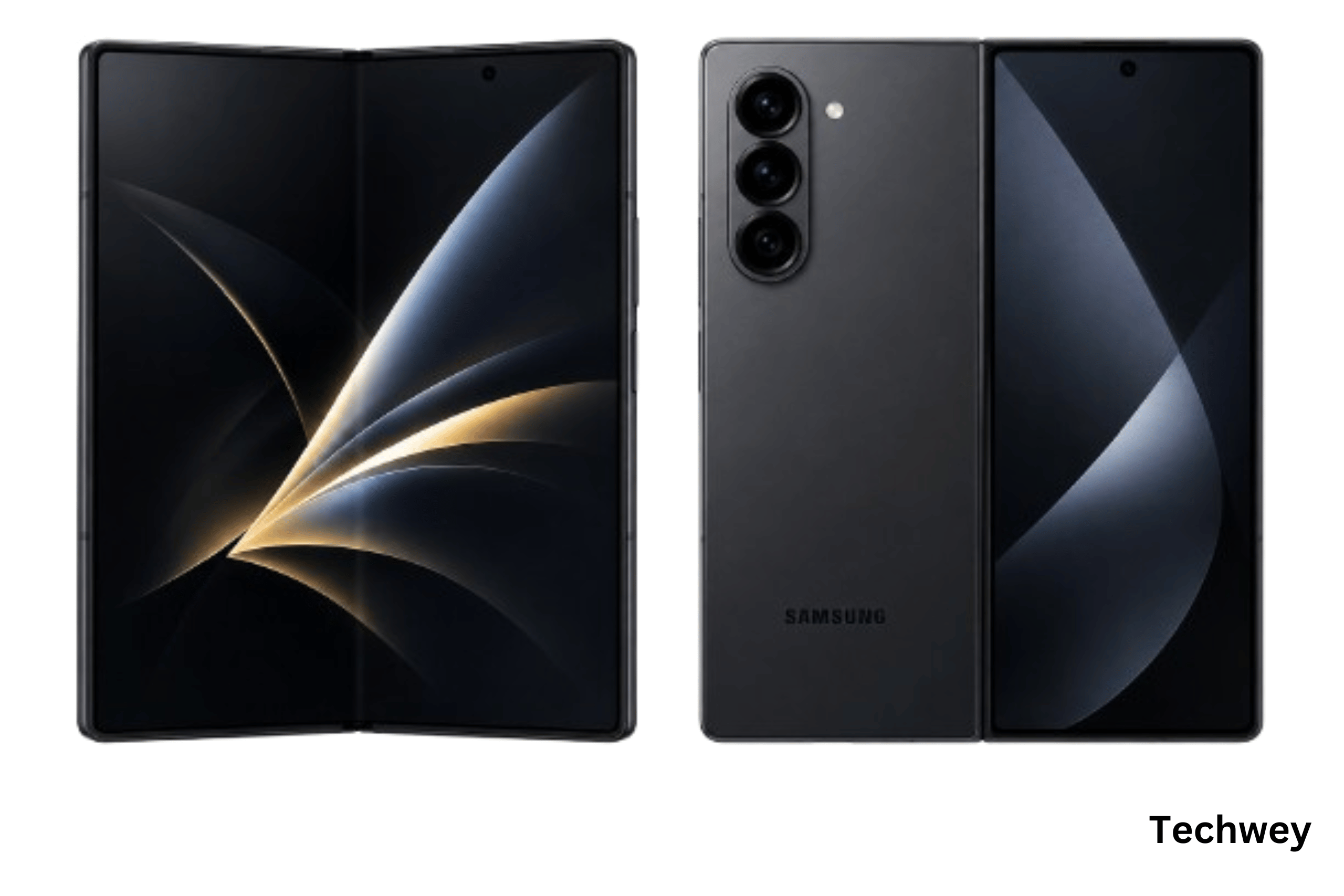
Measuring 4.1 millimetres thick when unfolded and weighing only 215 grams, the Galaxy Z Fold8 Ultra is the thinnest Galaxy Z Fold yet. It unfolds to reveal an 8-inch main display and is powered by the Snapdragon 8 Elite Gen 5 and features a 5,000mAh battery, up from the 4,400mAh unit on the Fold7. Charging has also been upgraded to 45W wired through a new dual path charging architecture, compared to the 25W wired charging supported by the previous model.
The camera is the Fold8 Ultra’s clearest differentiator from the standard Fold8. The Ultra keeps the traditional tall book-style shape with a triple camera — 200MP main, 50MP ultrawide, 10MP 3x telephoto. That’s a serious camera system, genuinely competitive with Samsung’s S-series flagships.
One notable omission: Samsung reportedly removed the digitizer to achieve thinner designs, and neither Fold8 model is expected to support the S Pen. If you relied on S Pen support in previous Fold devices, that’s a real loss worth factoring in.
Price: $2,099. A $100 increase on the equivalent Fold7 model, driven by rising memory chip costs.
Best for: Power users who want the best foldable camera, the biggest display, and the thinnest profile — and don’t need an S Pen.
Galaxy Z Fold8 — The New Form Factor
The standard Fold8 is the most structurally interesting of the three. The Fold8 Wide adopts a shorter, wider 4:3 form factor with a dual camera — 50MP main, 50MP ultrawide, no telephoto — a smaller battery at approximately 4,800mAh, and a lower starting price of $1,899.
The wider 4:3 aspect ratio is a direct response to user feedback. The traditional tall, narrow Fold form factor was awkward for watching video and browsing the web in landscape. The new shape makes the unfolded screen feel more like a tablet and less like a stretched phone. It also features Galaxy AI-powered My FanCam to automatically track and reframe video subjects, and advanced agentic AI features.
The trade-off is clear. No telephoto lens, slightly smaller battery, and — as analyst Ben Wood of CCS Insight noted — Samsung will have to have a very strong sales proposition for this device so consumers can understand why they would choose this device over the Z Fold8 Ultra, which is only $200 more. That’s a fair point. The $200 gap between the two Fold models is narrow enough that most buyers will need to decide based on form factor preference, not price.
Price: $1,899.
Best for: People who want a foldable primarily for content consumption — video, reading, browsing — and prefer a wider screen over a longer one.
Galaxy Z Flip8 — The Compact Foldable
The Flip8 is a different product entirely. It’s a flip phone form factor — small, pocketable, and designed around self-expression as much as productivity. The compact Galaxy Z Flip8 offers an enhanced FlexWindow with Now Brief for quick updates and new camera features including Camcorder Grip, Super Steady with Horizontal Lock, and Dual Recording capturing the creator and subject.
The Galaxy Z Flip8 starts at $1,199.99 — a $100 price hike over the Flip7. The camera improvements and AI features are meaningful upgrades for content creators who shoot a lot of video. But reviewers have generally described the Flip8 as an incremental update — better than its predecessor, but without a single headline feature that makes upgrading feel urgent if you already own a Flip7.
Where the Flip8 wins is portability. It folds down to a size that fits in any pocket, making it genuinely more convenient to carry than any flagship slab phone. For people who prioritise that form factor above all else, there’s nothing else like it at this price point from a major manufacturer.
Price: From $1,199.
Best for: People who want a compact, stylish foldable for everyday use and casual content creation — not hardcore productivity or photography.
The Context: Apple Is Coming
There’s a reason Samsung launched three foldables at once with price increases it knows will generate friction. With Apple entering the foldable market and Chinese manufacturers pushing aggressive specs and pricing, Samsung is diversifying its lineup to defend market share.
Apple’s first foldable iPhone is expected before the end of 2026. When it arrives, it will almost certainly command a premium and capture enormous media attention. Samsung’s expanded lineup — three devices at three price points with distinct use cases — is a defensive play designed to hold as much of the market as possible before that happens.
For buyers, that competition is a good thing. Samsung is pushing harder on specs, thinness, and AI features precisely because it knows it can’t afford to stand still. The Galaxy Z Fold8 Ultra, in particular, is the most technically impressive Fold Samsung has ever made. For more on the broader gadget landscape, see our guide to the best tech worth buying in 2026.
Which One Should You Buy?
If you want the best foldable on the market right now and budget isn’t the primary concern: Galaxy Z Fold8 Ultra.
If you mainly want a foldable for watching content and prefer a wider screen: Galaxy Z Fold8.
If you want a compact, stylish phone that fits in any pocket: Galaxy Z Flip8.
If you’re waiting to see what Apple does first: that’s a completely reasonable choice too.
Read more tech related articles here.