How Boring Memory Chips Became the Hottest Trade in AI
The flashiest part of the AI boom has always been the chips that do the thinking. Nvidia’s GPUs got the headlines, the keynote standing ovations, the trillion-dollar valuation. But the hottest trade in AI right now isn’t the brains, it’s the memory chips.
In late May 2026, SK Hynix, the South Korean company that makes the memory chips packed into AI servers, crossed a $1 trillion market cap for the first time. Its shares jumped about 11% in a single day to get there, capping a run that’s seen the stock climb roughly 250% since the start of the year. With that, it joined Samsung and Micron, which both crossed the same line the same week. Three memory makers, three trillion-dollar valuations, all in a matter of days.
If you’ve spent the last two years hearing that GPUs are the only thing that matters in AI, this is the plot twist.
Wait, memory chips? Aren’t those boring?
They used to be. For decades, memory was the unglamorous, cyclical corner of the chip industry. Prices boomed and busted, margins were thin, and nobody wrote breathless articles about DRAM.
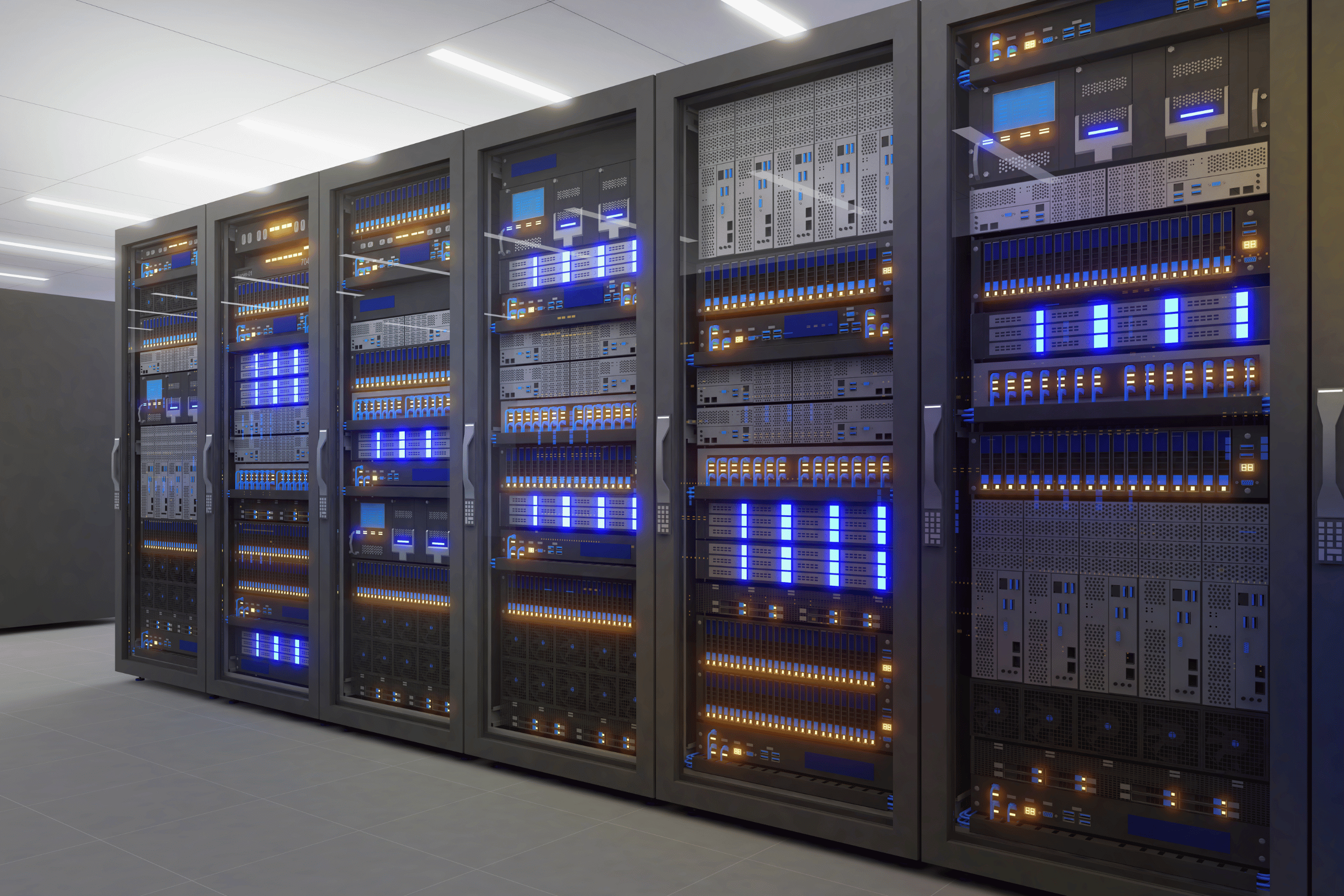
What changed is how AI actually works. Training and running big models isn’t just about raw computing power. The chips doing the math need to be fed enormous amounts of data, and fed it fast. That’s the job of a special kind of memory called high-bandwidth memory, or HBM. Stack it right next to the processor and it keeps the expensive GPU from sitting idle, waiting around for data. As models got bigger, HBM stopped being a supporting actor and turned into the bottleneck. Whoever could make enough of it suddenly had a lot of leverage.
SK Hynix’s quiet climb to the top
SK Hynix happened to be very good at exactly this. It became a key supplier to Nvidia, which put it right at the center of the global AI supply chain. Just about every AI accelerator that ships needs its memory, and demand has badly outstripped what the industry can make.
The result is the kind of stock chart that makes people do a double take: up around 250% in a year, and a market value north of $1 trillion. For a company most people outside the industry had never heard of, that’s a remarkable place to land.
The part that surprises people
Here’s the counterintuitive bit. Even after a 250% run, some analysts argue the stock has actually gotten cheaper, not more expensive. That sounds impossible until you remember a valuation is really just a ratio. If a company’s expected earnings climb faster than its share price, the stock can rise and still look like a better deal on paper. That’s roughly what’s happened, as analysts keep raising their forecasts to catch up with AI demand.
None of which makes it a sure thing. Memory has always been cyclical, and what rides up on an AI wave can come down hard if that wave breaks. But it does explain why investors keep piling in even after the gains.
What it says about the AI boom
Step back and there’s a bigger story here. The same forces minting eye-watering valuations across AI, from the model labs to the chipmakers, are now reaching the parts of the supply chain nobody used to think about. The same boom that’s pushing AI companies toward trillion-dollar valuations is quietly lifting the firms that make the plumbing.
It’s also a reminder of an old gold-rush truth: a lot of the time, the people selling shovels do better than the prospectors. Which model wins the AI race is still anyone’s guess. The memory inside the machines running all of them? That’s already paying off.
So what now?
Memory chips spent decades as the boring part of tech. In 2026 they’re the surprise stars of the biggest investment story going. Whether SK Hynix, Samsung, and Micron can hold onto their trillion-dollar valuations comes down to one question: does AI demand keep climbing, or finally cool? For now, the least glamorous chips in your devices are quietly running the show.
Market figures reflect reporting as of late May 2026 and move quickly.