Midjourney Demands Disney, Universal, and Warner Bros. Reveal Their Secret AI Use
AI image startup Midjourney is escalating its legal fight with three of Hollywood’s biggest studios by demanding they disclose how they use artificial intelligence tools — including, potentially, Midjourney itself. The move is part of the discovery process in an ongoing Midjourney Hollywood AI lawsuit that pits the startup’s fair use arguments against the studios’ copyright claims.
The case involves Disney, Universal, and Warner Bros. — three of the most powerful rights holders in the entertainment industry — and raises questions that go well beyond Midjourney itself: who gets to train AI on creative content, and does it matter if everyone is secretly doing it?
How the Lawsuit Started
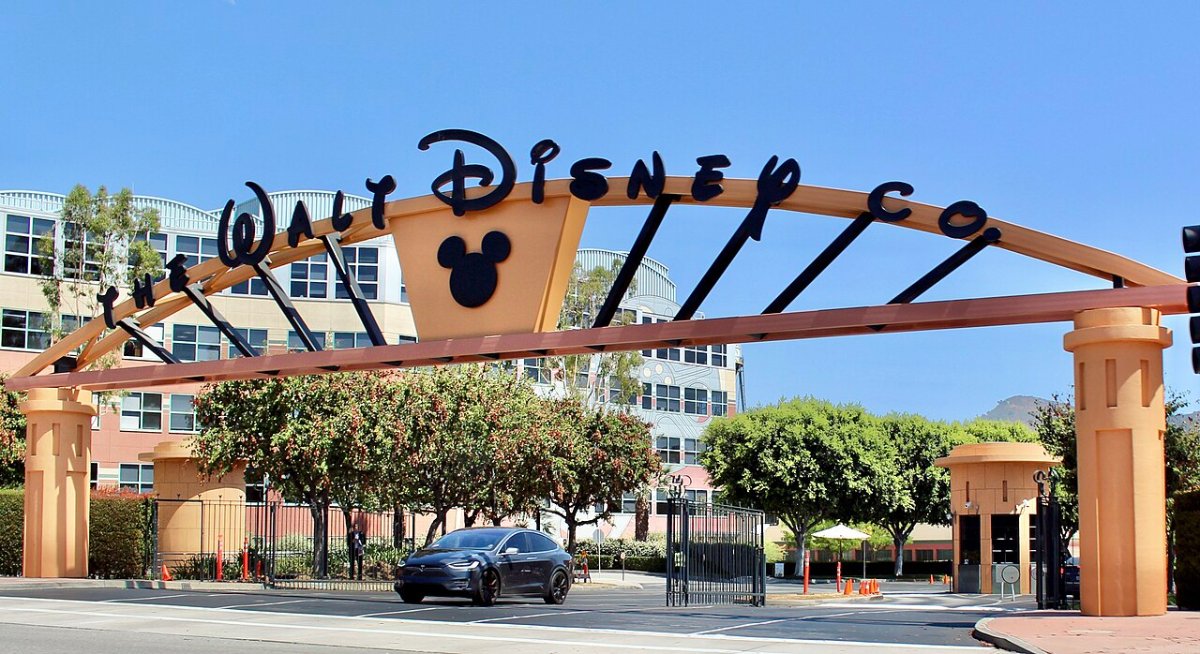
Disney and Universal filed suit against Midjourney in 2025, alleging that the startup’s image-generation models could produce images of characters the studios own — including Bart Simpson and Darth Vader — without authorization. The studios argued this constituted copyright infringement.
Warner Bros. followed with its own lawsuit months later, targeting Midjourney’s ability to generate AI images of Superman, Batman, and other iconic characters from its IP library.
Midjourney has defended itself on fair use grounds, arguing that training AI models on copyrighted images is legally permitted under existing copyright law — the same argument that has become central to virtually every major AI copyright case currently winding through US courts.
The Discovery Fight: What the Studios Must Reveal
The latest flashpoint is not about the underlying copyright question — it is about what documents the studios must hand over during the discovery process. A judge had previously ruled that the studios would need to provide information about their own generative AI usage, but imposed a significant limitation: that disclosure was only required when the AI usage led to “consumer-facing” videos or images.
In its latest court filing, Midjourney is asking the court to overturn that limitation. The startup argues the restriction “unfairly” allows the studios to “cherry-pick only those documents they believe support their market harm claims while depriving Midjourney of documents that would support its defenses.”
In plain terms: Midjourney wants everything, not just the AI outputs the studios are comfortable showing.
The Hypocrisy Argument
Midjourney’s legal strategy here is pointed. The startup argues in its filing that “the documents [the studios] are withholding are precisely those that would reveal whether, behind closed doors, they are doing exactly what they are suing Midjourney for doing.”
Specifically, Midjourney contends that if the studios have been using AI image-generation tools for internal purposes — such as storyboarding films, ideating concept art for TV productions, or exploring visual directions before committing to production design — that would be evidence that using AI trained on unlicensed copyrighted content is in fact “an industry custom, even among the studios themselves.”
The implication is significant: you cannot credibly sue a company for training AI on copyrighted images if your own employees have been doing the same thing internally. That argument, if supported by documentary evidence, could meaningfully weaken the studios’ case.
The Studios’ Position
The studios’ lead attorney, David Singer, pushed back hard on Midjourney’s disclosure request. Singer characterized it as a “fishing expedition” — a legal term for broad discovery demands designed more to harass than to find genuinely relevant evidence.
Singer also offered a narrow framing of what the studios are actually seeking. He stated that the studios “do not seek to stop AI technology or even shut down Midjourney’s business,” but rather “simply want Midjourney to stop copying their movies and TV shows and to stop distributing, publicly displaying, publicly performing, and creating derivative works that include copies of their famous characters without authorization.”
Whether the court accepts that framing — or sides with Midjourney’s broader view of what is relevant to the case — will shape how much of the studios’ internal AI activity becomes part of the public record.
Why This Case Matters Beyond Hollywood
The Midjourney Hollywood AI lawsuit is one of several landmark cases that will determine how copyright law applies to AI training data in the United States. Similar cases are underway involving OpenAI, Stability AI, and other image and text generation companies.
The outcome of these cases will affect every company that trains AI models on data scraped from the internet — which is to say, virtually every major AI company in operation today. If the courts decide that training on copyrighted material without a license is infringement, the economic model underlying much of the current AI industry would need to be restructured.
Midjourney’s move to turn the discovery process into an investigation of the studios’ own AI practices is a smart defensive play. Even if the gambit does not ultimately succeed in court, it signals that AI companies will not simply absorb these lawsuits passively — they will push back, and they will look for every available angle to complicate the plaintiffs’ position.
What to Watch Next
The immediate question is how the court rules on Midjourney’s request to expand the discovery scope. If the judge agrees that the studios must disclose broader AI usage — including internal tools and workflows — the resulting documentation could become some of the most revealing evidence of how Hollywood has already been integrating AI into its creative process.
That transparency, whatever it reveals, would be significant. The entertainment industry has been publicly cautious about AI while privately experimenting with it. The courtroom may end up being the place where the full picture finally comes out.
Read more tech related articles here.