Samsung Creaseless Folding Display at CES 2026: iPhone Fold First?
The holy grail of foldable smartphones just became reality—but not in the way anyone expected. At CES 2026, Samsung Display unveiled a revolutionary folding OLED panel that remains perfectly smooth when unfolded, eliminating the crease that has plagued foldable phones since their debut seven years ago. The catch? Apple’s rumored iPhone Fold will likely be the first device to feature this technology, not Samsung’s own Galaxy lineup.
This ironic twist highlights the complex relationship between display manufacturers and smartphone brands, where innovation doesn’t always reach the inventor’s products first. For tech enthusiasts who’ve watched the Samsung creaseless folding display evolution closely, this development represents both a technological triumph and a strategic puzzle.
The Crease Problem That Defined Foldables
Every foldable smartphone from the original Samsung Galaxy Fold to today’s latest models shares one unmistakable characteristic: a visible, tactile crease running down the center where the screen folds. Users quickly adapt to this imperfection, but it remains a constant reminder that foldable technology hasn’t fully matured.
The crease exists because flexible OLED panels must bend at a tight radius repeatedly without breaking. Current display technology requires ultra-thin glass or specialized plastic layers that inevitably create stress points at the fold. Over thousands of open-close cycles, these stress points become more pronounced, sometimes developing into wrinkles or permanent deformations.
Samsung engineers have gradually reduced crease visibility through improved hinge design, optimized folding radii, and better display layer materials. The Galaxy Z Fold 6 and Z Flip 6 feature less obvious creases than first-generation foldables, but the issue persisted—until now.
How Samsung’s Creaseless Folding Display Works
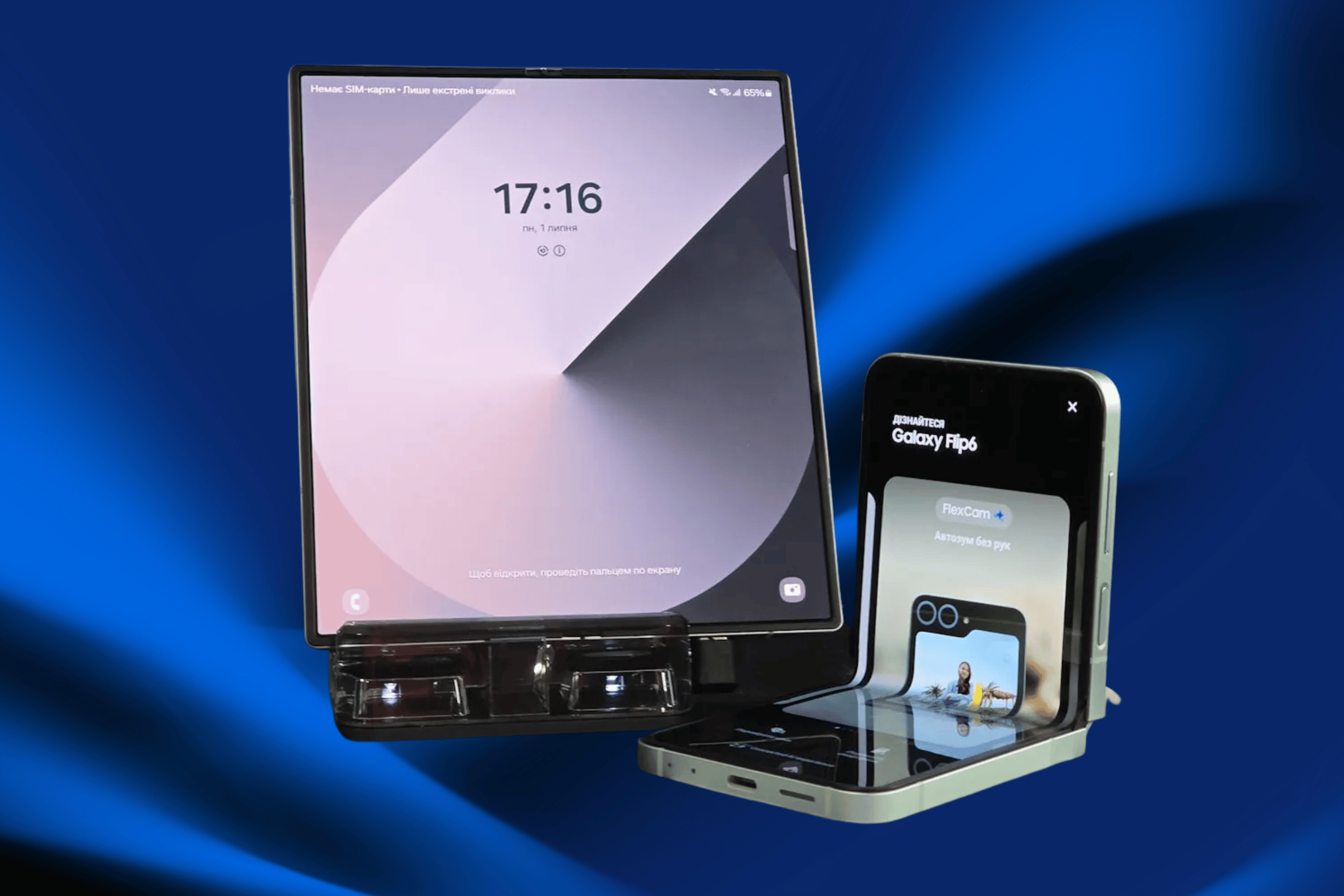
While Samsung Display hasn’t revealed complete technical specifications, the demonstration at CES 2026 showed a folding panel that appears completely flat when opened. No visible line, no tactile bump, no distortion—just a seamless display surface indistinguishable from traditional smartphone screens.
Industry observers suggest several possible breakthroughs enabling this Samsung creaseless folding display:
Advanced ultra-thin glass that bends more flexibly without stress concentration Improved hinge mechanisms distributing force more evenly across the fold area New adhesive layers that prevent display components from separating or bunching at the crease Optimized display stack design reducing internal stress through better material selection
The demonstration unit reportedly withstood thousands of fold cycles during testing without developing visible creasing, suggesting the technology is production-ready rather than a distant research concept.
For context, Samsung has dominated the foldable smartphone market since launching the category, but crease visibility remained the most consistent criticism across reviews. This breakthrough addresses the single biggest visual compromise inherent in foldable design.
Why Apple Gets It First
Here’s where the story gets interesting: Samsung Display and Samsung Electronics are separate entities. Samsung Display manufactures screens for numerous smartphone brands, including Apple. When Apple needs cutting-edge display technology, it often purchases from Samsung Display—its biggest competitor’s sister company.
Multiple sources familiar with Apple’s supply chain indicate the company has secured exclusive or priority access to the creaseless folding display technology for the rumored iPhone Fold, expected to launch later in 2026.
This arrangement makes economic sense for both parties:
For Samsung Display: Apple represents massive revenue. The company purchases hundreds of millions of OLED panels annually for the entire iPhone lineup. Securing a major supply contract for a new display technology justifies the research and development investment while ensuring manufacturing scale from day one.
For Apple: First-mover advantage in premium foldables is valuable. Android manufacturers have sold foldable phones for years while Apple watched from the sidelines. Launching the iPhone Fold with technology Samsung’s own phones don’t have yet creates a compelling differentiation story.
The deal structure likely includes an exclusivity window—perhaps 3-6 months—before Samsung Display can supply the panels to other customers, including Samsung Electronics for the Galaxy Z series.
What This Means for Android Foldable Fans
Before Android enthusiasts despair, this development might actually benefit the broader foldable ecosystem. TechRadar suggests that seeing creaseless technology debut on an expensive iPhone Fold could be “a blessing in disguise” for several reasons.
Accelerated adoption timeline: If Apple validates creaseless displays in a mainstream product, other manufacturers will prioritize the technology rather than treating it as an experimental feature. Competition drives rapid iteration.
Price normalization: The iPhone Fold will almost certainly launch at a premium price—likely $1,799 or higher. By the time Samsung, Google, and OnePlus adopt creaseless displays 6-12 months later, manufacturing scale and competition will have reduced costs, making the technology more accessible.
Refined manufacturing: Apple’s demanding quality standards mean Samsung Display will perfect production processes before broader rollout. Early iPhone Fold adopters essentially beta test the technology, identifying issues that get resolved before Android implementations.
Market expansion: Apple’s entry legitimizes foldables to millions of consumers who dismissed them as experimental. A larger overall market benefits all manufacturers through increased component supply and software optimization.
The Android community has often benefited from Apple arriving late to technology categories. The company rarely pioneers—instead, it waits until technology matures, then enters with refined implementations that drive mainstream adoption.
The Foldable Smartphone Market in 2026
Samsung’s creaseless folding display debuts amid a pivotal year for foldable devices. After years of gradual growth, the category is accelerating:
Market growth: Foldable smartphone shipments are projected to reach 30 million units in 2026, up from approximately 18 million in 2025. This represents 67% year-over-year growth.
Expanding competition: Beyond Samsung, Google, OnePlus, Motorola, and Honor all offer foldable options. Chinese manufacturers like Xiaomi and Oppo dominate their home market with innovative foldable designs.
Form factor diversity: Flip-style foldables (vertical fold) now outsell book-style foldables (horizontal fold) in many markets, indicating different form factors appeal to different users.
Software maturation: Android 16 introduced improved foldable-specific features, including better desktop windowing and app continuity across fold states. iOS will need similar optimizations for the iPhone Fold.
The creaseless display represents the technology’s maturation from experimental to refined. Combined with Apple’s entry, 2026 could be the year foldables transition from enthusiast devices to mainstream products.
Price Expectations and Market Reality
The Samsung creaseless folding display won’t come cheap initially. Industry analysts estimate the iPhone Fold could start at $1,799-$1,999, positioning it as Apple’s most expensive phone ever (exceeding even the iPhone 15 Pro Max’s $1,199 starting price).
Several factors drive these premium costs:
Display complexity: Creaseless folding panels require advanced materials and manufacturing processes. Early production yields are typically lower, increasing per-unit costs.
Hinge engineering: Sophisticated mechanical systems enabling smooth, durable folding add significant expense compared to traditional smartphone construction.
Limited production volume: New display technology begins with constrained manufacturing capacity. Limited supply and high demand support premium pricing.
Apple’s positioning strategy: The company typically enters new categories at the premium end, establishing aspirational positioning before potentially introducing more affordable variants later.
For perspective, Samsung’s current Galaxy Z Fold 6 starts at $1,899, and it has a crease. A creaseless Samsung foldable would likely command similar or higher pricing.
Over time, costs will decline. The first foldable phones cost over $2,000 and featured significant compromises. Today’s foldables offer dramatically better experiences at lower prices. The same trajectory will likely apply to creaseless displays—premium pricing at launch, followed by gradual accessibility improvement.
What Tech Enthusiasts Should Watch For
Several key developments will determine how quickly creaseless folding display technology reaches mass market:
iPhone Fold launch timing: Rumors suggest a fall 2026 release, but Apple delays products regularly. An earlier launch accelerates the technology’s market penetration.
Display durability: Long-term testing will reveal whether creaseless designs maintain their smoothness after 100,000+ fold cycles—the typical lifespan expectation for foldable phones.
Manufacturing scale: How quickly Samsung Display expands production capacity determines when other manufacturers can access the technology.
Competitor response: Will other display makers like BOE and LG Display develop competing creaseless technologies, or license Samsung’s approach?
Software optimization: Foldable phones require extensive software tuning. Apple’s iOS team must develop new interface paradigms for folding devices while maintaining the company’s usability standards.
For enthusiasts considering foldable purchases in 2026, the decision hinges on priorities. Early iPhone Fold adopters will pay premium prices for cutting-edge technology and the prestige of owning Apple’s first foldable. Patient consumers waiting for Android implementations will likely get better value 6-12 months later once manufacturing scales and competition intensifies.
The Future Beyond Creaseless Displays
While the Samsung creaseless folding display represents a major milestone, foldable smartphone evolution continues beyond eliminating creases:
Tri-fold designs: Some manufacturers are developing phones that fold twice, creating tablet-sized screens in pocket-friendly packages.
Rollable displays: Instead of folding, future devices might feature screens that roll into compact cylinders, avoiding fold mechanisms entirely.
Improved durability: Water resistance, dust protection, and screen scratch resistance remain areas where foldables lag behind traditional smartphones.
Battery optimization: Folding form factors create unique challenges for battery placement and thermal management that manufacturers continue refining.
The technology demonstrated at CES 2026 solves one fundamental foldable compromise—but others remain. Each year brings incremental improvements that collectively transform foldables from curiosities into compelling alternatives to traditional smartphones.
The Bottom Line
Samsung’s creaseless folding display technology represents seven years of iterative development reaching fruition. That Apple will likely debut this breakthrough on the iPhone Fold rather than Samsung’s own devices is an ironic twist that actually benefits consumers by accelerating adoption timelines and driving competitive pressure.
For tech enthusiasts, the next 12 months will be fascinating. We’ll see whether Apple successfully enters the foldable category with a refined product that justifies premium pricing. We’ll watch Android manufacturers respond with their own creaseless implementations. And we’ll discover whether eliminating the crease finally convinces mainstream consumers that foldable smartphones are ready for widespread adoption.
The Samsung creaseless folding display is more than a spec improvement—it’s the maturation of a technology category that has promised to revolutionize smartphones since 2019. With Apple’s entry imminent and manufacturing technology finally catching up to ambition, 2026 might be remembered as the year foldables went mainstream.
What do you think about Samsung’s creaseless display technology going to Apple first? Would you pay $1,800+ for the iPhone Fold, or wait for more affordable Android alternatives? Share your thoughts in the comments.
Read more tech related content here.