
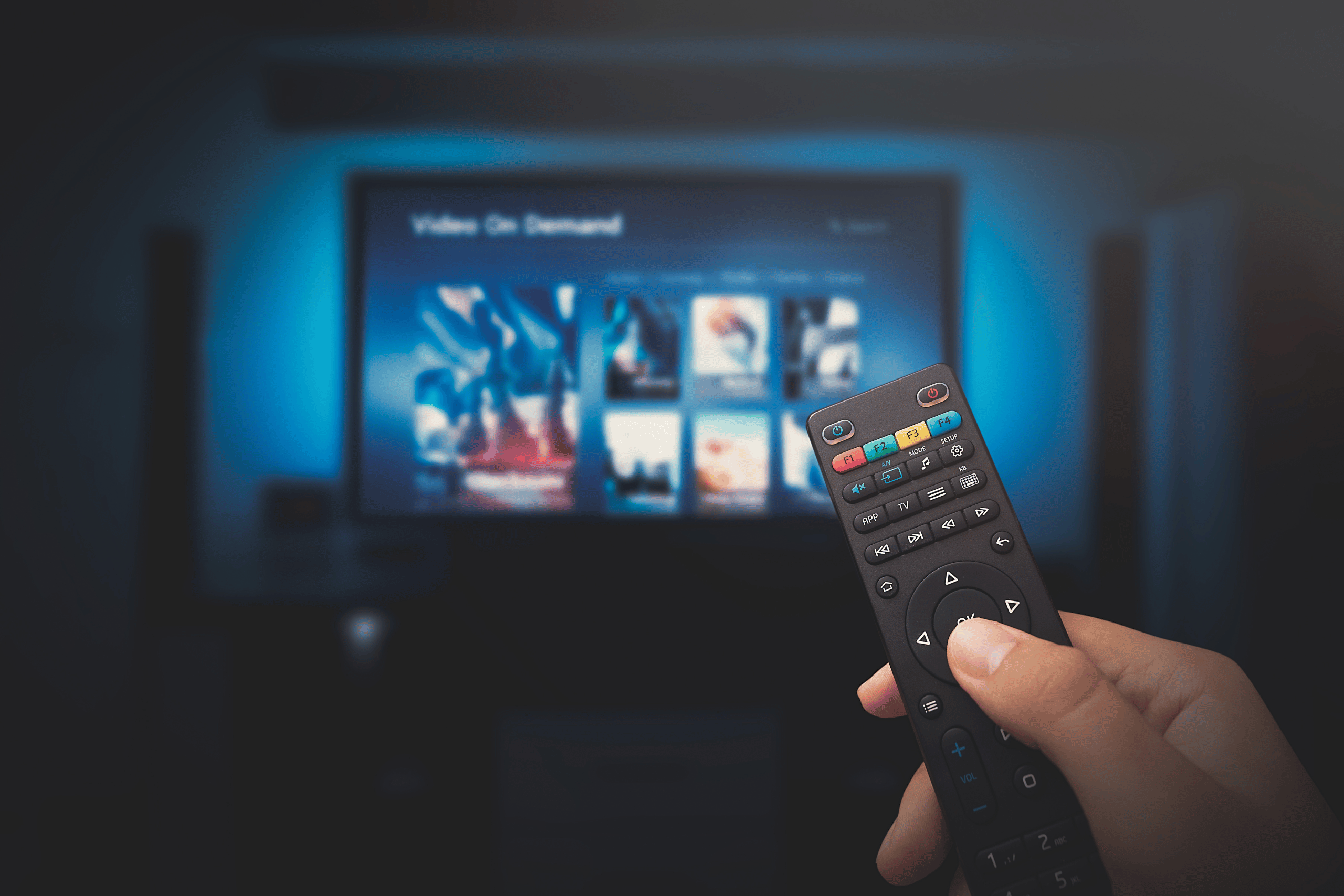
How Streaming Platforms Decide What You Watch
How streaming platforms decide what you watch is one of the most fascinating — and misunderstood — parts of modern technology. Every time Netflix suggests a new series, YouTube queues the next video, or Spotify builds a playlist just for you, there’s a complex system working quietly behind the scenes.
These platforms are not randomly recommending content. Instead, they rely on data, algorithms, and artificial intelligence to predict what you are most likely to enjoy — and keep watching.
The Role of Algorithms in Streaming Platforms
At the heart of how streaming platforms decide what you watch are recommendation algorithms. These algorithms analyze massive amounts of user data to identify patterns and preferences.
Streaming platforms track signals such as:
- What you watch or listen to
- How long you stay on a title
- Whether you finish or abandon content
- Likes, dislikes, and ratings
- Search history and browsing behavior
Netflix explains that its recommendation system exists to help users find something they’ll enjoy quickly, not overwhelm them with endless choices (Netflix Tech Blog).
Personalization: Why No Two Feeds Are the Same
One of the clearest examples of how streaming platforms decide what you watch is personalization. Two people using the same platform at the same time can see completely different recommendations.
That’s because algorithms treat each user as unique. Instead of pushing “popular” content to everyone, platforms prioritize content that matches individual behavior.
For example:
- Someone who watches documentaries may see more factual content
- A user who binges romantic series may receive similar genre suggestions
- Late-night viewers may see different recommendations than daytime users
According to Google, personalization improves user satisfaction and engagement when done responsibly (Google AI Blog).
Machine Learning and Predictive Recommendations
Machine learning plays a major role in how streaming platforms decide what you watch. These systems don’t just react to what you watched yesterday — they predict what you might want next.
Machine learning models continuously update themselves by learning from:
- Viewing patterns across millions of users
- Similar audience behavior
- Content attributes such as genre, actors, pacing, and tone
MIT Technology Review notes that modern recommendation systems are designed to “learn taste at scale,” improving accuracy the more people interact with them (MIT Technology Review).
Content Metadata: More Than Just Genre Tags
Streaming platforms don’t rely on simple categories like “comedy” or “drama” alone. They break content down into detailed metadata.
This includes:
- Mood (dark, light, emotional)
- Story structure
- Character types
- Visual style
- Pace and intensity
Netflix has revealed that it uses thousands of micro-tags to describe content, allowing algorithms to match shows to users more precisely than traditional genres ever could.
This is why two crime shows may appeal to entirely different audiences — and why the algorithm knows which one to recommend to you.
The Power of Watch Time and Engagement
Watch time is one of the strongest signals used in determining recommendations. Finishing a show tells the algorithm that the content resonated with you.
On platforms like YouTube, engagement metrics such as:
- Watch duration
- Replays
- Comments and shares
help shape what appears next. YouTube has stated that its recommendation system prioritizes content users find valuable, not just what gets clicks (YouTube Official Blog).
Trending vs Personalized Content
Another key part of how streaming platforms decide what you watch is balancing trending content with personalized recommendations.
Trending titles help users discover:
- Popular shows
- Cultural moments
- New releases
But platforms rarely rely on trends alone. Instead, they combine trends with personal data to decide whether trending content fits your interests.
This approach prevents feeds from feeling repetitive or irrelevant.
Why Platforms Want You to Keep Watching
From a business perspective, streaming platforms benefit when users stay engaged longer. The longer you watch, the more valuable you are as a subscriber or advertiser.
This doesn’t mean platforms are trying to manipulate users — but they are optimized for:
- Retention
- Satisfaction
- Reduced churn
As explained by Harvard Business Review, recommendation systems are essential for digital platforms competing in attention-driven markets (Harvard Business Review).
Privacy Concerns and Algorithm Transparency
As users learn more about how streaming platforms decide what you watch, concerns around privacy and data usage have grown.
Most major platforms now:
- Offer recommendation controls
- Allow users to reset watch history
- Provide transparency about data usage
Regulators and tech companies are also pushing for more ethical AI practices to ensure personalization doesn’t cross into exploitation.
Can You Influence What Gets Recommended?
Yes — absolutely.
You can influence recommendations by:
- Watching content fully
- Rating shows or songs
- Searching intentionally
- Clearing or managing watch history
Over time, these actions help algorithms better understand your preferences and improve your experience.
Final Thoughts
Understanding how streaming platforms decide what you watch reveals just how deeply technology shapes everyday digital experiences. Algorithms, machine learning, and data analysis work together to deliver content that feels personal, timely, and relevant.
While these systems aren’t perfect, they continue to evolve — aiming to balance discovery, enjoyment, and user control. For viewers, being aware of how recommendations work makes it easier to navigate streaming platforms with intention rather than simply scrolling endlessly.
Read more tech related content here.