White House AI Energy Meeting: Tech Giants Face “Rate Payer Protection Pledge” on March 4
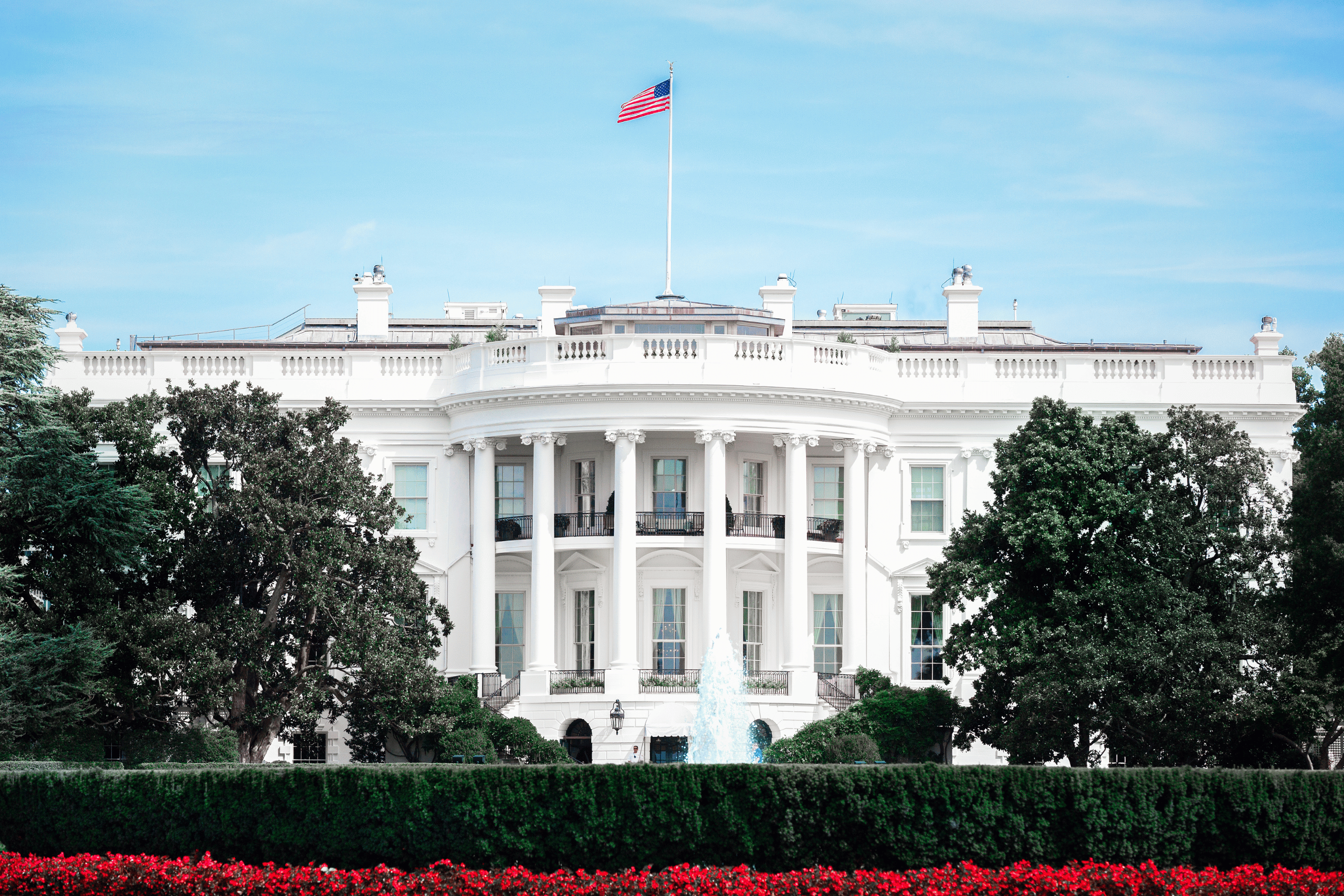
The White House announced it will host leading data center and AI companies on March 4 for a critical meeting addressing one of the industry’s most pressing challenges: the massive electricity demands of AI infrastructure and who should pay for it. The administration is pushing a “Rate Payer Protection Pledge” designed to prevent households and small businesses from bearing the cost of the AI boom.
Why the White House Is Intervening
AI infrastructure is consuming unprecedented amounts of electricity, creating real problems for utility grids across the United States. According to Tech Startups, the White House is framing the AI race as a strategic priority, but local backlash is building in regions where new data centers are colliding with utility constraints and voter anger over higher bills.
The pledge’s core idea is straightforward: tech companies expanding compute capacity should shoulder more of the incremental power costs, rather than passing them on to households and small businesses through utility rate structures.
The meeting comes as AI’s infrastructure buildout enters a phase where energy procurement, grid interconnection queues, and power-price volatility become gating factors alongside chips and talent. Nvidia’s recent $68 billion quarterly revenue underscores the scale of AI demand, but that demand translates directly into electricity consumption measured in gigawatts.
The Energy Reality of AI Infrastructure
Modern AI training clusters can consume as much power as small cities. Meta’s planned $10 billion gas-powered data center in Indiana is designed for 1 gigawatt of compute capacity—enough electricity to power roughly 700,000 homes. Microsoft, Google, Amazon, and other hyperscalers are making similar massive infrastructure commitments.
According to industry reports, the collective AI infrastructure spending approaching $700 billion annually from major tech companies requires corresponding electrical capacity. Utilities weren’t designed for this level of industrial-scale power consumption appearing so rapidly, creating bottlenecks in grid capacity and interconnection timelines.
What the Rate Payer Protection Pledge Likely Includes
While specific details haven’t been publicly released, the pledge framework likely addresses several key points:
Direct Cost Responsibility: Tech companies would commit to paying the full incremental cost of power infrastructure upgrades needed to serve their data centers, rather than socializing those costs across all utility customers.
Grid Impact Mitigation: Companies might agree to invest in grid modernization, battery storage, or demand response capabilities that benefit the broader electrical system.
Renewable Energy Commitments: Pledges to source clean power could reduce the carbon impact while potentially easing strain on fossil fuel generation capacity during peak demand periods.
Transparency Requirements: Public reporting on power consumption, grid payments, and infrastructure investments would help communities understand the true cost and impact of local data center development.
Why This Meeting Matters
The March 4 gathering signals that AI’s next bottleneck isn’t just GPUs—it’s electricity. Washington is moving to make energy accountability a Big Tech issue before political pressure becomes unmanageable.
Voter anger about utility bills influenced by data center growth could become a political liability. Rural and suburban communities that attracted data centers with tax incentives are now facing unexpected consequences: higher electricity rates, strained grids, and questions about whether the economic benefits justify the infrastructure costs.
According to Financial Times reporting, investors are looking for shelter from AI-driven tech volatility by moving into sectors like energy and utilities—areas positioned to benefit from surging electricity demand and data center expansion. This shift reflects market recognition that AI infrastructure represents massive physical buildout with real-world constraints.
Tech Company Perspectives
For hyperscalers, the energy challenge is existential. Without sufficient electrical capacity, even having the latest AI chips from Nvidia doesn’t matter—you can’t run them. Companies are already competing aggressively for power purchase agreements, interconnection slots, and partnerships with utilities and independent power producers.
Google recently locked in geothermal energy for data centers, representing one approach to securing clean, reliable power without straining existing grids. Other companies are exploring nuclear partnerships, building their own generation capacity, or locating facilities near abundant renewable resources.
However, these solutions take years to implement. The immediate challenge is managing growth within existing grid constraints while negotiating fair cost allocation with utilities and regulators.
Utility and Regulator Concerns
Utilities face their own dilemma. Data centers represent enormous, reliable revenue—exactly the kind of customer utilities traditionally love. But serving that demand requires massive capital investment in generation, transmission, and distribution infrastructure.
If utilities spread those costs across all customers, residential and small business rates rise—creating political backlash. If utilities charge data centers the full infrastructure cost, tech companies might locate elsewhere, denying the utility that revenue and leaving local communities without the promised economic benefits.
Regulators must balance promoting economic development (data centers create jobs and tax revenue) with protecting ratepayers from unfair cost burdens. The Rate Payer Protection Pledge attempts to align these interests by making cost allocation explicit and transparent.
What Happens After March 4
The meeting likely produces a framework agreement with general principles rather than legally binding commitments. However, the political signal matters: the administration is watching, public attention is focused, and companies that resist reasonable cost-sharing risk regulatory backlash.
States and localities will likely use any White House framework as leverage in their own negotiations with data center developers. Communities considering data center projects will demand clearer commitments about infrastructure costs, power sourcing, and grid impacts.
For the tech industry, energy strategy is becoming as critical as chip strategy. Companies that secure reliable, affordable, clean power gain competitive advantages. Those that can’t may face growth constraints regardless of their AI capabilities.
The Bigger Picture
The White House AI energy meeting reflects a maturing technology cycle. The experimental phase is over—AI infrastructure is now industrial-scale development with real-world impacts on communities, grids, and household budgets.
Energy procurement, grid interconnection, and power-price volatility are joining chips and talent as limiting factors in AI development. The companies that navigate these challenges successfully—securing power while maintaining social license to operate—will lead the next phase of AI expansion.
For consumers and citizens, the Rate Payer Protection Pledge represents an attempt to ensure the AI revolution doesn’t come with hidden costs buried in monthly utility bills. Whether it succeeds depends on enforcement, transparency, and political will to hold tech companies accountable for their infrastructure impacts.
The March 4 meeting won’t solve every energy challenge facing AI development, but it marks an important inflection point: recognition that AI’s growth must be sustainable, fair, and transparent about who pays the bills.
Read more tech related articles here.