AI Search Optimization: How to Stay Visible Now That Google Keeps the Clicks
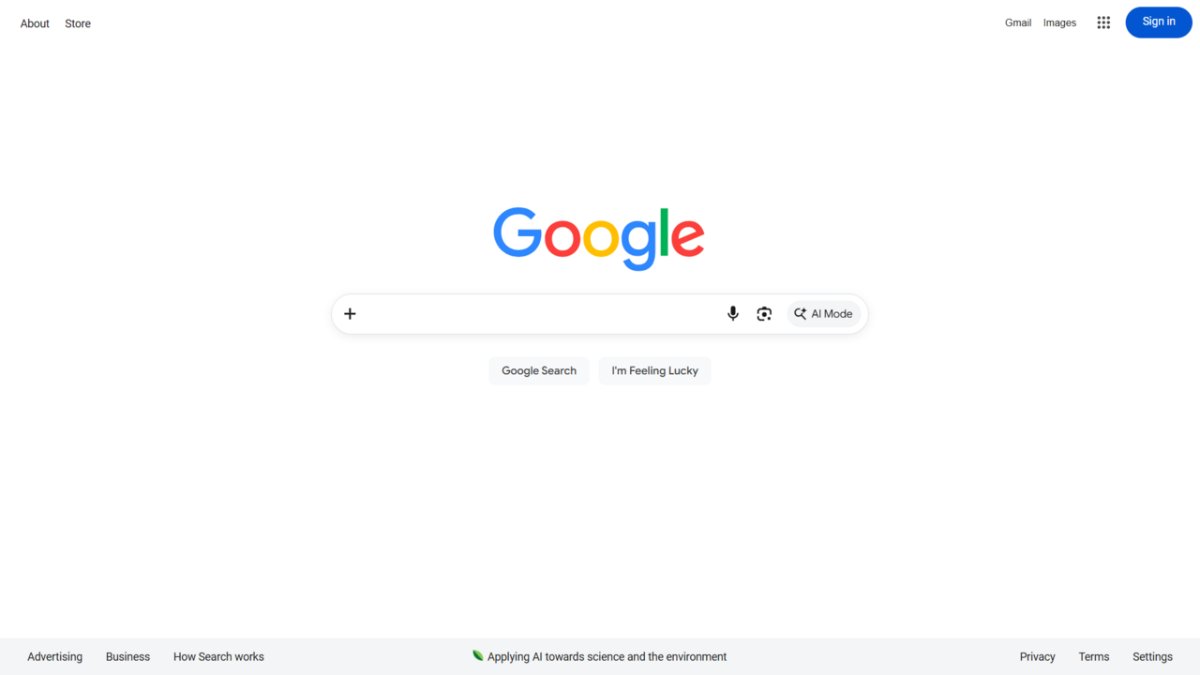
For twenty years, ranking #1 on Google was the finish line. Get there, and the traffic followed. That deal is quietly falling apart. Google now answers most questions itself, right there in the search results, and increasingly people never click through to find out who actually wrote the answer. The numbers are blunt about it. According to updated research from Ahrefs, when an AI Overview appears above a #1-ranking page, the click-through rate for that page drops by 58% compared to what it would have earned without one — up from a 34.5% drop measured just a year earlier. Ahrefs didn’t just find this drop for AI Overview keywords, either — CTR for plain informational searches fell from 7.6% to 3.9% over the same two-year stretch, meaning even non-AI results are getting starved of clicks as zero-click search becomes the default. That’s why AI search optimization has quickly gone from a buzzword to a budget line item for anyone whose business depends on organic traffic.
Why Ranking #1 Isn’t Enough Anymore
Here’s the uncomfortable part: ranking first on Google used to more or less guarantee you’d get cited if an AI Overview showed up. That’s no longer reliable either. Semrush’s research, detailed in its own guide to AI search optimization, found that only around 12% of ChatGPT citations actually matched a URL sitting on Google’s first page. Google’s AI Overviews now show up on roughly 88% of informational queries, and they cite the top 10 organic results only about 86% of the time — which sounds high until you remember that means 14% of the time, a page ranking on page one gets skipped entirely in favor of something the model trusts more.
In short, the AI models deciding what to cite aren’t just re-running Google’s ranking algorithm. They’re evaluating content on different terms.
What AI Search Optimization Actually Rewards
This emerging discipline — sometimes called generative engine optimization, or GEO — overlaps heavily with traditional SEO but shifts the emphasis in a few important ways. Instead of chasing backlinks and keyword density alone, AI systems are looking for content that’s easy to lift cleanly out of a page and drop into a generated answer.
Structure Your Content to Be Extracted, Not Just Read
Large language models don’t read a page top to bottom the way a person does — they extract chunks. Semrush’s research recommends leading each section with a direct, 40-to-60-word answer before adding supporting detail, formatting headers as the actual questions people type into search bars, and using semantic HTML (proper <h2> tags, bullet lists, bolded key terms) so the structure itself signals what matters.
Make Your Content Genuinely Citable
Named authors, original data, expert quotes, and real case studies all send stronger trust signals to AI models than generic, unattributed advice. Google has said outright that content with clear authorship and full crawlability is more likely to surface in AI Overviews — the same E-E-A-T signals that mattered for classic SEO still apply, just with less tolerance for filler.
Earn Mentions, Not Just Links
This is where things get interesting for smaller brands. AI models weigh co-occurrence — how often your brand shows up near a relevant topic across the web — not just direct backlinks. That means a mention in a niche newsletter, an answer on a forum, or a comparison thread can move the needle even without a traditional link attached.
Why Reddit Is Suddenly an SEO Battleground
That shift toward mentions-over-links helps explain a trend The Verge recently reported on: AI-powered search has made Reddit threads unusually valuable real estate, since AI Overviews and chatbots lean heavily on Reddit discussions as a trusted, “real people” source. That’s drawn a wave of brands and marketers quietly seeding posts and comments to get their products mentioned — enough that subreddit moderators are now actively policing for AI-SEO spam dressed up as organic recommendations.
The takeaway for legitimate businesses isn’t to game Reddit — moderators are getting better at spotting that fast — but to recognize that community platforms, review sites, and forums now carry SEO weight they never had before, simply because AI models treat them as more trustworthy than brand-published marketing copy.
A Practical Starting Checklist
- Rewrite key pages so each H2/H3 answers a real question in the first sentence, not the third paragraph.
- Add FAQ, HowTo, or Article schema markup where it fits naturally — it costs little and helps AI systems parse intent.
- Update your highest-traffic pages on a regular cadence; stale content is quietly losing citations to fresher competitors.
- Diversify beyond your own domain — guest posts, credible forum answers, and digital PR now double as AI-visibility plays, not just backlink plays.
- Check your robots.txt and consider an llms.txt file so you’re not accidentally blocking the crawlers deciding whether to cite you.
The Bottom Line
Nobody’s suggesting SEO is dead — it’s the foundation AI search optimization still builds on, since AI crawlers still need to find your content before they can cite it. But treating a #1 ranking as the whole game is now a losing strategy. The businesses adapting fastest are the ones writing for extraction, not just for ranking, and showing up in the conversations happening off their own website, not just on it.
Read more tech related content here.