
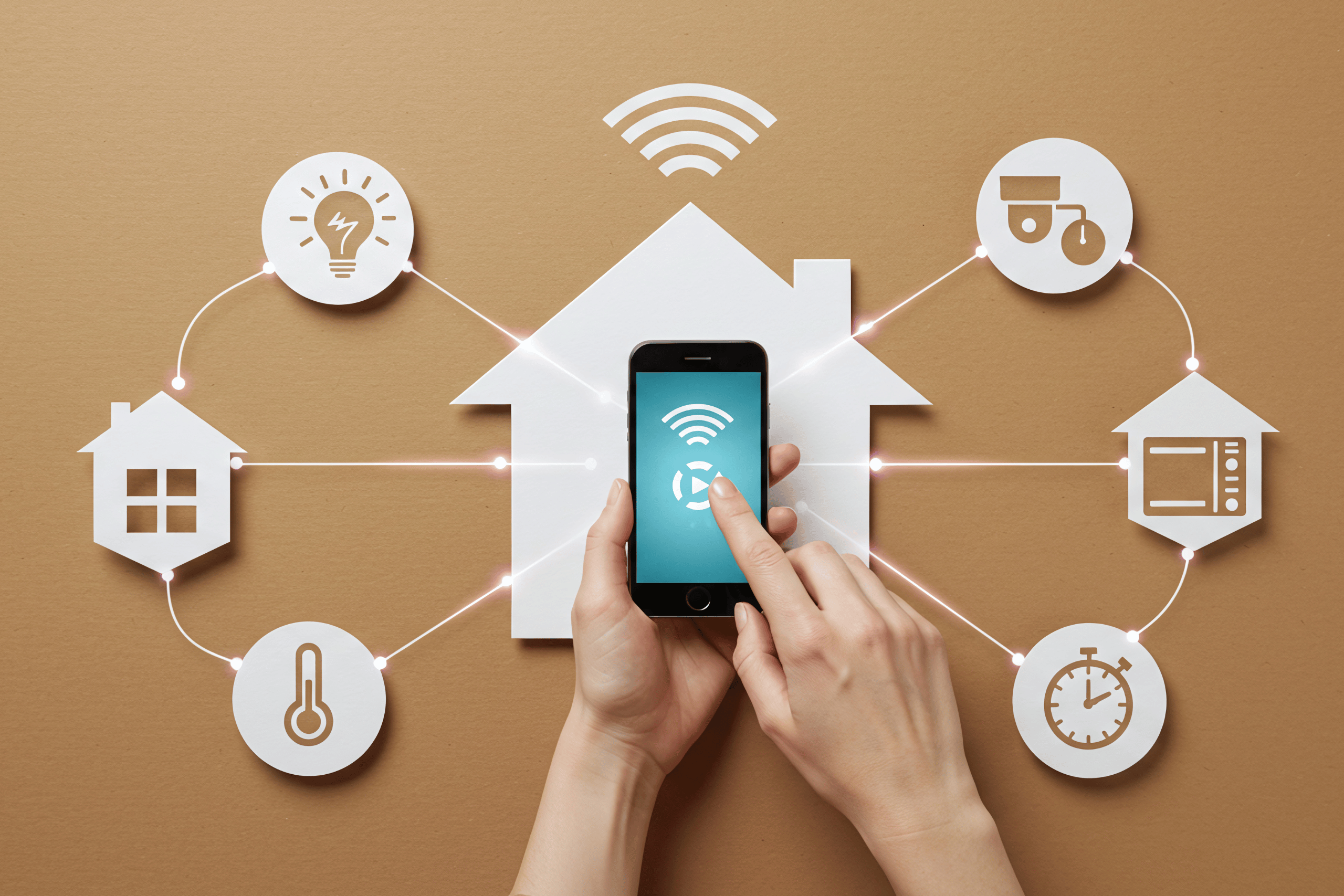
Imagine walking into your house after a long day, and the lights gently brighten to your preferred setting, your favorite playlist starts softly in the background, and the thermostat adjusts to the perfect temperature — all without lifting a finger. This is not a scene from a science fiction movie; it’s the very real present and promising future of smart homes powered by Artificial Intelligence (AI).
What Are Smart Homes?
At its core, a smart home refers to a residence equipped with devices and systems that automate tasks normally handled by humans. These include lighting, heating, security, entertainment systems, and even appliances. When AI is integrated, these devices evolve from simple control systems into adaptive environments that learn from your habits and make intelligent decisions on your behalf.
How AI is Revolutionizing Daily Living
AI brings intelligence to smart homes by analyzing data, predicting needs, and automating complex tasks. Here’s how it’s reshaping our everyday lives:
- Personalized Comfort: AI algorithms learn your preferences over time — when you wake, what temperature you like, and how you light your rooms. It then automates these settings without manual input.
- Energy Efficiency: Smart thermostats and lighting systems powered by AI help reduce energy consumption by adjusting usage based on your routines and real-time factors like the weather.
- Improved Security: AI-enhanced security systems can distinguish between familiar and unfamiliar faces using facial recognition and notify you immediately of suspicious activity.
- Healthcare Monitoring: For seniors or individuals with medical conditions, AI-powered systems can monitor vital signs, detect anomalies, and even alert caregivers or medical professionals when needed.
- Simplified Daily Tasks: Voice assistants like Amazon Alexa and Google Assistant can schedule meetings, order groceries, or control connected appliances — simply using natural language.
Smart Appliances: The Next Frontier
Appliances are becoming smarter and more intuitive thanks to AI. Examples include:
- AI-Powered Refrigerators: These can track expiration dates, suggest recipes based on available ingredients, and even place grocery orders for you.
- Robotic Vacuum Cleaners: With AI and spatial sensors, they learn the layout of your home, avoid obstacles, and optimize cleaning routes over time.
- Smart Ovens: Equipped with image recognition and temperature sensors, they can detect when food is cooked perfectly, preventing burnt meals.
Challenges to Consider
While the possibilities are exciting, it’s important to navigate the future of smart living with awareness. Here are a few points to keep in mind:
- Privacy and Security: Always ensure that your smart devices are protected with strong passwords and updated firmware. Consider choosing products from reputable manufacturers with a strong data privacy policy.
- Compatibility: Some systems may not communicate well together. Opt for platforms that support interoperability to avoid fragmentation.
- Learning Curve: As smart homes become more complex, users may need time to understand and maximize their benefits. Look for intuitive user interfaces and responsive customer support when shopping for devices.
What Industry Experts Say
According to the Consumer Technology Association, over 69% of U.S. households already own at least one smart home device. Industry experts predict continued growth as AI becomes both more affordable and user-friendly. Dr. Rachel Lin, a home automation researcher, notes, “The real magic happens when AI isn’t just responding to commands — it’s anticipating needs and creating an environment that supports your lifestyle in meaningful ways.”
Looking Ahead: The Connected Future
As AI continues to evolve, expect even greater personalization, efficiency, and interconnectivity.
- Predictive Maintenance: Devices will alert you before they malfunction, helping prevent costly repairs.
- Environmental Control: Smart homes will monitor air quality, humidity, and light levels, adapting spaces for health and comfort.
- Universal Accessibility: AI will help make homes more accessible for people living with disabilities, offering custom control interfaces and adaptive features.
Final Thoughts
Smart homes powered by AI are more than a futuristic convenience — they’re transforming how we live, work, and care for ourselves and others. By blending technology with thoughtful design, AI offers us a future where our homes don’t just shelter us, they actively support us.
Whether you’re just beginning to explore smart devices or you’re a seasoned tech enthusiast, the AI-powered smart home is becoming an accessible, dynamic, and truly exciting part of modern living.
Read more tech related articles here.





Leave a Reply