Anthropic Launches Claude Sonnet 5: Cheaper AI Agents for Everyone
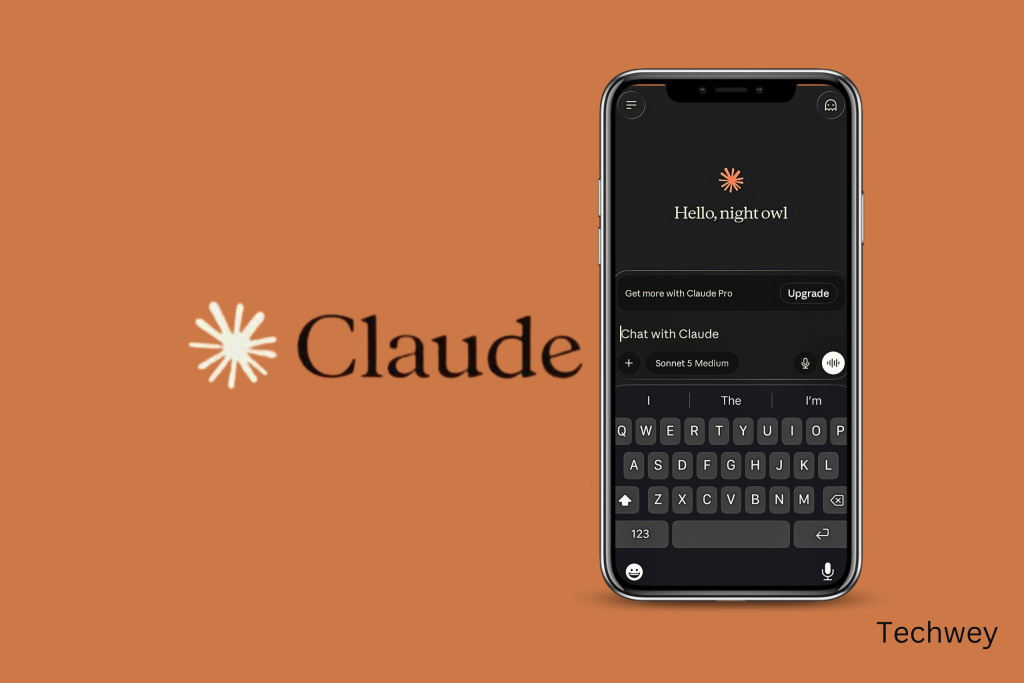
Claude Sonnet 5 is here, and Anthropic is positioning it as the model that makes powerful AI agents affordable. Launched on June 30, 2026, Sonnet 5 is the latest midsize model in Anthropic’s lineup, and it arrives at a moment when every major AI lab is racing to make agentic AI — software that plans, acts, and completes tasks autonomously — the new standard.
The launch is significant not just because of what the model can do, but because of what it costs to run. Anthropic is pitching Sonnet 5 as near-Opus-level performance at a price that makes it practical to deploy at scale.
What Claude Sonnet 5 Can Do
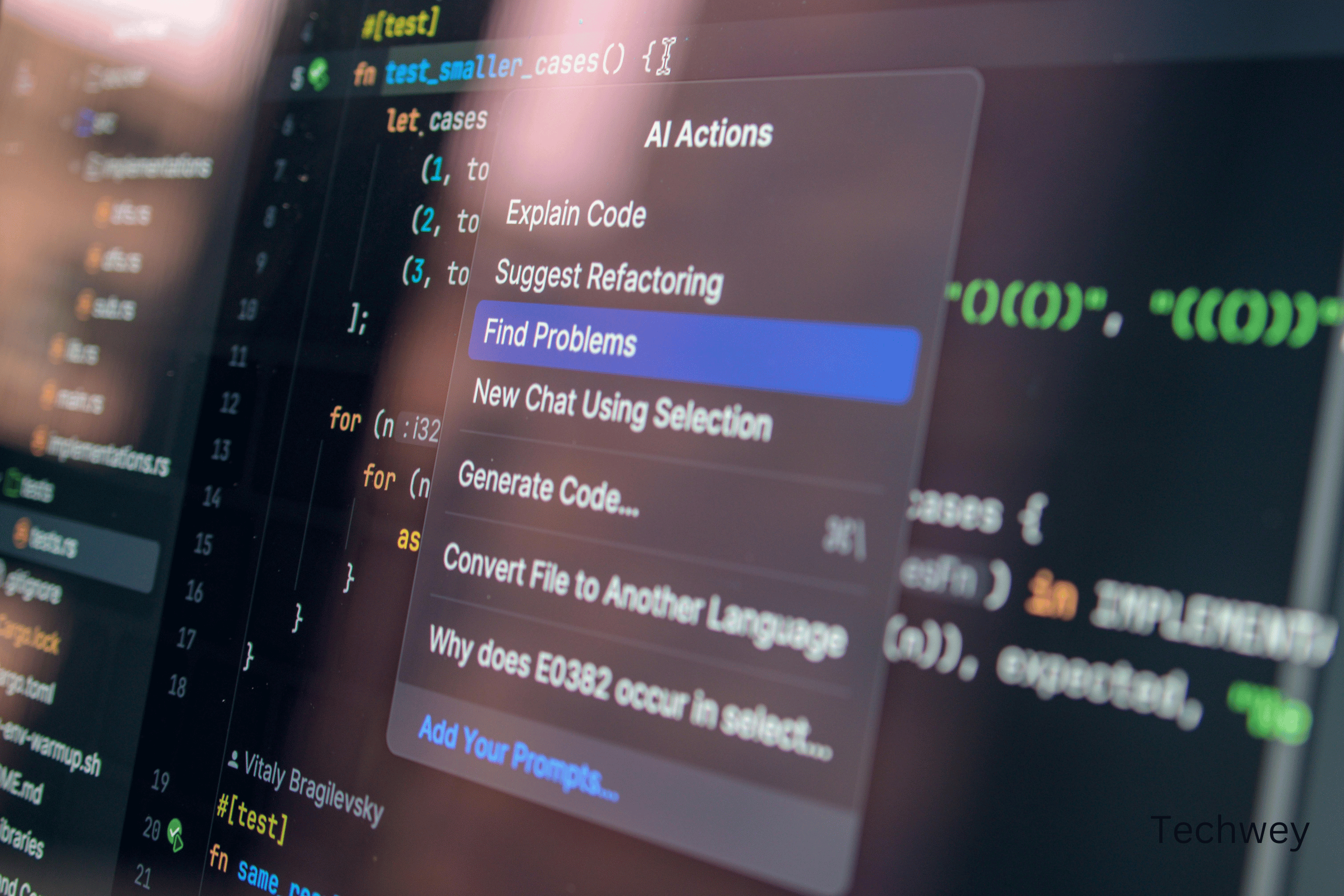
According to Anthropic, Sonnet 5 can “make plans, use tools like browsers and terminals, and run autonomously at a level that, just a few months ago, required larger and more expensive models.” That is a notable claim — it means the capabilities once reserved for top-tier models are now available at mid-tier pricing.
In practical terms, Sonnet 5 can handle multi-step tasks without constant human prompting. It can browse the web, write and run code, manage files, and complete complex workflows end to end. On agentic coding benchmarks, it scores 63.2%, compared to Opus 4.8’s 69.2% and its predecessor Sonnet 4.6’s 58.1%. That is a meaningful jump over the previous generation.
On knowledge work benchmarks, Sonnet 5 actually slightly outperforms Opus 4.8, which has long been Anthropic’s flagship for tasks requiring deep research and careful judgment. That result will turn heads.
Zapier senior engineer Daniel Shepard tested the model and described a real-world outcome: “We handed Claude Sonnet 5 a two-part job — update Salesforce account tiers, send a launch announcement to enterprise contacts — and it finished end to end. That used to stall halfway. For day-to-day automation, it’s a no-brainer.”
Claude Sonnet 5 Pricing: The Key Numbers
Pricing is where Sonnet 5 becomes a genuinely competitive offer for developers and businesses.
From launch through August 31, 2026, Sonnet 5 is priced at $2 per million input tokens and $10 per million output tokens via the API. After August 31, the price shifts to $3 per million input tokens and $15 per million output tokens.
At those rates, Sonnet 5 is cheaper than Anthropic’s own Opus 4.8, cheaper than OpenAI’s GPT-5.5, and cheaper than Google’s Gemini 3.1 Pro. It is more expensive than Google’s Gemini 3.5 Flash, which remains the budget option in this tier of the market.
For anyone running agents at scale — where token costs compound quickly — this pricing matters a lot. The difference between Sonnet-level and Opus-level costs can be the difference between a financially viable product and one that bleeds money on every API call.
Sonnet 5 is also now the default model for both free and paid Claude Pro plans, making it the primary experience for the vast majority of Anthropic’s users.
Safety and Reliability Improvements
Anthropic has built a reputation for prioritizing safety in its model development, and Sonnet 5 reflects that. The model shows a lower rate of what Anthropic calls “undesirable behaviors” — including cooperation with misuse attempts and deceptive responses — compared to Sonnet 4.6.
It is also better at resisting prompt injection attacks, which are a real concern in agentic settings where the model may be processing input from third-party sources that could contain malicious instructions. Hallucination rates are down, and the model is less likely to tell users what they want to hear rather than what is accurate.
Fabian Hedin, co-founder of Lovable, put it plainly in a statement: “A model that knows when to say no is just as important as one that knows how to build.”
That said, Anthropic is clear that Sonnet 5 is not on the same safety level as Opus 4.8 or Claude Mythos Preview. It has reduced ability to perform dangerous cybersecurity tasks compared to Opus models, which is intentional — Anthropic is trying to build a mid-tier model that is both capable and controllable.
How It Fits Into the Competitive Landscape
The launch of Claude Sonnet 5 comes in the same week as OpenAI‘s GPT-5.6 Sol preview rollout and follows Google’s May 2026 launch of Gemini 3.5 Flash. All three companies are making the same argument: agentic capability is now the baseline, and the competition is about who delivers it most reliably and affordably.
The race to make agents affordable is good news for developers. When Opus-level intelligence is available at Sonnet-level pricing, it opens up a much wider range of use cases — from startups building automation tools to enterprises deploying AI across entire departments.
Anthropic is betting that Sonnet 5 will be the model that wins those mid-market deployments, where Opus 4.8 is too expensive to run at volume but Sonnet 4.6 was not quite capable enough for complex tasks.
Final Thoughts
Claude Sonnet 5 is a genuinely strong release. The combination of near-flagship performance, improved safety, and competitive pricing makes it a compelling option for anyone building or using AI-powered applications.
Whether you are a developer evaluating models for an agent pipeline or a pro user deciding which AI subscription is worth paying for, Sonnet 5 deserves a close look. It arrives at the right time — when the market is ready for capable, affordable agents — and it delivers on both fronts.
Read more tech related articles here.