IPL and Laser Hair Removal: What You Need to Know
If you are thinking about permanent hair reduction, you have two main options: IPL (Intense Pulsed Light) and laser. Both use light energy to disable hair follicles. Both work. But they use different approaches to get there, and understanding those differences matters, especially now that effective consumer devices are available for home use.
This is not a beauty review. This is a clear comparison of two competing light-based technologies and what the differences mean for real-world results.
How Laser Hair Removal Works
Laser devices shoot a single, precise wavelength of light. The most common types used in clinics are:
- Alexandrite laser (755nm): Best for light to olive skin tones. Fast pulse rate, good for large areas.
- Diode laser (810nm): Works across a broader range of skin tones. The most versatile clinical laser.
- Nd:YAG laser (1064nm): The safest option for darker skin tones because the longer wavelength goes past the melanin in the top layer of skin.
Here is how it works in plain terms: the laser targets melanin (the dark pigment) in the hair shaft. The melanin absorbs the light, converts it to heat, and that heat damages the follicle so it can not produce new hair. Because the laser uses only one wavelength, the energy is highly focused and can be dialed in precisely.
Clinical laser devices run at high power levels, typically 10 to 40 joules per square centimeter. That is why they produce faster results but also need a trained operator to avoid burns.
How IPL Works
IPL devices put out a broad range of light wavelengths, typically from about 500nm to 1200nm, rather than a single one. Filters cut out the wavelengths you do not want and keep the range most effective for hair removal (usually 590 to 1200nm).
The upside of using a range of wavelengths is that it covers a wider treatment window and can work across different hair colors and skin tones. The trade-off is that because the energy is spread across multiple wavelengths, the peak power at any single wavelength is lower than a laser. That means IPL generally needs more sessions to get similar results.
But here is the important part for consumers: IPL technology has gotten dramatically better. Modern IPL devices with good energy output can achieve 70 to 90% permanent hair reduction over 8 to 12 sessions, which is right in line with clinical laser results. The FDA classifies effective IPL devices as providing “permanent hair reduction,” the same category as lasers.
The Specs That Actually Matter
When you are comparing devices, whether laser or IPL, these are the numbers that determine whether they actually work:
- Energy output: Measured in joules per square centimeter. Higher is not always better. Too much energy burns you. Too little does nothing. Consumer IPL devices typically run at 3 to 6 J/cm2, while clinical lasers run at 10 to 40 J/cm2. The lower consumer power is why home devices need more sessions but are safe to use without supervision.
- Pulse duration: How long each flash of light lasts, measured in milliseconds. Shorter pulses target the hair follicle more precisely. Longer pulses spread heat to surrounding tissue, which is less efficient but can be safer for darker skin.
- Flash count: Consumer IPL devices have a set number of flashes before the lamp wears out or the device stops working. Budget devices might give you 200,000 to 300,000 flashes. Better devices offer 500,000 or more. Top-tier devices like the SkinTekie IPL Hair Removal Device offer 999,999 flashes, which is basically a lifetime supply. That removes the hidden cost of replacing lamps or buying a new device.
- Skin tone range: This is critical for safety. Devices that only work on skin tones I to IV (very light to medium) will burn or be ineffective on darker skin. Look for devices rated for Fitzpatrick skin tones I to VI for the widest compatibility.
- Energy levels: More adjustable levels means more control. A device with 5 energy levels lets you go lighter on sensitive areas (face, bikini line) and stronger on less sensitive areas (legs, arms).
Cost Comparison: Professional vs At-Home
This is where the numbers get really compelling.
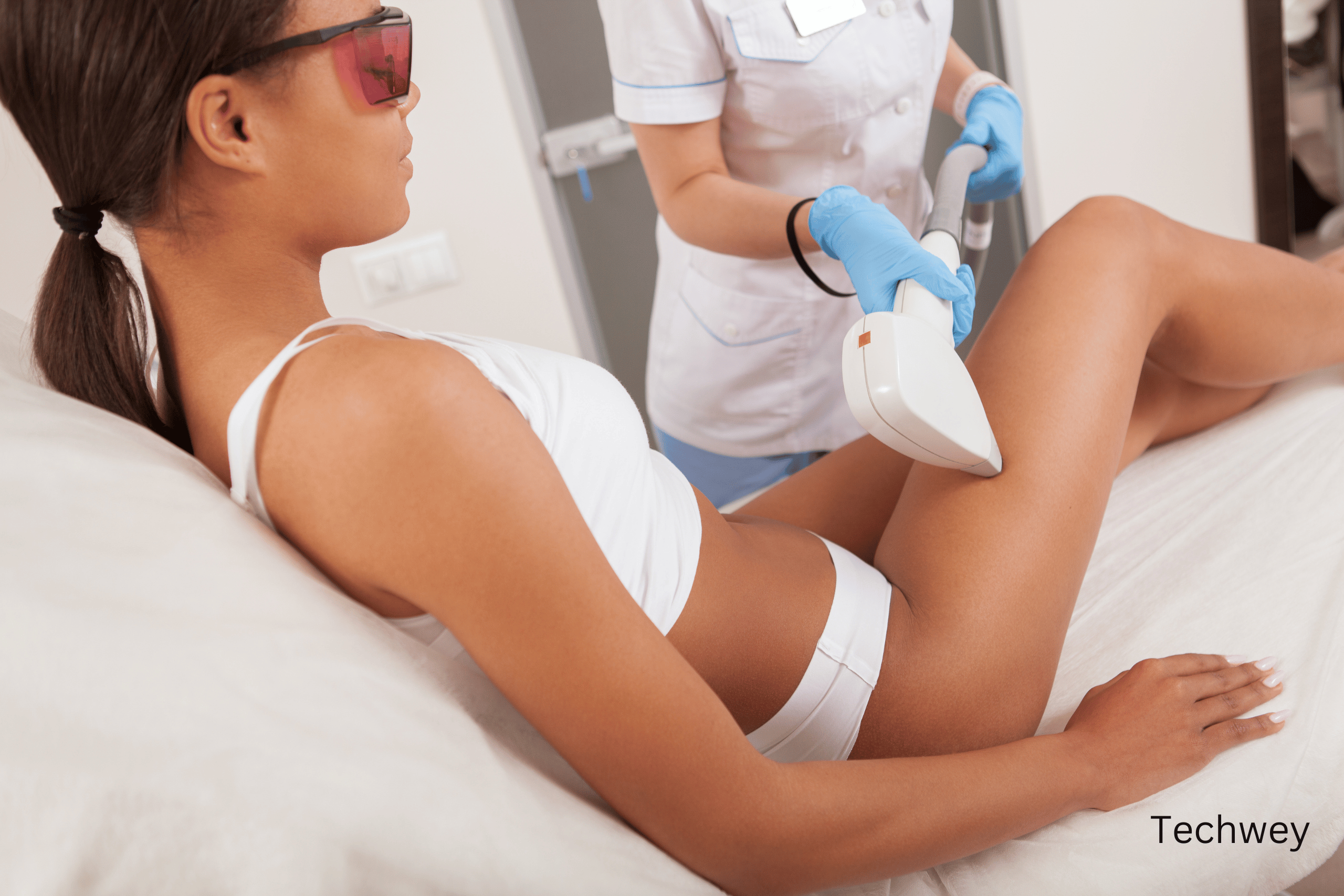
Professional laser hair removal costs $200 to $400 per session, and most people need 6 to 8 sessions per treatment area. Full-body treatment can easily run $3,000 to $5,000. And because hair grows in cycles, you will probably need annual touch-up sessions on top of that.
A quality consumer IPL device costs $150 to $400 as a one-time purchase and gives you unlimited treatments. Even at the higher end, you break even after just two professional sessions.
The trade-off is time. Professional treatments are faster per session (more power means fewer pulses needed) and are done by trained technicians. Home IPL takes more sessions and you are responsible for your own technique. But for most people treating common areas like legs, underarms, bikini line, and facial hair, consumer IPL devices have reached a point where the results justify the approach.
Corded vs Cordless: It Matters More Than You Think
This is a spec that tech reviewers tend to skip over but real users care about a lot. Corded IPL devices keep you tied to an outlet, which makes treating areas like the back of your legs or arms really awkward. Cordless devices let you move freely and can be used anywhere.
The trade-off used to be that cordless devices had weaker power because of battery limits. That gap has closed. Modern cordless IPL devices maintain solid energy levels while being way easier to actually use. If you are choosing between two devices with similar specs, go cordless.
The Verdict
For clinical settings where speed and maximum power matter, laser wins on raw effectiveness per session. For home use, IPL has reached a level of performance that makes it the practical choice for most people, especially given the 10x cost advantage and the convenience of treating on your own schedule.
The technology has matured to the point where the real differences come down to build quality, flash count, how many energy levels you get, and skin tone compatibility. It is not about whether the technology “works” anymore. It does. The question is just which device delivers it most effectively for your specific needs.
Techwey reviews consumer technology based on technical specifications and independent analysis.