
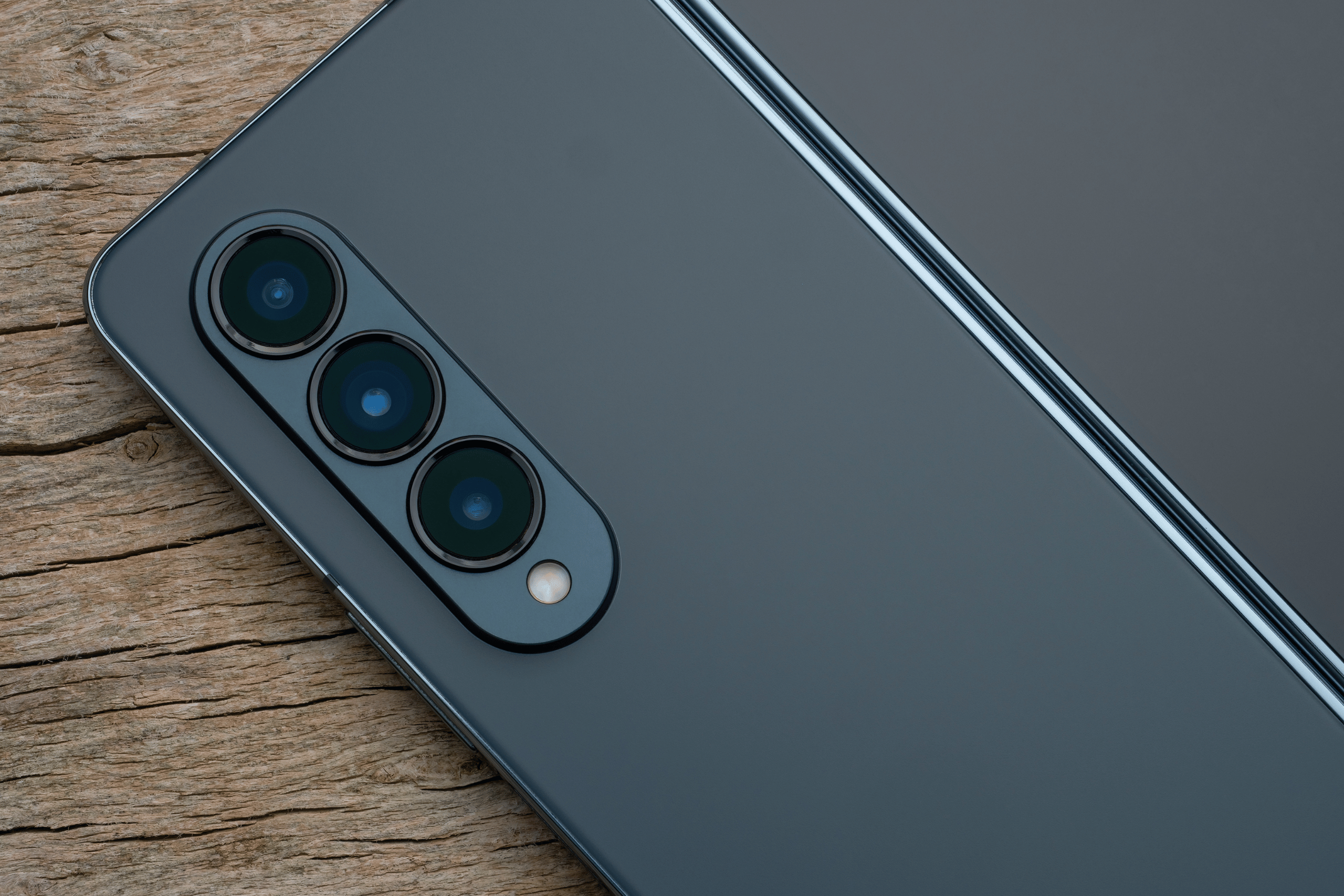
Samsung Creaseless Folding Display: iPhone Fold Gets It First
The holy grail of foldable smartphones just became reality. At CES 2026, the Samsung creaseless folding display was unveiled—a revolutionary OLED panel that remains perfectly smooth when unfolded, eliminating the crease that has plagued foldables since their debut. The catch? Apple’s rumored iPhone Fold will likely be the first device to feature this technology, not Samsung’s own Galaxy lineup.
This ironic twist highlights the complex relationship between display manufacturers and smartphone brands, where innovation doesn’t always reach the inventor’s products first.
The Crease Problem Nobody Could Solve
Every foldable smartphone from the original Galaxy Fold to today’s latest models shares one unmistakable characteristic: a visible, tactile crease running down the center where the screen folds. Users adapt to this imperfection, but it remains a constant reminder that foldable technology hasn’t fully matured.
The crease exists because flexible OLED panels must bend at a tight radius repeatedly without breaking. Current display technology requires ultra-thin glass or specialized plastic layers that inevitably create stress points at the fold. Over thousands of open-close cycles, these stress points become more pronounced.
Samsung engineers have gradually reduced crease visibility through improved hinge design and better materials. The Galaxy Z Fold 6 features less obvious creases than first-generation foldables, but the issue persisted—until now.
How the Technology Works
While Samsung Display hasn’t revealed complete technical specifications, the demonstration at CES 2026 showed a folding panel that appears completely flat when opened. No visible line, no tactile bump, no distortion—just a seamless display surface indistinguishable from traditional smartphone screens.
Industry observers suggest several possible breakthroughs:
- Advanced ultra-thin glass that bends more flexibly without stress concentration
- Improved hinge mechanisms distributing force more evenly across the fold area
- New adhesive layers preventing display components from separating at the crease
- Optimized display stack design reducing internal stress through better materials
The demonstration unit reportedly withstood thousands of fold cycles during testing without developing visible creasing, suggesting the technology is production-ready rather than a distant research concept.
Why Apple Gets It First
Here’s where the story gets interesting: Samsung Display and Samsung Electronics are separate entities. Samsung Display manufactures screens for numerous smartphone brands, including Apple. When Apple needs cutting-edge display technology, it often purchases from Samsung Display—its biggest competitor’s sister company.
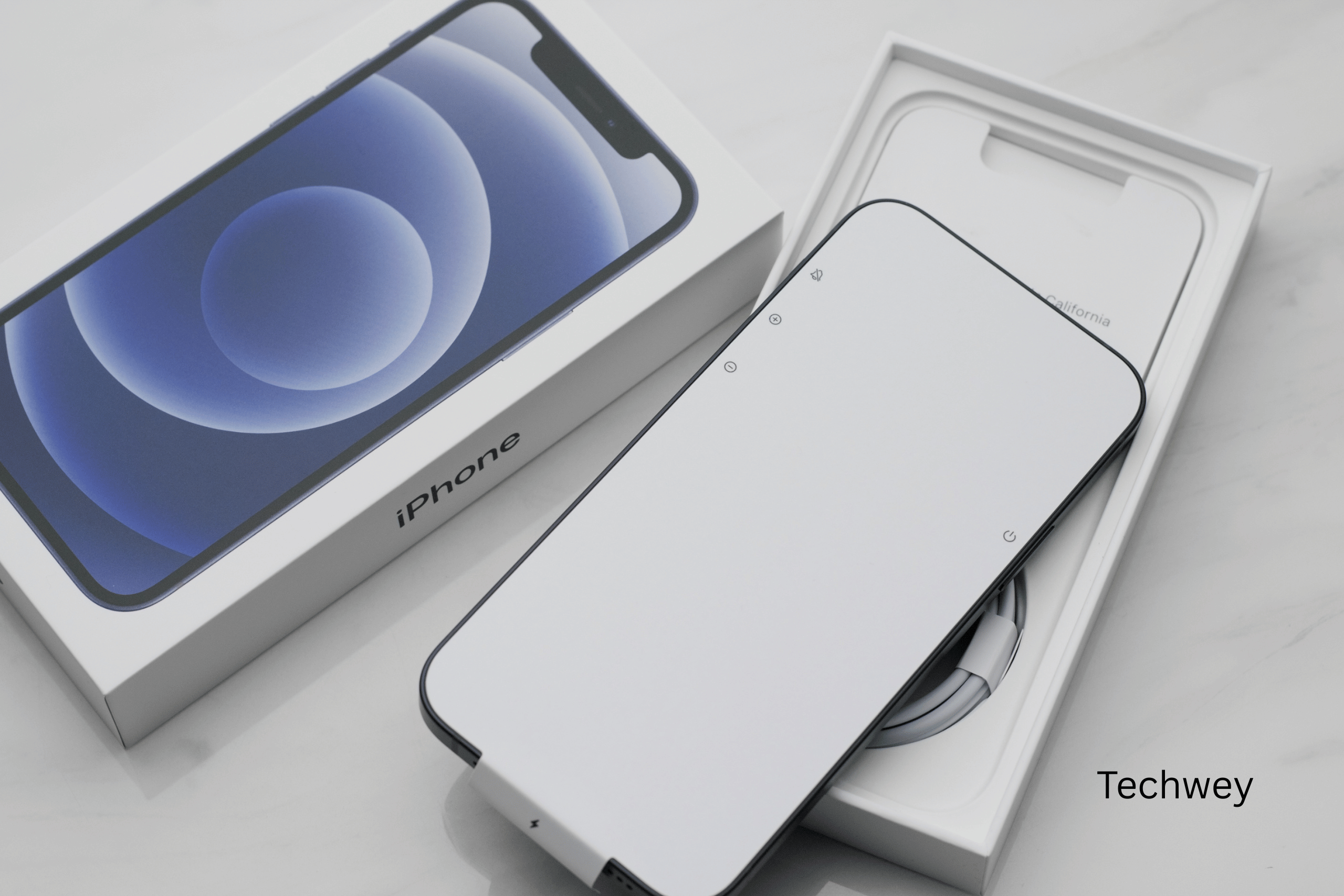
Multiple sources familiar with Apple’s supply chain indicate the company has secured exclusive or priority access to this new folding screen technology for the rumored iPhone Fold, expected to launch later in 2026.
This arrangement makes economic sense for both parties. For Samsung Display, Apple represents massive revenue—hundreds of millions of OLED panels annually. For Apple, launching the iPhone Fold with technology Samsung’s own phones don’t have yet creates compelling differentiation.
The deal structure likely includes an exclusivity window—perhaps 3-6 months—before Samsung Display can supply the panels to other customers, including Samsung Electronics for the Galaxy Z series.
What This Means for the Foldable Market
Before Android enthusiasts despair, this development might actually benefit the broader foldable ecosystem. TechRadar suggests that seeing this technology debut on an expensive iPhone Fold could accelerate adoption across the industry.
Market expansion: Apple’s entry legitimizes foldables to millions of consumers who dismissed them as experimental. A larger overall market benefits all manufacturers through increased component supply and software optimization.
Accelerated adoption: If Apple validates the new display tech in a mainstream product, other manufacturers will prioritize it rather than treating it as experimental.
Price normalization: The iPhone Fold will likely launch at $1,799 or higher. By the time Samsung, Google, and OnePlus adopt the technology 6-12 months later, manufacturing scale and competition will have reduced costs.
Refined manufacturing: Apple’s demanding quality standards mean Samsung Display will perfect production processes before broader rollout. Early iPhone Fold adopters essentially beta test the technology.
Price Expectations and Timeline
This breakthrough won’t come cheap initially. Industry analysts estimate the iPhone Fold could start at $1,799-$1,999, positioning it as Apple’s most expensive phone ever.
For perspective, Samsung’s current Galaxy Z Fold 6 starts at $1,899, and it has a crease. A version without one would likely command similar or higher pricing.
Rumored iPhone Fold launch timing points to fall 2026, though Apple delays products regularly. Android foldables with the new display would likely arrive in early 2027, following any Apple exclusivity period.
What to Watch For
Several key developments will determine how quickly this technology reaches mass market:
Display durability: Long-term testing will reveal whether the design maintains its smoothness after 100,000+ fold cycles—the typical lifespan expectation for foldable phones.
Manufacturing scale: How quickly Samsung Display expands production capacity determines when other manufacturers can access the technology.
Software optimization: Foldable phones require extensive software tuning. Apple’s iOS team must develop new interface paradigms for folding devices while maintaining the company’s usability standards.
Competitor response: Will other display makers like BOE and LG Display develop competing technologies?
For enthusiasts considering foldable purchases in 2026, the decision hinges on priorities. Early iPhone Fold adopters will pay premium prices for cutting-edge technology. Patient consumers waiting for Android implementations will likely get better value 6-12 months later.
The Bottom Line
The Samsung creaseless folding display represents seven years of iterative development reaching fruition. That Apple will likely debut this breakthrough on the iPhone Fold rather than Samsung’s own devices is an ironic twist that actually benefits consumers by accelerating adoption timelines and driving competitive pressure.
This technology is more than a spec improvement—it’s the maturation of a category that has promised to revolutionize smartphones since 2019. With Apple’s entry imminent and manufacturing technology finally catching up to ambition, 2026 might be remembered as the year foldables went mainstream.
The next 12 months will reveal whether eliminating the crease finally convinces mainstream consumers that foldable smartphones are ready for widespread adoption.
What do you think about this technology going to Apple first? Would you pay $1,800+ for the iPhone Fold, or wait for more affordable Android alternatives?




Leave a Reply