Samsung Software Updates February 2026: Galaxy S22, Pixel Security Patches & Android 16 News
February 2026 brings a wave of significant Samsung software updates and changes across the tech landscape. From Samsung’s major modifications to its update schedule to Google Pixel’s latest enhancements, here’s everything tech enthusiasts need to know about this month’s Samsung software updates and what they mean for your devices.
Samsung Shakes Up Its Software Update Roadmap
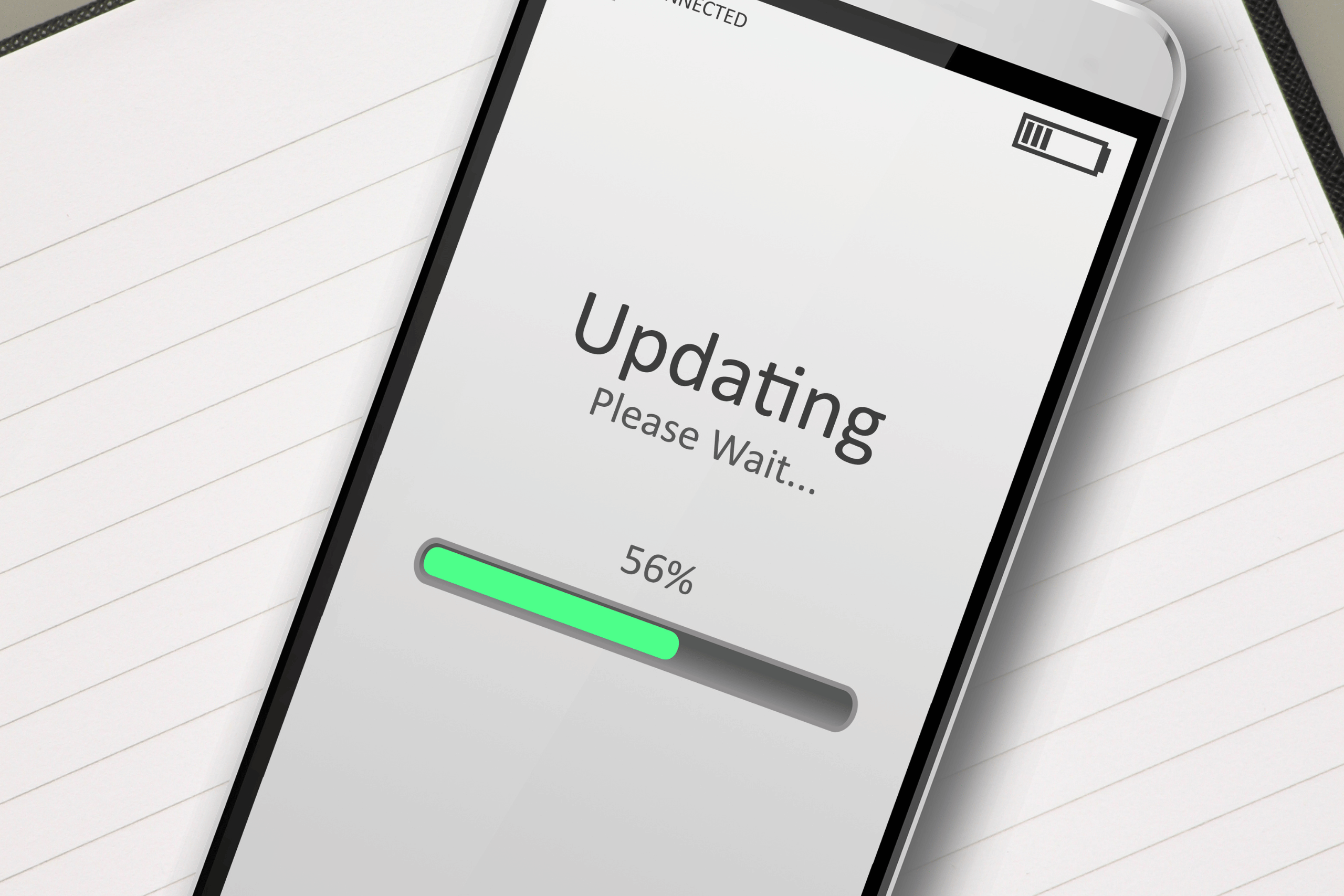
Samsung made headlines this month with substantial changes to its software update policy. The company released its February 2026 security patch alongside a revamped software roadmap that affects millions of devices worldwide.
The most significant change? The Galaxy S21 series has officially reached the end of its software support lifecycle. According to reports from Android Authority and 9to5Google, devices in this lineup will no longer receive security patches or feature updates, marking the end of support for Samsung’s 2021 flagship phones.
Meanwhile, the Galaxy S22 series faces a demotion from monthly to quarterly updates. Instead of receiving security patches every month, S22 owners will now get updates once per quarter. The Galaxy S21 FE has also moved to the quarterly tier, joining its flagship siblings in reduced update frequency.
What Samsung’s Changes Mean for Users
For Samsung users, these changes highlight the importance of understanding update tiers. Samsung organizes its devices into two main categories:
Monthly Updates: Premium devices including current Galaxy S and Z series phones receive security patches every month. This tier prioritizes flagship devices and select mid-range models that Samsung considers strategically important.
Quarterly Updates: Non-flagship devices, older flagships, and most tablets receive updates once every three months. While less frequent than monthly patches, quarterly updates still provide essential security fixes and occasional feature improvements.
Samsung’s biannual update tier has been completely discontinued as of January 31, 2026. The company now focuses resources on monthly and quarterly schedules, streamlining its update process but potentially leaving older devices without support sooner than expected.
Google Pixel Gets February Security Patch
Google has begun rolling out the February 2026 security patch for Pixel devices, though the Android security bulletin reveals relatively few critical issues requiring immediate attention. For Pixel users, this is good news—a lighter patch suggests Google’s security posture remains strong.
However, the real excitement surrounds what’s coming next. Google is preparing to launch Android 16 QPR3 (Quarterly Platform Release 3) within the next month. This represents the third major update for Android 16, and based on beta releases over recent months, several noteworthy features are on the way.
The timing of Android 16 QPR3 may coincide with Google’s anticipated Pixel 10a announcement. Multiple leaks point to a February 18, 2026 reveal, with the device potentially shipping in March. Historically, Google times major Android updates with new hardware releases, suggesting QPR3 could arrive alongside the Pixel 10a.
Pixel 10a: What We Know So Far
Speaking of the Pixel 10a, rumors from sources like GSMArena and Android Police suggest it will closely resemble the Pixel 9a in both design and specifications. The device is expected to launch in four colors: Obsidian, Porcelain, Berry, and Lavender—offering more variety than its predecessor.
One concern for potential buyers is pricing. With RAM and NAND flash memory prices increasing globally, there’s speculation that the Pixel 10a might carry a higher price tag than previous A-series models. Google has consistently positioned the Pixel A series as affordable options for budget-conscious consumers, so any significant price increase could impact the device’s market positioning.
AI Integration Continues Across Platforms
Beyond traditional software updates, February 2026 highlights the accelerating integration of AI features across consumer devices. Apple recently confirmed that Siri will leverage Google’s Gemini AI for certain queries, representing a significant shift in Apple’s approach to artificial intelligence.
This partnership reportedly costs Apple approximately $1 billion annually, including potential cloud infrastructure expenses. For users, this means Siri gains access to more powerful language processing capabilities, though it also represents a departure from Apple’s long-standing emphasis on on-device processing and privacy.
The Apple-Google AI collaboration demonstrates how even fierce competitors must work together as AI capabilities become essential to modern devices. No single company can build every component of the AI stack, leading to unexpected partnerships and shared infrastructure.
Tips for Managing Your Device Updates
With update schedules changing and new features arriving regularly, here are practical tips for tech enthusiasts managing their devices:
Check your update tier. If you own a Samsung device, verify whether you’re on the monthly or quarterly schedule on Samsung’s support page. This helps set expectations for when you’ll receive security patches and new features.
Enable automatic updates carefully. While automatic updates ensure you get security patches promptly, they can occasionally introduce bugs. Consider enabling automatic downloads but manual installation, giving you control over when updates occur.
Monitor beta programs. Google, Samsung, and other manufacturers offer beta programs that provide early access to upcoming features. If you’re comfortable with occasional instability, beta programs let you test new capabilities before public release.
Understand security patch levels. Security patches are dated, allowing you to verify when your device last received updates. In Settings, look for “Security patch level” or similar information to confirm your device is current.
Plan for device longevity. Samsung’s decision to end support for the S21 series after roughly four years of updates highlights the limited lifespan of software support. When purchasing devices, research the manufacturer’s update commitment to understand how long your phone will remain secure.
The Bigger Picture: Software Updates in 2026
February’s updates reflect broader trends in how technology companies approach software maintenance and feature development. Several patterns emerge:
AI features drive updates. Traditional security patches increasingly include AI-powered capabilities, from enhanced photo processing to smarter assistants. As reported by Wired and MIT Technology Review, updates aren’t just about fixing bugs—they’re about adding intelligence.
Update schedules vary widely. Different manufacturers take different approaches to update frequency. Google typically leads in rapid updates for its Pixel line, while Samsung segments devices by tier, and other manufacturers may lag significantly.
Support windows are shrinking. As devices become more capable, the complexity of maintaining them increases. Some manufacturers reduce support windows to focus resources on newer devices, a trend that frustrates consumers but reflects economic realities.
Cross-platform collaboration increases. Apple’s partnership with Google for AI capabilities shows that even platform rivals must cooperate. Expect more unexpected partnerships as technology becomes more integrated and complex.
What to Expect in March
Looking ahead to March 2026, several developments are likely:
The Google Pixel 10a should officially launch, bringing Google’s latest budget-friendly hardware to market. Android 16 QPR3 will likely arrive with meaningful feature additions based on months of beta testing. Samsung will continue rolling out its February security patch to eligible devices according to the new quarterly schedule.
Additionally, as AI infrastructure spending accelerates across the industry, expect more AI features to appear in software updates. The massive investments by Google, Microsoft, and others in AI infrastructure will eventually manifest as new capabilities in consumer devices.
Conclusion: Staying Current in a Fast-Moving Landscape
February 2026’s software updates demonstrate how quickly the tech landscape evolves. From Samsung restructuring its update tiers to Google preparing major Android enhancements, staying informed helps you maximize your device’s potential and plan for future upgrades.
Whether you’re deciding when to upgrade your phone, choosing between manufacturers, or simply trying to keep your current device secure and functional, understanding update schedules and industry trends empowers better decisions.
As we move through 2026, expect software updates to become even more significant as AI, security, and new features continue transforming how we use our devices. The monthly update cycle isn’t just about bug fixes anymore—it’s about continuous improvement and adding capabilities that weren’t possible when you first purchased your device.
Stay tuned to Techwey for ongoing coverage of software updates, tech launches, and the trends shaping our digital future.
Read more tech related content here.


Leave a Reply