
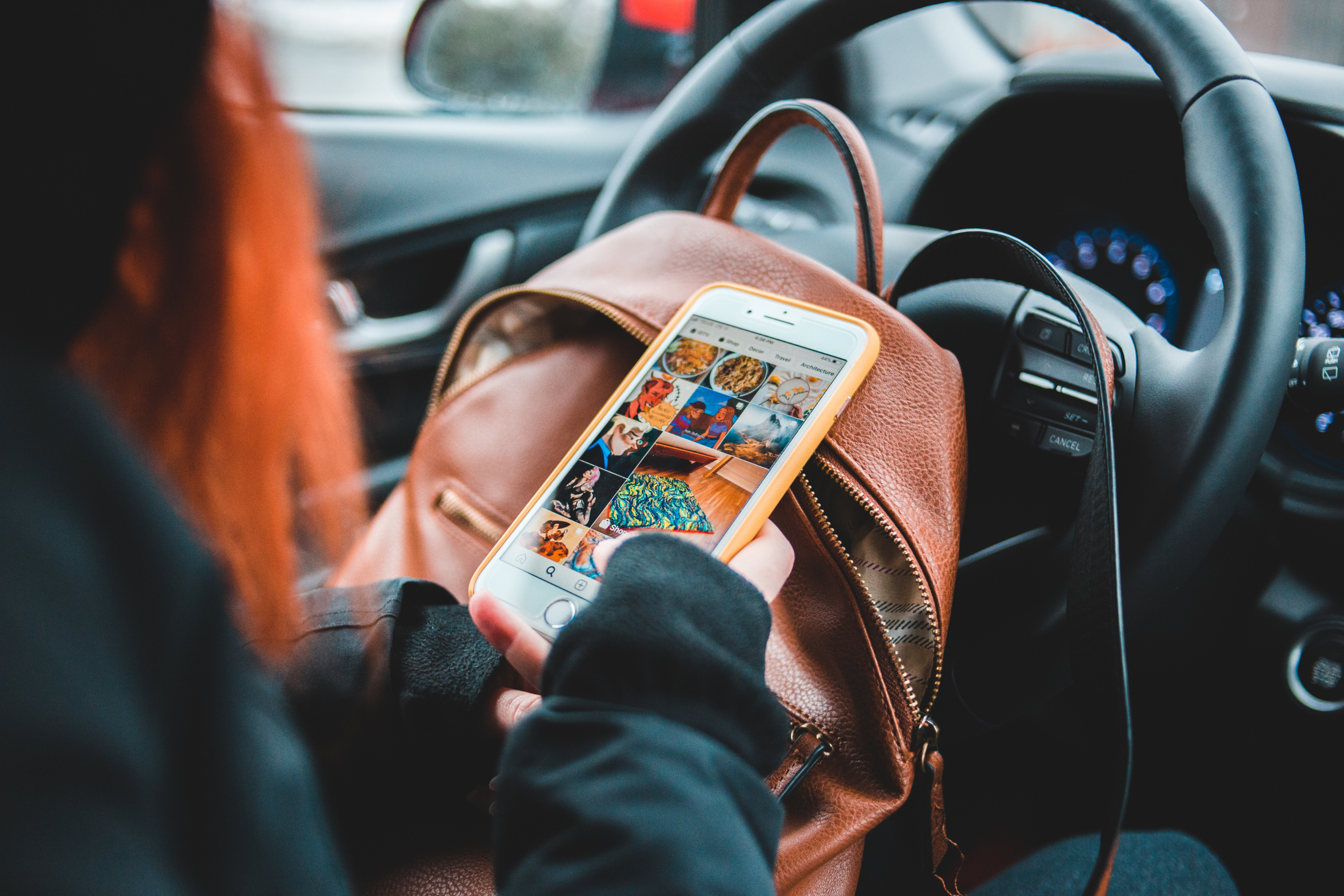
Social media has revolutionized how we connect, communicate, and consume information. Behind every post you see on platforms like Facebook, Instagram, TikTok, and YouTube is a complex set of algorithms. These algorithms are designed to enhance engagement by showing content that you’re most likely to interact with. But like all powerful tools, they come with unintended consequences.
What Are Social Media Algorithms?
Social media algorithms are sets of instructions that platforms use to determine what content appears in a user’s feed. Rather than displaying posts in chronological order, algorithms prioritize content based on a user’s behavior, interests, and previous interactions.
While this makes the experience more personalized, it also means that users are often shown content that reinforces their existing beliefs and behaviors — not necessarily what’s healthiest, most accurate, or most diverse.
Problems Hidden Beneath the Surface
1. Echo Chambers and Filter Bubbles
Algorithms tend to show us content that agrees with our viewpoints. While this can feel comforting, it creates what’s known as an echo chamber — a digital space where our ideas are rarely challenged. Over time, this can deepen divisions in society and make it harder to have open, productive conversations.
2. Misinformation Amplification
Because sensational or controversial content often receives more engagement, algorithms may inadvertently promote false or misleading information. This problem was especially evident during events like the COVID-19 pandemic and recent election cycles. A McGill University study found that algorithm-driven platforms are more likely to spread misinformation than sites with timeline-based feeds.
3. Mental Health Impacts
Scrolling through algorithm-curated content can impact self-esteem and mental well-being. Platforms may show idealized versions of life, leading to comparisons and feelings of inadequacy. According to studies by the American Psychological Association, consistent exposure to filtered content has been linked to increased anxiety, depression, and body image issues, particularly among teens.
4. Time Manipulation
Ever wondered why you can’t stop scrolling? That’s by design. Social media algorithms serve content in a never-ending loop, known as the “infinite scroll.” Combined with dopamine-driven feedback loops (likes, shares, and comments), users often stay online far longer than they intended.
How You Can Take Back Control
While it’s difficult to escape the reach of social media algorithms entirely, there are smart steps you can take to reduce their negative impact.
- Use platform settings: Where available, switch to chronological feeds or change content preferences to diversify what appears in your feed.
- Limit your screen time: Use built-in tools like Google Digital Wellbeing or Apple’s Screen Time to manage your daily use.
- Follow credible sources: Intentionally follow a diverse range of voices from reputable news outlets and educational organizations.
- Fact-check before sharing: Use fact-checking websites like Snopes or FactCheck.org to verify information.
Conclusion
There’s no denying that social media is a powerful tool — but algorithms, when left unchecked, can shape our perceptions, habits, and even mental health in ways we don’t fully realize. By understanding how they work and actively managing how we interact with them, we can use these platforms more intentionally and healthfully.
Awareness is the first step toward change. As conversations around ethics in technology grow louder, it’s up to platforms, policymakers, and users alike to push for transparency and ethical algorithm design. Let’s make digital spaces smarter, safer, and more human-centered.
Read more tech related articles here.





Leave a Reply