Fitbit AI Personal Health Coach: All You Need to Know About Google’s Gemini-Powered Fitness Revolution
The fitness wearables landscape is undergoing a major transformation with the expansion of the Fitbit AI personal health coach 2026 rollout. Google is now rolling out its Gemini-powered AI personal health coach to more Fitbit Premium users across the United States, marking a significant shift from traditional fitness tracking to conversational, intelligent wellness guidance.
What is the Fitbit AI Personal Health Coach?
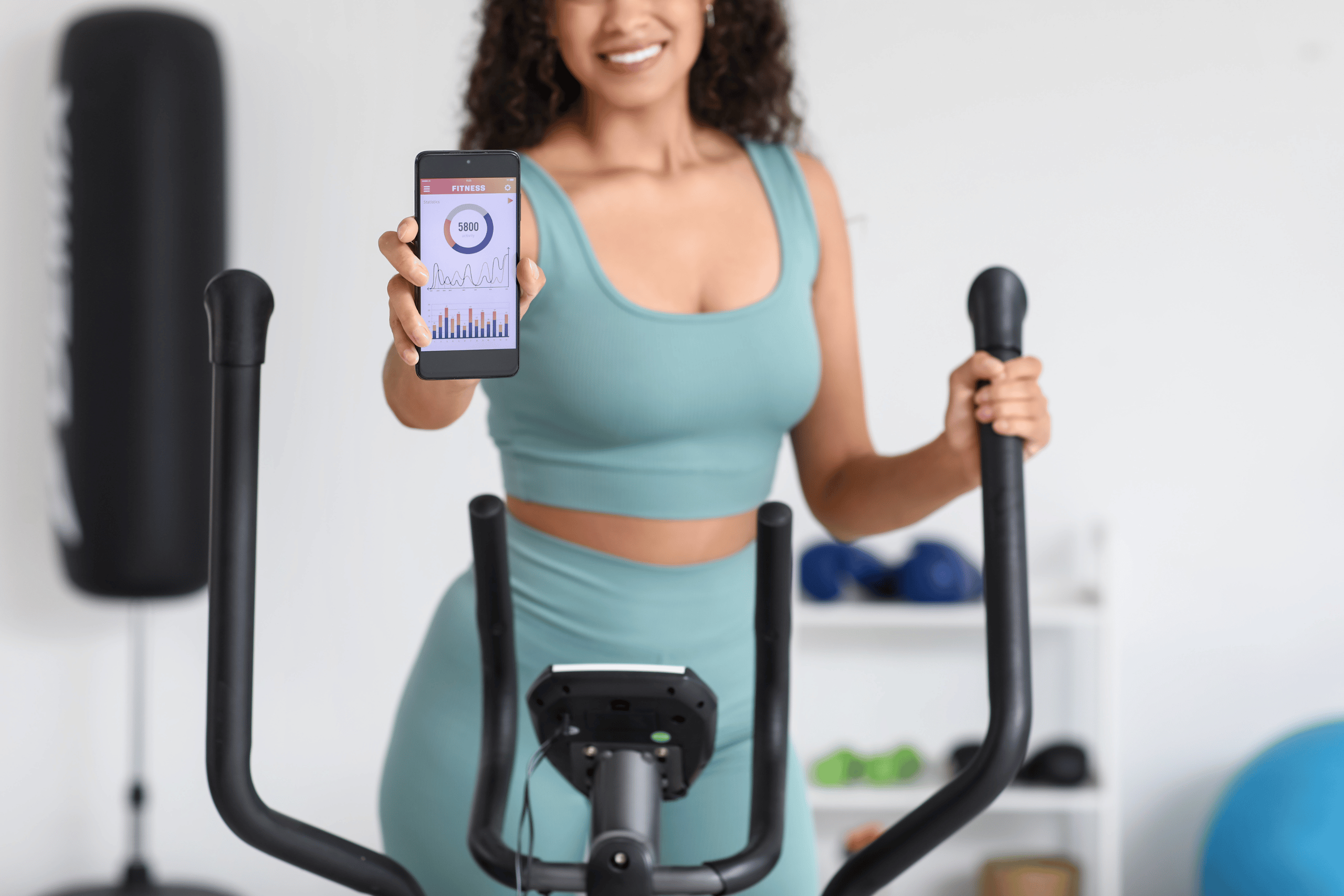
The Fitbit AI personal health coach represents Google’s most ambitious health technology initiative to date. Built on Gemini AI models, this system transforms how users interact with their fitness data by replacing static metrics with an always-available digital advisor that understands context, remembers goals, and adapts recommendations based on real-life circumstances.
According to TechRadar, the AI coach functions as three specialists in one: a fitness trainer who builds personalized workout plans, a sleep coach who optimizes rest schedules, and a wellness advisor who answers health questions with evidence-based insights. The system launched in public preview in late 2025 and continues expanding to eligible users throughout early 2026.
How the Fitbit AI Coach Works
Unlike traditional fitness apps that present data dashboards, the Fitbit AI coach creates a conversational experience. When users first enable the feature, they engage in a 5-10 minute text-based conversation where the coach asks about motivations, current fitness levels, lifestyle constraints, and wellness goals.
The more information users share upfront, the better the AI can tailor recommendations. However, this initial conversation isn’t mandatory—users can skip it and return later, though doing so means the coach starts with less personalized context.
According to hands-on reports from Android Central, the setup process feels natural and responsive, similar to chatting with Gemini but specifically tuned for health and fitness contexts. Users can set goals like “I want to run a 10K in three months” or “Help me build muscle while losing body fat,” and the coach creates multi-week plans addressing those objectives.
Key Features of the AI Health Coach
The Fitbit AI personal health coach 2026 includes several standout capabilities that differentiate it from traditional fitness tracking:
Personalized Multi-Week Fitness Plans: The coach generates workout schedules spanning up to six weeks, complete with cardio sessions, strength training, cross-training options, and rest days. Plans adapt based on your schedule, recovery needs, and progress. If you miss workouts due to illness or travel, the AI adjusts future recommendations rather than simply repeating missed sessions.
Conversational Goal Setting: Instead of manually entering step counts or distance targets, users can describe goals in natural language. The AI interprets statements like “I want to get in shape for my wedding” or “I need to improve my cardiovascular health” and translates them into actionable plans with specific metrics and milestones.
Proactive Health Insights: The coach doesn’t wait for users to ask questions. It analyzes patterns in sleep quality, activity levels, heart rate variability, and other metrics to deliver timely insights. For example, if it detects “social jet lag”—inconsistent sleep schedules between weekdays and weekends—it might proactively suggest adjusting bedtime to improve sleep quality.
30-Day Chat History: Every conversation with the AI coach is searchable for 30 days, allowing users to reference past recommendations, recipes, workout suggestions, or advice. This feature addresses a common frustration with AI assistants: forgetting what was discussed in previous sessions.
Auto-Populated Activity Details: When Pixel Watch or Fitbit devices detect activities through automatic tracking, the coach confirms the workout and auto-populates details like duration, intensity, and type. Users can quickly approve these details rather than manually logging everything, making activity tracking more seamless.
Advanced Sleep Coaching: New sleep algorithms provide more precise understanding of sleep duration and stages. The AI analyzes weekly sleep patterns, identifying areas for improvement and creating personalized sleep schedules that adapt to daily activity levels. Users receive guidance on ideal bedtime, wake-time consistency, and factors affecting sleep quality.
The Stephen Curry Partnership
Google has partnered with NBA champion Stephen Curry and his performance team to ensure the AI coach delivers professional-grade fitness guidance. Curry’s involvement brings insights from elite athletic training to help both amateur and serious athletes optimize performance.
This collaboration demonstrates Google’s commitment to evidence-based coaching. The company also works closely with its Consumer Health Advisory Panel, which includes leaders in medicine, AI, and behavioral science, ensuring recommendations align with scientific research and medical best practices.
How to Access the Fitbit AI Coach
As of early 2026, the Fitbit AI personal health coach is available to eligible users through these criteria:
- Active Fitbit Premium subscription (paid or trial)
- Fitbit app version 4.61 or higher
- Android phone running Android 11 or higher (iOS support coming soon)
- Located in the United States
- English language setting for both app and phone
- At least 18 years old
- Signed in with Google Account
Users who meet these requirements can join the Public Preview by opting in through the Fitbit app. After joining, they can switch between the preview version with AI features and the standard Fitbit app at any time.
The Redesigned Fitbit App
The AI coach debuts alongside a complete Fitbit app redesign that places conversational AI at the center of the experience. According to Android Central’s month-long hands-on review, the new interface presents health metrics in easily digestible widget form, emphasizing weekly and monthly trends rather than overwhelming users with daily data points.
The redesigned app includes several improvements users have requested for years:
- More intuitive data visualization
- Easier navigation to find specific information
- Improved syncing performance
- Long-awaited dark mode
However, the preview app doesn’t yet have complete feature parity with the standard Fitbit app. Some advanced features remain exclusive to the public version, though Google continues adding capabilities regularly.
Real-World Use Cases and User Experiences
Early adopters have shared detailed experiences with the Fitbit AI coach, revealing both strengths and areas for improvement. One user testing the system for a month reported setting an initial goal to run a marathon or 50K race while getting more sleep. Within weeks, they used the AI to pivot toward strength training and improving heart rate variability—demonstrating the system’s flexibility in adapting to changing priorities.
Another user asked the coach about sugar intake concerns. The AI initially provided general guidance about nutrition and glucose, then followed up days later with an unprompted insight. After analyzing the user’s high activity levels and consistent vitals, the coach concluded their body was processing sugars effectively, alleviating concerns without requiring a complete dietary overhaul.
The coach has also proven valuable for addressing unexpected situations. When one tester caught a cold, they asked for workout adjustments. The AI modified the training plan to prioritize recovery while maintaining activity levels appropriate for someone fighting illness—exactly the kind of contextual adaptation that distinguishes AI coaching from static workout plans.
Privacy and Data Security
Health data is inherently sensitive, and Google has implemented several safeguards for the Fitbit AI coach. According to Google’s support documentation, conversations with the AI are private, with human review limited to two specific circumstances:
- When users submit feedback on specific conversations, trained reviewers may read the conversation to understand issues and improve feature quality
- When users provide separate, explicit consent for data to be used for research and development, with personally identifiable information removed
AI interactions are not used for training generative models unless users provide explicit consent. Google emphasizes that the personal health coach is built with Gemini models but operates separately from the general Gemini app, with access to health metrics, goals, workout history, sleep data, and notes that Gemini cannot access.
How Fitbit AI Coach Compares to Competitors
The launch of the Fitbit AI personal health coach 2026 intensifies competition in the wearables market. Apple focuses on medical-grade sensors and tight integration with its ecosystem. Samsung pushes advanced biometrics and comprehensive health tracking. Garmin dominates serious sports and outdoor watches with specialized training features.
Google’s strategy differs: AI-first personalization powered by conversational interfaces. Rather than competing purely on sensor accuracy or battery life, Google bets that intelligent, adaptive coaching will differentiate Fitbit in a crowded market.
According to industry analysis from TechBuzz, this positions Fitbit as the AI-first option for users who find traditional fitness apps too passive or overwhelming. The global wearables market is expected to grow to $27 billion by 2026, with health and fitness applications driving much of that expansion.
Limitations and Considerations
Despite its promise, the Fitbit AI coach has notable limitations. The public preview label indicates this is experimental technology still being refined. Users should expect:
Feature Gaps: Some capabilities from the standard Fitbit app aren’t yet available in the preview version. Nutrition logging, for example, remains in the public app rather than the AI-enabled version.
Platform Restrictions: iOS users must wait for full support. The initial rollout focuses on Android, leaving iPhone users without access despite many using Pixel Watch or Fitbit devices with iOS.
Geographic Limitations: Only U.S. users can access the AI coach currently. International expansion hasn’t been announced, potentially limiting adoption in key markets.
Language Requirements: English-only support restricts accessibility for non-English speakers in the United States and prevents international rollout to non-English-speaking markets.
Not Medical Advice: Google explicitly states the coach isn’t intended to diagnose, treat, cure, or prevent any medical condition. Users should consult healthcare providers for medical guidance rather than relying on AI recommendations.
The Broader Health AI Landscape
The Fitbit AI personal health coach 2026 arrives amid growing interest in AI-powered wellness. OpenAI recently launched a waitlist for ChatGPT Health, offering dedicated wellness guidance. Suunto introduced AI coaching for its sports watches. Multiple startups are developing AI nutrition coaches, mental health assistants, and training plan generators.
This wave of health AI raises important questions about effectiveness, safety, and the role of human expertise. While AI can analyze patterns and provide data-driven recommendations, it lacks the nuanced understanding of human physiology, psychology, and individual circumstances that experienced coaches and medical professionals bring.
According to MIT Technology Review, the Personal Health Large Language Model research published in Nature Medicine demonstrates Google’s commitment to scientifically grounded AI health applications. However, the technology remains experimental, and long-term efficacy studies are ongoing.
What’s Next for Fitbit AI Coach
Google has indicated the AI coach will evolve significantly throughout 2026. The public preview serves as a testing ground, with user feedback directly shaping feature development and refinement.
Expected improvements include:
- iOS support expanding access to iPhone users
- Additional language support for international markets
- Integration with more third-party health apps through Health Connect
- Enhanced nutrition tracking within the AI-enabled app
- More specialized coaching for specific sports and activities
- Improved accuracy in activity auto-detection and logging
The company is also working on new Fitbit hardware for 2026, though specific devices haven’t been announced. New sensors, improved battery life, and better integration with the AI coach could make future Fitbit devices more compelling options in the competitive wearables market.
Should You Try the Fitbit AI Coach?
For Fitbit Premium subscribers who meet eligibility requirements, the AI coach offers a compelling glimpse into the future of fitness technology. The ability to have natural language conversations about health goals, receive personalized multi-week training plans, and get proactive insights based on actual data represents a meaningful evolution beyond static dashboards and manual tracking.
However, potential users should understand this is preview software. Features will change, improvements will roll out gradually, and some capabilities remain incomplete. Users comfortable with experimental technology and willing to provide feedback will get the most value from early adoption.
For those seeking stable, feature-complete fitness tracking, waiting until Google officially launches the AI coach beyond public preview might be wise. The standard Fitbit app continues receiving updates and offers the full range of established features without the experimental nature of the AI version.
Conclusion: The Future of Fitness is Conversational
The Fitbit AI personal health coach 2026 represents Google’s vision for how people will interact with health technology: not through static metrics and manual data entry, but through intelligent conversations with AI assistants that understand context, remember history, and adapt to individual needs.
Whether this approach succeeds depends on execution. Can the AI provide genuinely valuable guidance that helps people achieve fitness goals? Will users trust recommendations from algorithms over human coaches? Can Google scale the system to millions of users while maintaining personalization and privacy?
Early signs suggest the technology has potential. User testimonials describe helpful adaptations to changing circumstances, insights they wouldn’t have discovered independently, and the convenience of conversational goal-setting. The Stephen Curry partnership and collaboration with health experts add credibility to coaching quality.
As more users access the Fitbit AI coach throughout 2026, we’ll learn whether AI-powered health guidance represents a genuine breakthrough or another overhyped technology trend. For now, the Fitbit AI personal health coach stands as one of the most ambitious attempts to make fitness tracking intelligent, adaptive, and genuinely helpful rather than merely passive data collection.
Read more tech related content here.