Apple Crypto Scam Lawsuit: Fake Bitcoin Wallet App Cost Users $1.8 Million
Apple has spent years telling the world that its walled-off App Store is safer than the open alternatives offered by Android and third-party app stores. A new lawsuit filed in California is putting that exact claim on trial.
The Apple crypto scam lawsuit, filed last Friday in the U.S. District Court of Northern California, comes from three plaintiffs who say they collectively lost more than $1.8 million after downloading what they believed was a legitimate Bitcoin wallet app from the App Store. Here’s what actually happened, and what it could mean for how much you should trust an app just because it cleared Apple’s review process.
What Is the Apple Crypto Scam Lawsuit About?
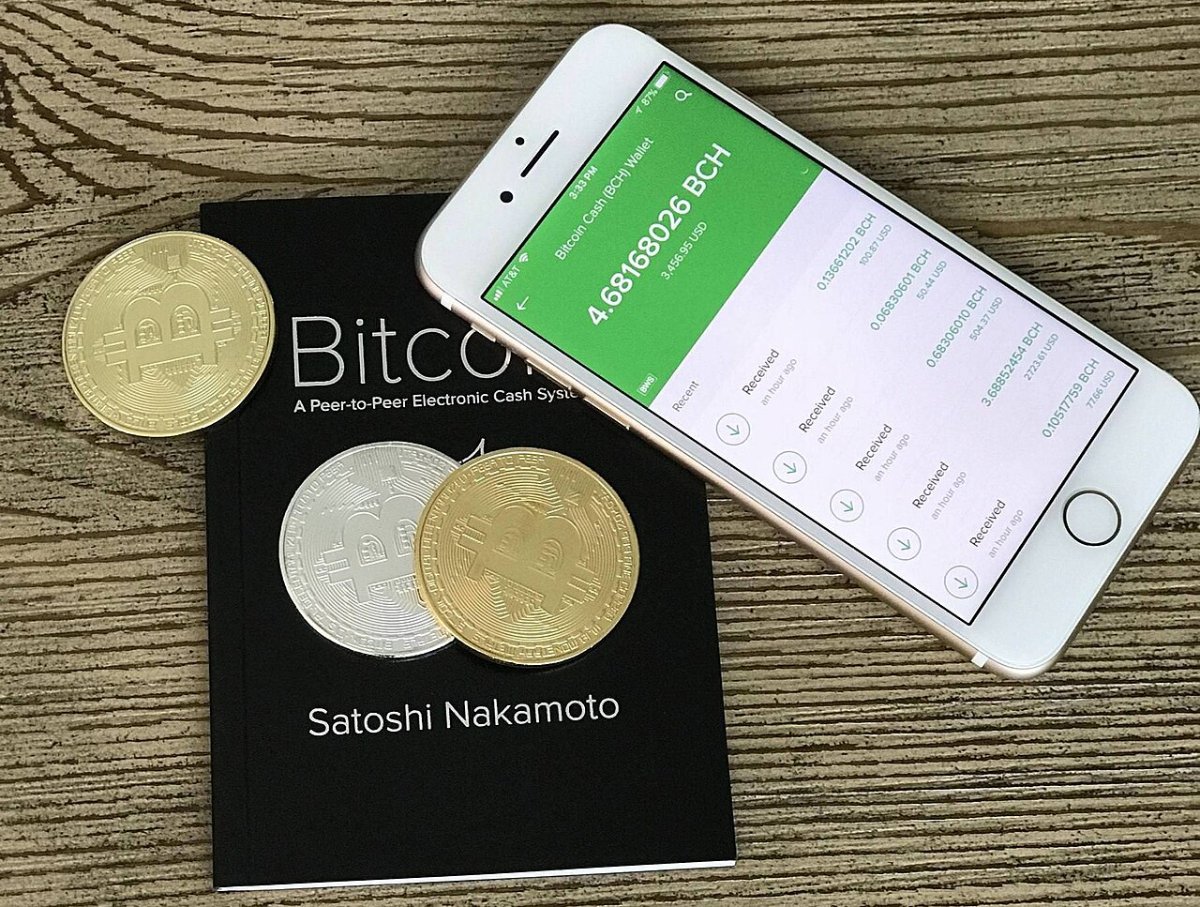
According to TechCrunch’s reporting, the three plaintiffs downloaded an app called “Sparrow Wallet” from the App Store, believing it to be the real Sparrow Bitcoin Wallet — a genuine, well-regarded desktop wallet that, notably, has never actually been available on iOS. That detail alone should have been a red flag, but the fraudulent app was convincing enough that plaintiffs James Ramirez, Christopher Ellis, and Jalen Delgado transferred their Bitcoin directly into it. Ramirez alone lost roughly $875,000; Ellis lost around $840,000; and Delgado lost about $120,000.
Once the funds were transferred, they were gone. Unlike a stolen credit card, cryptocurrency transactions typically can’t be reversed once they’re sent, which is part of what makes crypto wallet scams so devastating and so attractive to fraudsters in the first place.
Why This Lawsuit Targets Apple, Not Just the Scammer
Here’s the part that makes this case bigger than one bad app slipping through the cracks. The complaint directly challenges one of Apple’s core marketing pillars: that its tight, centralized control over the App Store makes it a safer platform than its competitors.
“By retaining exclusive control over which apps are permitted on Apple devices, Apple has structured its platform to ensure that consumers depend entirely on its promise of safety and reliability,” the filing states, as quoted by TechCrunch. In other words, the plaintiffs argue that because Apple insists it alone decides what belongs on the App Store, it should also bear responsibility when a scam gets through.
The lawsuit also points to public complaints from Craig Raw, the actual creator of the real Sparrow Bitcoin Wallet, who has previously said Apple allowed fake copies of his app to linger on the App Store. That’s a pattern, not a one-off glitch, according to the complaint.
Apple’s Response to the Crypto Scam Lawsuit
Apple declined to comment directly on the pending litigation but defended its broader security track record. The company told TechCrunch that impersonation apps violate its guidelines and that it acts quickly to remove them, adding that there are currently no Sparrow Wallet copycats live on the App Store.
Apple also pointed to its own App Store fraud prevention report, which found that in a single recent year the company rejected more than 320,000 app submissions for copying other apps, spamming, or misleading users, on top of preventing billions of dollars in fraudulent transactions overall. The scale of that enforcement is real, but so is the fact that a fraudulent crypto wallet still made it through long enough to cost three people their savings.
What This Means If You Use Crypto Apps
Regardless of how the lawsuit plays out in court, it’s a useful reminder that “it’s on the App Store” is not a foolproof guarantee of legitimacy, especially for anything touching cryptocurrency. The FTC’s guidance on cryptocurrency scams is blunt about this: crypto payments generally aren’t reversible, and government-backed protections that apply to credit cards simply don’t exist for crypto transfers.
A few habits go a long way here. Always verify a wallet app’s developer name against the official one listed on the project’s real website before downloading. Cross-check reviews and download counts, since scam apps often have suspiciously few or newly posted reviews. And if a wallet app has never officially supported your device’s platform before, be extra suspicious if it suddenly appears there.
The Apple crypto scam lawsuit is still in its early stages, and the plaintiffs are seeking a jury trial along with damages and clearer risk disclosures from Apple. Whatever the outcome, it’s already forcing a public reckoning with how much protection “walled garden” app stores actually provide once real money, especially the irreversible kind, is on the line.
Read more tech related content here.