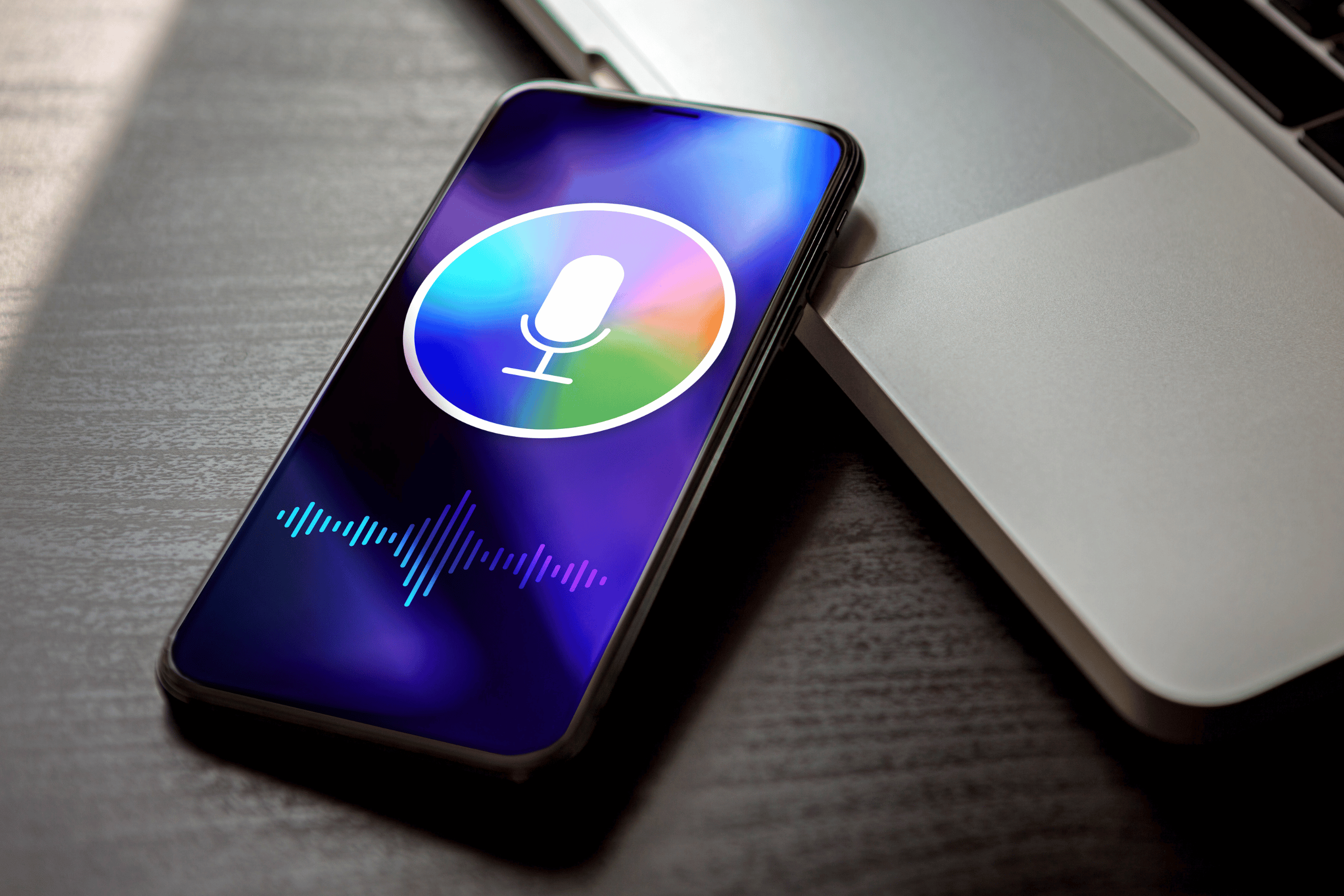
Apple is finally releasing the long-promised AI overhaul of Siri, powered by Google’s Gemini AI model, in iOS 26.4 this March. The Apple Siri Gemini AI upgrade represents a complete rebuild of the voice assistant, bringing on-screen awareness, personal context, and multi-step task execution that make Siri competitive with ChatGPT and Claude for the first time since its 2011 launch.
The Apple Siri Gemini AI Architecture
According to 9to5Mac, the new Siri runs on a 1.2 trillion parameter version of Google Gemini, internally designated as Apple Foundation Models v10. The system processes simple queries on-device using Apple’s Neural Engine, while complex reasoning tasks are offloaded to Private Cloud Compute—Apple’s secure server infrastructure that processes data without storing it.
This hybrid execution model addresses Apple’s core privacy philosophy while delivering the computational power needed for advanced AI. Users interact with Siri’s familiar interface while Gemini handles the cognitive heavy lifting in the background, with zero Google branding visible anywhere in the experience.
The technical implementation is notable for its long-context window, capable of handling up to 1 million tokens. This allows Siri to maintain massive short-term memory of conversations, emails, messages, and calendar events stretching back months, enabling it to recall and synthesize information with unprecedented precision.
On-Screen Awareness: The Killer Feature
The defining capability of the Apple Siri Gemini AI update is on-screen awareness. Unlike previous versions that relied on developers manually tagging accessibility elements, the new Siri uses vision AI to actually see and interpret what’s displayed on your screen in real-time.
According to Tom’s Guide, this means you can look at a photo and say “send this to Sarah,” and Siri will identify the image, find the most likely Sarah in your contacts, and execute the share through the appropriate messaging platform—all without touching the screen.
The technology works across apps without requiring special integration. If a restaurant appears in Safari, Siri can make reservations directly. If a flight confirmation email is open, Siri can add it to your calendar and set departure reminders automatically. The system understands visual context the way humans do, rather than requiring structured data feeds.
Personal Context and Multi-Step Tasks
Personal context represents another major advancement in the Apple Siri Gemini AI system. Siri can now extract information from Mail, Messages, Calendar, and other apps to answer complex questions about your life. Ask “What time is my mother’s flight?” and Siri pulls the details from your email or messages without you needing to specify where that information lives.
The new Siri can chain up to 10 sequential actions from a single natural language request, according to Digital Applied. For example: “Book me on the next available flight to New York, add it to my calendar, and text Sarah my arrival time” executes as a single workflow rather than three separate commands requiring multiple confirmations.
This represents a fundamental shift from intent-matching to semantic reasoning. The Apple Siri Gemini AI understands ambiguous requests, maintains context across conversation turns, and composes multi-step actions autonomously.
The Timeline: Beta in February, Launch in March
Bloomberg’s Mark Gurman reported that Apple plans to release the iOS 26.4 beta in the second half of February, with the public release arriving in March or early April at the latest. However, the company has faced internal testing challenges, with the new Siri sometimes failing to process queries correctly or experiencing long response delays.
According to MacRumors, Apple is spreading some features across future versions. While iOS 26.4 delivers on-screen awareness and personal context, additional capabilities may be delayed until iOS 26.5 (May) or iOS 27 (September).
The extended timeline reflects Apple’s preference to be right rather than first. The company initially announced these features at WWDC 2024 as part of iOS 18, then delayed them to sometime during 2025, and ultimately pushed the launch to March 2026 to ensure quality meets Apple’s standards.
Why Apple Chose Google Over Building In-House
The partnership between Apple and Google represents a notable moment in tech history—fierce smartphone competitors collaborating on AI infrastructure. Apple chose Gemini after considering its own models as well as options from Anthropic, ultimately concluding that building a trillion-parameter model from scratch would take too long.
According to Gadget Hacks, Apple pays Google approximately $1.5 billion annually under a multi-year white-labeled agreement. The financial commitment serves as a bridge strategy, buying time while Apple develops its own next-generation models, codenamed “Ferret-3,” planned for 2026-2027.
Running Gemini on Private Cloud Compute means processing happens on Apple-controlled servers, protecting user privacy. Apple maintains that personal data never goes directly to Google the way asking Google Assistant a question would. The company says its infrastructure ensures data isn’t stored and remains inaccessible even to Apple’s own engineers.
iOS 27: Siri Becomes a Full Chatbot
While iOS 26.4 focuses on task execution and context awareness, Gurman reports that iOS 27 (September 2026) will transform Siri into a full conversational chatbot competitive with ChatGPT and Claude. This version uses Apple Foundation Models v11, described as “significantly more capable” than the iOS 26.4 system.
The chatbot Siri might run directly on Google’s servers rather than Private Cloud Compute, reflecting the increased computational demands of sustained conversational AI. Apple is reportedly demonstrating chatbot features internally but hasn’t committed to a public release timeline.
Implications for Businesses and Developers
For businesses, the Apple Siri Gemini AI launch fundamentally changes how customers discover and interact with products and services. According to Digital Applied, as Siri becomes capable of completing transactions, recommending restaurants, booking services, and suggesting products based on screen context, brands not optimized for AI assistant discovery risk losing visibility at the point of decision.
Traditional SEO alone is insufficient. Companies need to update Apple Maps listings, audit structured data markup, integrate with SiriKit, and rethink customer acquisition funnels for a world where a significant portion of users have an AI assistant that can see their screen and complete transactions without visiting websites.
For developers, Apple is emphasizing SiriKit integration to ensure apps work smoothly with the new capabilities. Apps that don’t integrate risk being bypassed as Siri executes tasks through better-connected alternatives.
Device Compatibility and Requirements
The Apple Siri Gemini AI features require iPhone 15 Pro or newer, reflecting the computational demands of on-device processing and Neural Engine requirements. According to MacRumors, approximately 2.2 billion Apple devices eventually gain access as the features roll out across iPhone, iPad, and Mac.
Users will need to update to iOS 26.4 when it ships in March or April. Apple recommends spending time experimenting with the new assistant to understand its expanded capabilities, as the interaction model differs significantly from traditional Siri.
Privacy Considerations and User Control
Despite using Google’s AI technology, Apple maintains its privacy-first approach. Processing happens either on-device or through Private Cloud Compute’s stateless environment, where data is never logged or stored. Apple says this architecture enables independent verification that user information isn’t retained or accessed improperly.
Users can control which apps Siri can access for personal context, similar to existing privacy controls. The system requires explicit permission to read emails, messages, or other sensitive information, giving users granular control over what data feeds into Siri’s knowledge base.
The Competitive Landscape
The Apple Siri Gemini AI launch intensifies competition among tech giants racing to dominate AI assistants. Microsoft has integrated Copilot across Windows and Office. Google continues advancing its own Assistant and integrating Gemini across products. Amazon is overhauling Alexa with generative AI.
Apple’s approach differs in its emphasis on privacy-preserving infrastructure and tight hardware-software integration. The company is betting that users will value on-device processing and Private Cloud Compute security over slightly faster responses from cloud-only systems.
For consumers, the key question is whether the Apple Siri Gemini AI delivers on its ambitious promises. After years of delays and missed expectations, Siri finally has the architecture to become the intelligent assistant Apple originally envisioned. Whether execution matches the vision will become clear when iOS 26.4 ships in the coming weeks.
Read more tech related articles here.




Leave a Reply