Best At-Home Beauty Tech Devices in 2026: A Tech Perspective
The beauty world has quietly turned into one of the most interesting corners of consumer tech. Gadgets that used to mean a dermatologist appointment and a four-figure bill are now built for your bathroom counter, with clinical-grade wavelengths, medical-grade materials, and FDA registrations to back them up. We tested the best at-home beauty tech devices of 2026 the way we’d judge any gadget.
Trouble is, most beauty blogs review these things on vibes. How nice the box looks. Whether the influencer seemed into it. That’s not how we do things around here.
We look at these devices the way we’d look at any piece of tech: the specs, the build, what you get for your money, and whether the science underneath actually holds up. So here are the at-home beauty tech devices worth buying in 2026.
LED face masks
Of all the at-home beauty gadgets, LED light therapy has the strongest clinical backing by a mile. The idea is simple enough: specific wavelengths of light sink into your skin at different depths and trigger different responses. Red light (around 630nm) boosts collagen. Blue light (around 415nm) kills the bacteria behind acne. Near-infrared (850nm) calms inflammation deeper down.
The question was never really whether LED therapy works. Dozens of peer-reviewed studies say it does. The question is whether the device you actually buy puts out enough power, at the right wavelengths, to get you results.
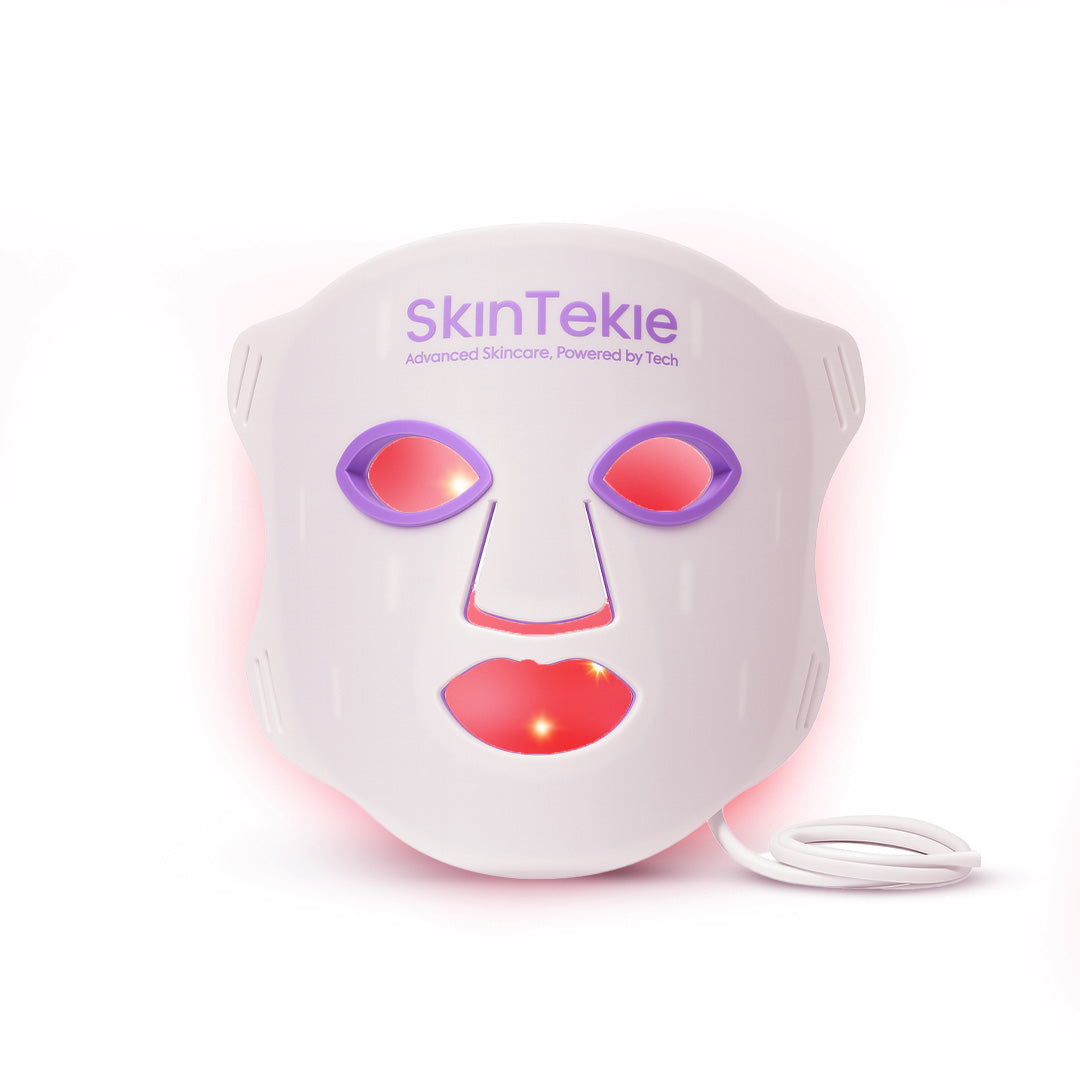
Top pick: SkinTekie LED Face Mask, $239
This is where the price-to-performance math gets fun. The SkinTekie LED Face Mask packs 164 medical-grade LEDs across four wavelength modes: red (630nm), blue (415nm), orange, and near-infrared (850nm). It’s FDA-registered, covers your whole face and neck, and runs in 10-minute sessions.
On paper it goes toe to toe with masks that cost almost double. The Omnilux Contour Face is $395 and only does red and near-infrared. The CurrentBody Skin LED Mask is $470 for, again, just red and near-infrared. The Shark CryoGlow runs $350. At $239, or $191 if you grab the new-customer discount, SkinTekie gives you more wavelength options for a lot less money.
Runner-up: Omnilux Contour Face, $395
Omnilux has the brand recognition and some solid clinical data behind it. If all you care about is anti-aging (red and near-infrared) and price isn’t a concern, it’s a quality mask. Just know you’re paying a premium for two modes when other masks give you four.
IPL hair removal devices
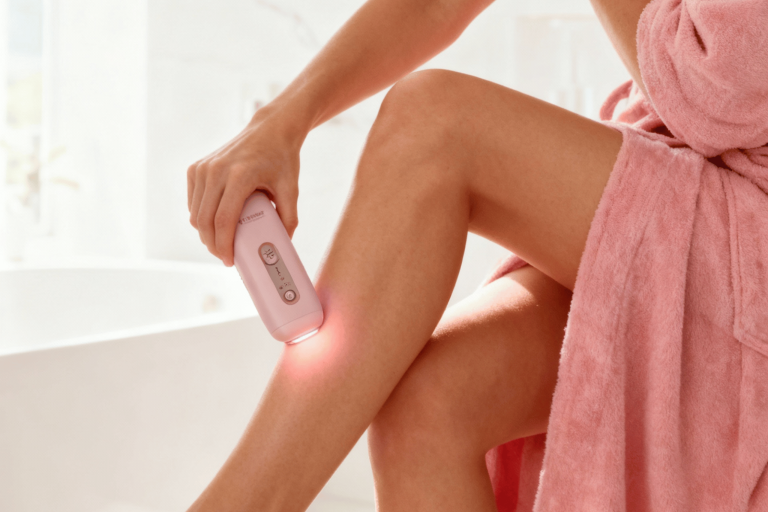
IPL, short for intense pulsed light, uses broad-spectrum light to target the melanin in your hair follicles and shut down regrowth over a series of sessions. It’s been proven in clinics for years, and the home versions have gotten a lot better in the last couple of years.
The specs that matter here: flash count (basically how long the device lasts), energy levels (more levels means finer control for different body areas), and which skin tones it works on.
Top pick: SkinTekie IPL Hair Removal Device, $189
The SkinTekie IPL gives you 999,999 flashes, which is effectively a lifetime supply, across five adjustable energy levels. It works on skin tones I through VI, and it’s cordless, which matters more than it sounds if you’ve ever wrestled a corded IPL device around your own legs. At $189, it comes in at half the price of the salon-brand options, or less.
Runner-up: Braun Silk-Expert Pro 5, $350+
Braun’s device has great skin-tone sensors and adjusts intensity automatically. It’s corded, though, and roughly twice the price. The core tech is comparable. You’re mostly paying for the convenience extras, which may or may not be worth it to you.
Microcurrent devices
Microcurrent tools send a low-level electrical current through your skin to stimulate the facial muscles, basically a little workout for your face. The big name here is the NuFACE Trinity+, which has been around for years and has FDA clearance. At $339 to $400 depending on the model, it’s an investment, but the tech does have clinical support for temporary lifting and toning.
One thing to know: microcurrent results are cumulative and temporary. You’ve got to keep using it to keep the effect, unlike LED therapy, where the collagen benefits build up over time.
RF (radiofrequency) devices
Radiofrequency devices heat the deeper layers of your skin to kick-start collagen remodeling. The TriPollar STOP Vx and NEWA are the most established consumer RF tools, and they run from $300 to $500.
The catch with RF is safety. The FDA put out safety communications back in 2023 about certain RF devices, and a few (like the Lyma Laser) have come under scrutiny. If you go this route, stick to devices with current FDA clearances and steer clear of anything promising “laser-like results.”
The short version on at-home beauty tech devices
The best value in at-home beauty tech right now is LED therapy, full stop. The science is settled, the devices are easy to use, and the gap between budget and premium masks has gotten wide enough that paying $400 or more is hard to justify unless you’re loyal to a particular brand.
If you’re shopping, it’s worth checking a few independent comparison pages before you commit. The differences in wavelength coverage and LED count tell you a lot more than the marketing does.
Disclosure: Techwey reviews consumer tech independently. We may earn a commission if you buy through links in this article.