
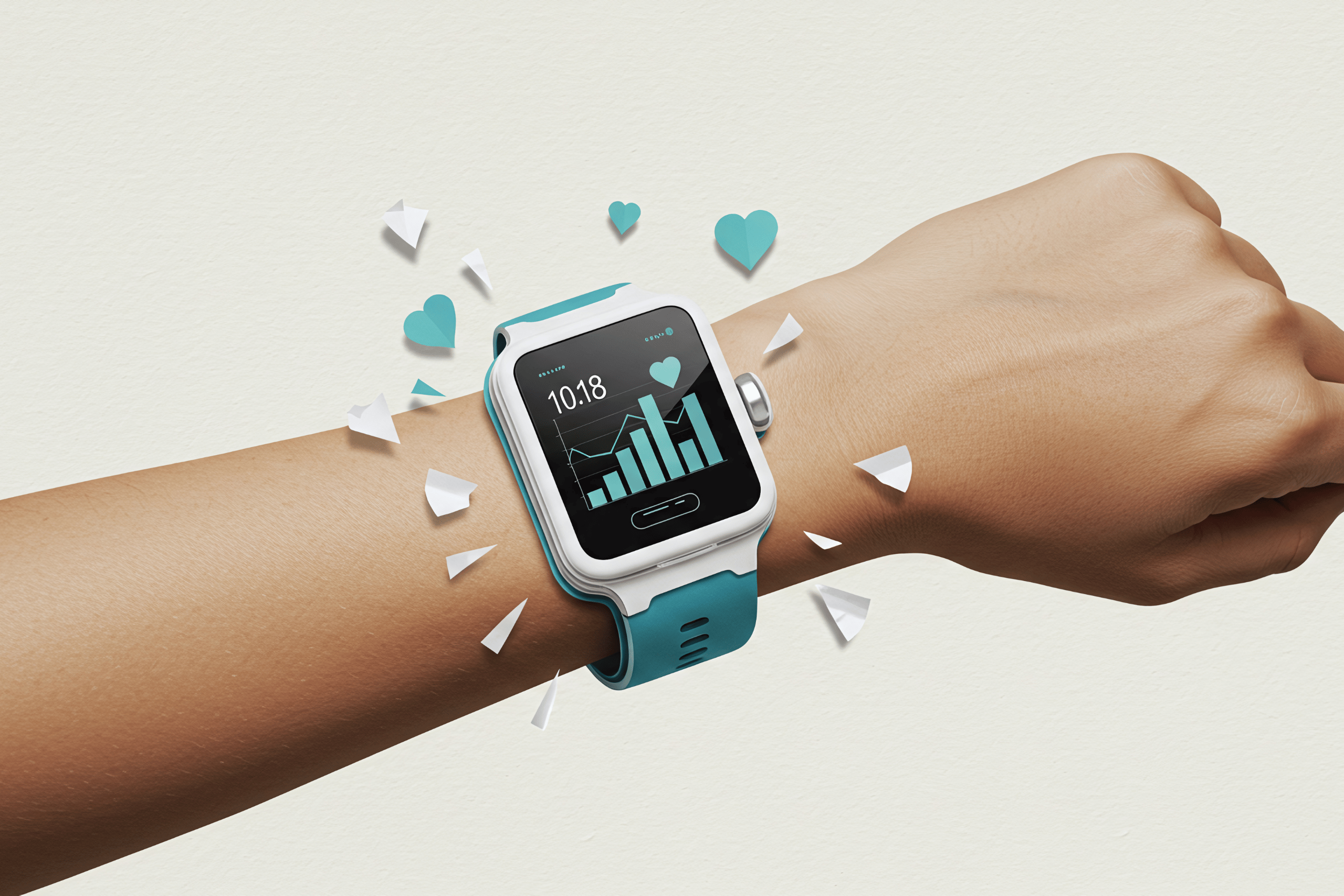
Understanding Continuous Biosensing Wearables in 2026
Once limited to tracking steps and heart rate, today’s wearables are evolving into sophisticated biosensors that monitor a range of biomarkers — beyond just blood sugar. As we venture into 2026, continuous biosensing technology is empowering users with real-time, personalized health data like never before.
Whether you’re a fitness enthusiast, managing a chronic condition, or simply curious about optimizing your well-being, this guide breaks down the top developments in the exciting world of continuous biosensing wearables.
What Are Continuous Biosensing Wearables?
Continuous biosensing wearables are smart devices — like patches, rings, or watches — that monitor physiological data around the clock. Unlike traditional health trackers, these devices can capture detailed biological signals such as:
- Intercellular fluid composition (glucose, lactate, cortisol)
- Sweat biomarkers (electrolytes, hydration markers)
- Core body temperature
- Stress indicators (via skin conductance or heart rate variability)
- Hormonal changes (for women’s health and more)
These sensors provide continuous, real-time feedback, helping users make informed decisions about their health practices — from nutrition choices and sleep patterns to stress management and disease prevention.
2026 Game-Changers: Biosensing Tech to Watch
The wearable tech landscape is expanding rapidly. Here’s a look at some of the most promising biosensing innovations for 2025:
- Non-Invasive Cortisol Monitors
Cortisol is a key stress hormone. New skin-patch wearables can now detect your cortisol levels through sweat or interstitial fluid, helping you recognize stress patterns and triggers in real time. - Menstrual Health Sensors
Devices are emerging that track hormone shifts to help predict ovulation more accurately, manage symptoms of PMS, or provide insights into perimenopause and menopause transitions. - Lactic Acid Tracking for Athletes
Lactic acid buildup correlates with workout intensity. Next-generation biosensors worn during exercise can monitor this metric, allowing athletes to optimize their training and improve recovery times. - Hydration Level Sensors
Smart patches and rings are beginning to track electrolyte loss through sweat, making it easier for individuals in hot climates or intense training regimens to stay optimally hydrated. - Real-Time Inflammation Markers
Some advanced wearables now measure indicators of systemic inflammation. This can be particularly useful for people managing autoimmune conditions or chronic pain.
How These Devices Support Better Health
Continuous biosensing wearables aren’t just about tracking numbers — they’re about empowering you to act. Here’s how they contribute to meaningful lifestyle improvements:
- Early detection: Ongoing monitoring helps flag changes or irregularities long before symptoms appear.
- Personalized wellness: Data-driven insights guide tailored approaches to diet, exercise, and sleep.
- Chronic condition management: From diabetes to anxiety, biosensing devices help individuals respond proactively to dynamic health needs.
- Enhanced conversations with healthcare providers: Wearable-collected data can be shared with your doctor to support more informed decisions.
Expert Advice on Choosing a Biosensing Wearable
Before jumping into the latest tech, consider these pro tips from healthcare professionals and wearable technology experts:
- Define your goals: Are you monitoring stress, improving athletic performance, or managing a condition? Choose a device that aligns with your core needs.
- Prioritize data privacy: Ensure the manufacturer has clear policies on data encryption and user control.
- Look for FDA or CE approvals: Regulators increasingly oversee wearable devices for accuracy and safety. Regulatory approval adds credibility.
- Ease of use matters: A device that’s too complex to operate or interpret defeats its purpose. Go for user-friendly interfaces.
The Road Ahead: A Future of Preventive Health
The biosensing wearables of 2026 are heralding a new era of preventive, personalized, and participatory healthcare. As these tools become more affordable and mainstream, expect them to play a central role in how we approach health — from the clinic to everyday life.
Whether you’re navigating stress, training for your next marathon, or simply seeking better balance, the next generation of wearables puts powerful health insights literally at your fingertips.
Stay informed. Stay connected. And most importantly, listen to what your body has to say — now in real time.
Read more articles here.




Leave a Reply