SpaceX Files for a $75 Billion IPO — The Largest Stock Market Debut in History
SpaceX has officially filed for an initial public offering that would raise $75 billion — more than doubling the previous record set by Saudi Aramco in 2019. The company plans to sell 555.6 million shares at $135 each, giving it a market value of roughly $1.77 trillion. Trading is expected to begin on Nasdaq under the ticker SPCX on June 12.
If it goes to plan, it won’t just be the biggest IPO ever. It could also make Elon Musk the world’s first trillionaire.
What SpaceX Actually Is Now
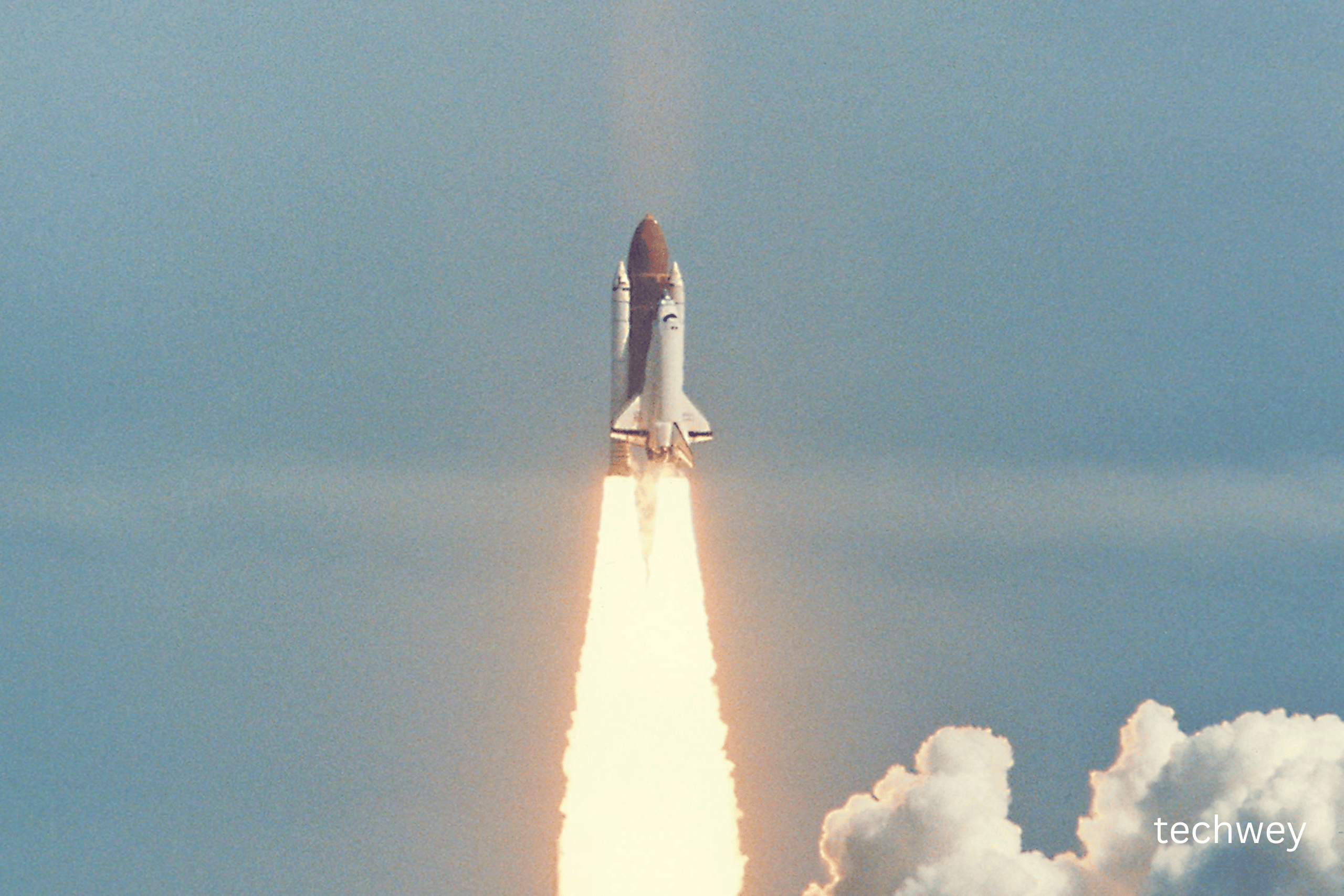
SpaceX isn’t just a rocket company anymore. Earlier this year, it merged with xAI — Musk’s artificial intelligence startup — making it a combined aerospace and AI company. The business includes Falcon 9 launches, the Starlink global satellite internet service, and now a growing AI infrastructure division with plans for space-based AI data centres powered by Starlink’s satellite network.
The company reported $18.7 billion in revenue last year, though it posted a net loss of $4.94 billion — largely due to its heavy investment in infrastructure and the xAI merger. Investors, for now, appear unbothered. The sheer scale of SpaceX’s ambitions — from reusable rockets to orbital computing — is doing the heavy lifting on valuation.
The Numbers That Matter
At $1.77 trillion, SpaceX would be larger than all but six companies in the S&P 500 — and bigger than Tesla.
Only Nvidia, Apple, Microsoft, Alphabet, Amazon, and Meta currently sit above that threshold. The offering is entirely primary, meaning all $75 billion flows directly into SpaceX rather than to existing shareholders — a significant signal that the company intends to deploy that capital aggressively into infrastructure, chips, and AI.
There is also a 15% greenshoe option that could push the total raise beyond $75 billion if demand is strong during the marketing period, which kicked off on June 4.
Why Musk Is Doing This Differently
Rather than the typical practice of announcing a price range and gauging demand during investor roadshows, Musk set a fixed price of $135 per share upfront — a method more common in European and Asian markets. It’s another rejection of Wall Street convention from a founder who has long treated financial markets as another arena to rewrite the rules in.
Bloomberg reports that despite negotiating razor-thin fees with the banks handling the deal, those banks are still expected to earn around $500 million in underwriting fees — a measure of the sheer size of the transaction.
What It Means for the Tech Ecosystem
The SpaceX IPO is being watched as a bellwether for other big tech listings. OpenAI and Anthropic are both expected to pursue public offerings in 2026 at valuations of $750 billion and ~$350 billion respectively. If SpaceX’s debut goes smoothly, it gives both companies — and investors — more confidence that the public markets can absorb these enormous AI-era valuations.
For everyday investors, this is a rare chance to gain exposure to commercial space, satellite internet, and AI infrastructure through a single stock. For the broader tech industry, it signals that the AI buildout is no longer just a private market story. It’s going public — and the numbers are unlike anything we’ve seen before. For more on the tech powering SpaceX’s ambitions, see our look at the emerging technologies transforming the future.
What to Watch
The Nasdaq debut is targeted for June 12. Analysts will be watching first-day trading closely — particularly how institutional investors price the AI and Starlink growth story against the current net loss position. One thing seems certain: whatever happens, SpaceX’s IPO will set the tone for the rest of the year’s major tech listings.
Read more tech related articles here.