Anthropic Brings Claude Pricing to India in Rupees, Its Second-Largest Market
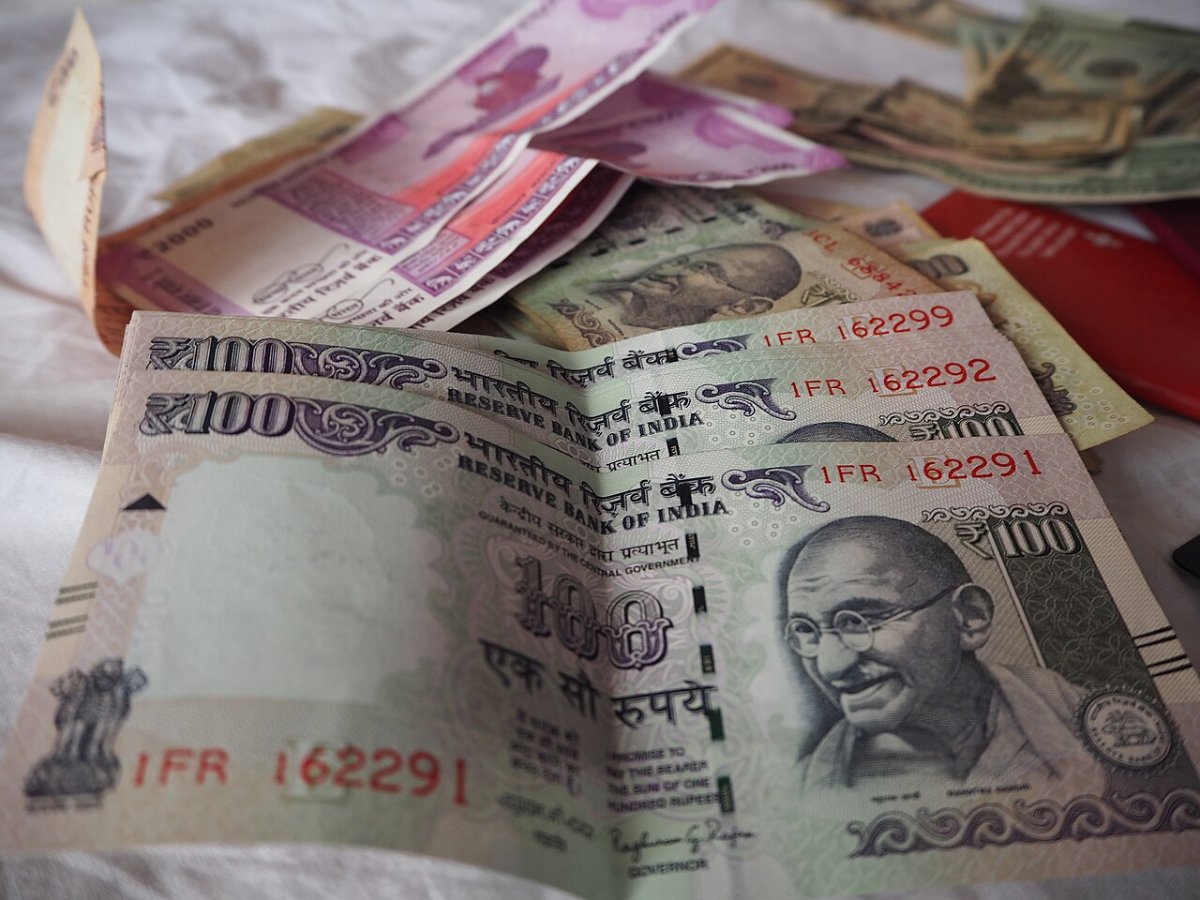
Anthropic has started displaying Indian rupee-denominated subscription pricing for its Claude AI assistant in India, marking a significant step in the company’s effort to deepen its presence in what it says is its second-largest market in the world. The move, reported by TechCrunch on July 13, 2026, follows months of investment in India by Anthropic — and addresses a long-running source of frustration among Indian users who have had to navigate currency conversion and dollar-based billing to access Claude.
India accounts for 5.8% of global Claude usage, according to Anthropic’s own research — a figure that makes it the company’s largest market outside the United States. Despite that scale, Indian users had until now been paying in US dollars, adding both friction and cost to every subscription. The new rupee pricing removes that barrier for at least some users, though the rollout is not yet complete.
What the New Anthropic Claude India pricing Looks Like
On Claude website in India, Anthropic is currently listing the following Indian rupee-denominated pricing plans:
Claude Pro: ₹2,000 per month (~$21) when billed annually. The equivalent US price is $17 per month.
Claude Max: Starts at ₹11,999 per month (~$125). The US price starts at $100 per month.
Team plans: ₹2,399 per seat per month (~$25). The US rate is $20 per seat per month.
The India prices include local taxes, which accounts for the higher effective cost compared to US pricing. Prices on Claude’s mobile apps vary slightly from those listed on the website.
UPI Support Is Still Missing
One important limitation is that Anthropic has not yet enabled payments through UPI — India’s Unified Payments Interface — the dominant instant payments network used by hundreds of millions of Indians for everyday transactions. Users in India who want to subscribe to Claude must currently pay by card or through Apple’s and Google’s in-app billing systems.
This puts Anthropic behind its biggest rival in India. OpenAI rolled out rupee pricing for ChatGPT with full UPI support, making it significantly easier for Indian users to subscribe without needing an international credit card. For Anthropic to match OpenAI’s depth of payment localization, UPI integration will need to follow.
The gap matters in a market where UPI has become the default payment method. India processed over 18 billion UPI transactions in a single month in 2025. Any AI subscription service without UPI support faces a real barrier to conversion in the Indian consumer market.
Why India Is So Important to Anthropic
India has become one of the most strategically important markets for AI companies, driven by a massive base of developers, engineers, and technology workers who are among the most active AI users globally. Anthropic’s own data — showing India at 5.8% of Claude usage — reflects just how deeply the country has already adopted the platform, even without localized pricing.
Anthropic has been making significant moves to build out its India presence. The company opened a Bengaluru office in February 2026, having first announced its India plans in October 2025. In January 2026, it appointed Irina Ghose — formerly the Managing Director of Microsoft India — to lead its India business, a hire that signals genuine long-term commitment to the market.
On the enterprise side, Anthropic has also partnered with two of India’s biggest IT services companies: Infosys and Tata Consultancy Services (TCS). Both partnerships are aimed at scaling enterprise AI deployments — a segment where Claude’s reputation for careful, reliable AI has attracted strong interest from large organizations.
A Setback That Shook Indian Developers
Anthropic’s India ambitions hit a significant obstacle in June 2026 when the company abruptly suspended access to its most advanced models — Fable 5 and Mythos 5 — for non-US entities. The move, which came amid US government pressure related to AI export controls, left Indian developers and startup founders scrambling for alternatives and prompted a wider debate about the risks of depending on US-based AI platforms.
The restriction on Fable 5 has since been lifted following a change in US government policy. However, access to Mythos 5 — Anthropic’s most powerful model — remains limited for non-US users. That ongoing restriction is a reminder that even as Anthropic deepens its India investment, geopolitical factors can create sudden disruptions for international users.
The Bigger Race for India’s AI Market
Anthropic is not alone in recognizing India’s importance. OpenAI, Google, and Meta are all competing aggressively for Indian users and enterprise clients. The country’s combination of scale (over 1.4 billion people), a large English-speaking developer community, and rapid digital adoption makes it one of the most attractive growth markets in the world for AI companies.
The key challenge across all these players is the same: India has extremely high usage but lower willingness to pay compared to US markets. Converting the millions of Indian users who access Claude for free into paying subscribers requires more than rupee pricing — it requires pricing levels that feel accessible relative to local incomes, payment methods that match local habits (hence the urgency of UPI), and enough localized value to justify a recurring subscription.
Anthropic’s move to localize pricing is a necessary first step. Whether it translates into meaningful subscription growth in India will depend on how quickly the company follows through with UPI support and continues investing in the country through partnerships, local hires, and tailored product features.
What This Means for Indian Users
For Indian anthropic Claude users, the arrival of rupee pricing is a welcome development — even if it is not yet complete. Paying in local currency eliminates currency conversion fees and provides predictability in billing that dollar pricing cannot. For users on Anthropic Claude Pro, the ₹2,000 monthly pricing is comparable to other premium digital subscriptions available in India, making it more accessible than the dollar equivalent was.
The next thing to watch is when Anthropic enables UPI. That single addition would dramatically lower the barrier to subscribing for the vast majority of Indian users who rely on UPI for their daily payments — and would signal that Anthropic is serious about competing on equal terms with OpenAI in one of the world’s most important technology markets.
Read more tech related articles here.