Apple Cuts iPhone 18 Pro Orders as Memory Costs Hit Demand
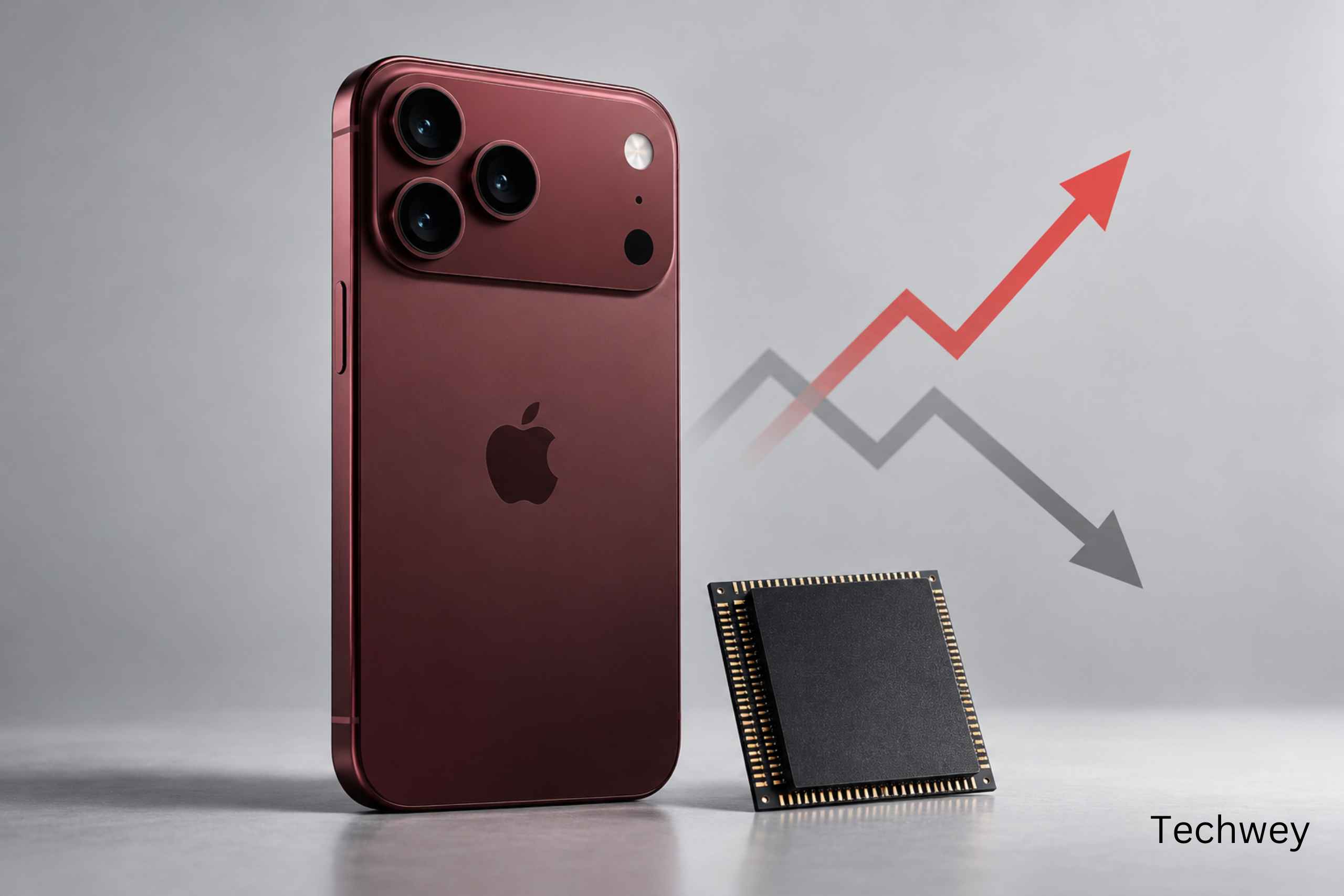
Apple has told some of its suppliers to cut production of components for the iPhone 18 Pro and iPhone 18 Pro Max, according to an exclusive report from Nikkei Asia. The report says rising memory chip costs forced higher prices, and those prices have dampened consumer demand.
If the report holds up, the iPhone 18 Pro orders story shows how the AI boom is reaching ordinary phone buyers.
What Nikkei Reported
According to Business Recorder’s summary of the report, Apple has been more conservative about shipments since early September. October component orders were cut by at least 15% compared with what Apple first requested. Nikkei cites multiple people familiar with the matter, and some summaries put the cut at 15% to 20%. Suppliers blame the premium price rise for weaker uptake of the new handsets.
The iPhone 18 Pro and Pro Max start at $1,199 and $1,299. That is $100 more than the iPhone 17 Pro and Pro Max cost at launch.
Not every supplier will feel the cut at once. Eastern Herald notes that timing depends on production lead times and inventory. It also says it is unclear whether Apple will cut further from November. Nikkei did not name which components are affected.
Why Memory Costs Matter
The shortage behind this story comes from AI data centers, which are absorbing huge amounts of memory and storage. As Apple adds more AI features to its devices, its own need for high-performance memory has grown too.
This is not new for Apple. The Standard recalls that Apple raised iPad and MacBook prices in June, saying it could no longer shield customers from soaring memory and storage costs.
The pressure is industry-wide. ITPro reports that Gartner counted a 22.4% fall in third-quarter PC shipments, and that Counterpoint found smartphone shipments down 20% year over year.
The Other Side of the Story
The report comes with caveats. One news roundup notes that Reuters could not immediately verify the Nikkei claim. The reports I reviewed did not include a confirmation from Apple.
Apple-focused commentators also pushed back. MacDailyNews argued that Nikkei publishes a similar story most years, and that Apple often adjusts production after launch. Nikkei’s suppliers, however, say the staggered launch alone does not explain the weaker demand.
AppleMagazine makes a useful point about the numbers. Lower orders do not tell the whole revenue story, because higher prices can partly offset lower unit volumes. Rising manufacturing costs can still squeeze profit, though.
What It Means for Buyers
Here is some practical advice. This part is our own view, not part of the reporting.
If you are eyeing a Pro model, decide whether you need it. A $100 jump is real money, and the standard lineup may cover your needs. If you already own a recent iPhone, there is little pressure to upgrade this year. Lower demand can also lead to promotions later, although Apple rarely discounts new phones quickly.
Check trade-in values and carrier offers before you pay full price. They can offset some of the increase. If you are weighing the whole range, our guide to everything Apple announced in September lists what each model offers.
What to Watch Next
Watch for Apple’s next earnings report, which should show how the new phones actually sold. Watch for any further supplier cuts in November. Also watch memory prices, because they decide how much room Apple has to hold the line on pricing. For another Apple product shaped by the same pressures, see our report on the Mac mini M6 launch.