Free Apps Aren’t Free: What Big Tech Is Really Taking From You
There’s a saying that’s become almost a cliché in tech circles: “If you’re not paying for the product, you are the product.” Like most clichés, it became one because it’s true — but most people still don’t fully understand what that means in practice. Free apps aren’t a charitable gesture from billion-dollar companies. They are a business model, and you are the revenue.
Understanding how free apps data works is one of the most useful things a modern internet user can know. Here’s the plain-language version.
The Basic Exchange You Agreed To
Every time you download a free app and tap “Accept” on the terms and conditions, you are entering into a legal agreement. Almost nobody reads these agreements — they are written to be long and difficult — but they typically grant the app and its parent company the right to collect a wide range of data about you, process it, and use it to generate revenue.
The primary mechanism is advertising. The more accurately an advertiser can target a specific type of person, the more they will pay to reach them. Free apps generate that targeting precision by collecting your data.
This is the engine behind some of the most profitable companies in history. Meta, which owns Facebook, Instagram, and WhatsApp, generated over $134 billion in advertising revenue in 2023 — almost entirely from serving targeted ads to users of its “free” products. Alphabet (Google) made over $237 billion in the same year, the vast majority from advertising across its free suite: Search, YouTube, Gmail, Maps.
Free is extremely expensive — for someone else.
What Free Apps Actually Collect
The scope of data collection on a typical free app is broader than most users realize. Depending on what permissions you grant and what platform you’re on, apps can collect:
Identity and profile data — your name, age, gender, email, phone number, and account details.
Location data — where you are right now, where you’ve been, how long you stayed, and how often you visit certain places. Even when you’re not actively using the app.
Behavioral data — what you tap on, how long you look at something, what you scroll past, what you search for, and when you do it.
Device data — your phone model, operating system, battery level, network connection type, and a unique device identifier that follows you across apps.
Contact and social data — in many cases, who is in your contacts list and how you communicate with them.
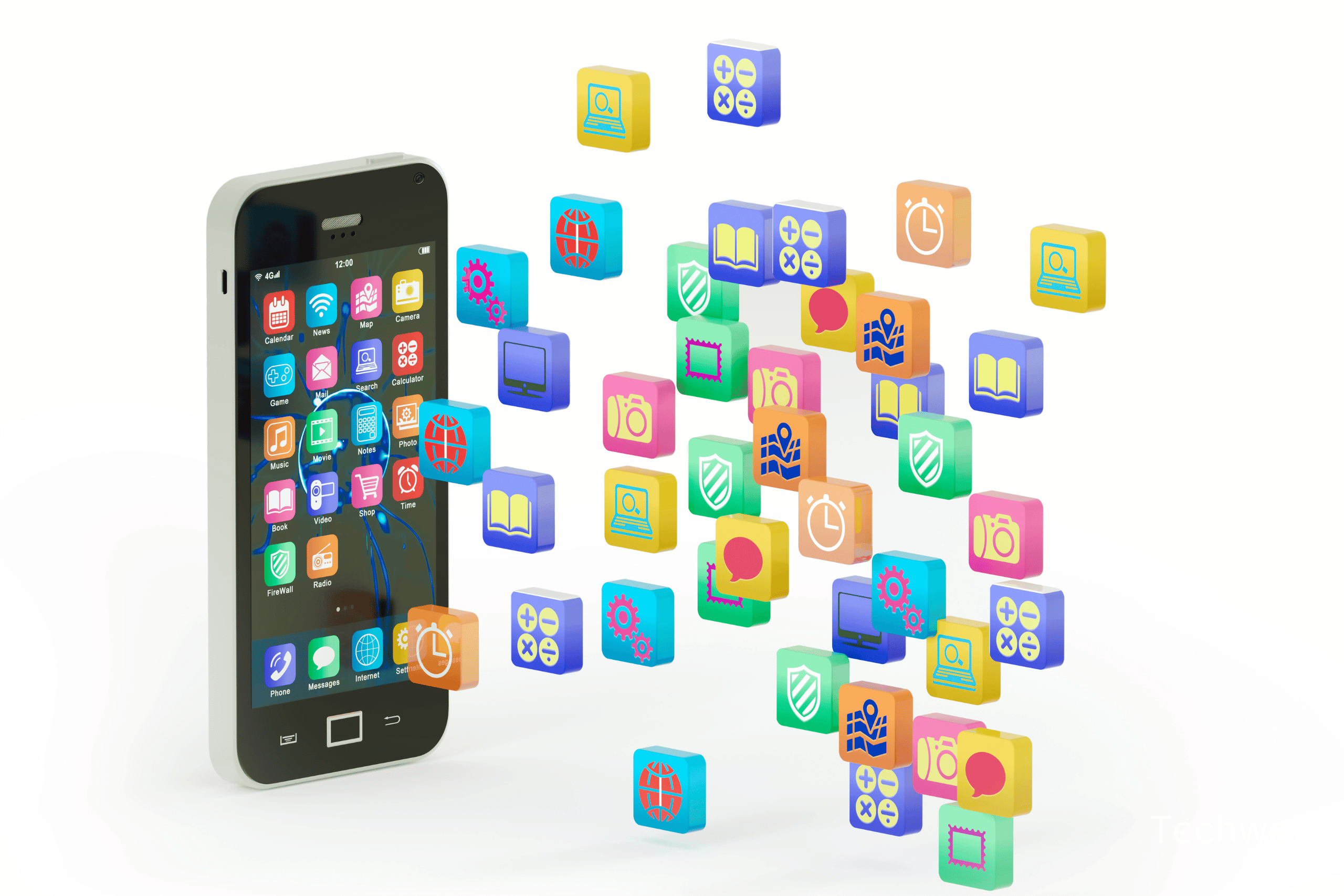
Cross-app and cross-site tracking — through tools like tracking pixels and advertising SDKs embedded in millions of apps, companies like Meta and Google can track your behavior across websites and apps you use even when you’re not using their products.
The result is a behavioral profile that, in aggregate, knows more about your daily habits, preferences, anxieties, and desires than most of your friends do.
How That Data Becomes Money
The translation from your scroll pattern to someone else’s profit happens through a real-time process called programmatic advertising. When you open an app or a webpage, an automated auction takes place in milliseconds. Advertisers bid to show you an ad based on your profile. The highest bidder wins. The app earns revenue. You see an ad.
This system works because advertisers pay premium prices for precision. Showing an ad for running shoes to 10,000 random people is less efficient than showing it to 500 people who have been identified, through their app behavior, as likely runners in the market for new gear. Your data is what creates that second group.
Beyond advertising, free apps data feeds other revenue streams:
- Data licensing and partnerships — aggregated, anonymized behavioral data is sold to market research firms, hedge funds, real estate companies, and others who find population-level behavioral data valuable.
- Product improvement — your usage patterns directly train the algorithms that keep you in the app longer, which increases the inventory of ad space available to sell.
- Financial profiling — fintech apps use behavioral and transaction data to build creditworthiness models, often in ways that aren’t fully transparent.
Is Any of This Illegal?
In most parts of the world, no — at least not yet. Data collection practices that are disclosed in a terms of service document are generally legal, even if the disclosure is buried in technical language designed to be ignored.
That said, regulation is tightening. The European Union’s GDPR has imposed real consequences on companies that mishandle data or collect it without proper consent. The UK has similar frameworks. In the US, sector-specific laws like HIPAA (healthcare) and COPPA (children’s privacy) impose limits, though comprehensive federal privacy legislation has been slow to materialize.
In Africa, momentum is building. Nigeria passed a Data Protection Act in 2023. Kenya has the Data Protection Act of 2019. South Africa’s POPIA came into full effect in 2021. These frameworks are still developing enforcement muscle, but the direction is clear.
The Honest Cost-Benefit Calculation
None of this means you should delete every free app on your phone. The honest truth is that many free products — navigation apps, messaging platforms, productivity tools — offer genuine value, and the data exchange is a reasonable trade for many people in many contexts.
The problem is that the trade happens without informed consent, at a scale most people don’t realize, and with consequences they can’t fully anticipate. Targeted advertising affects what products you hear about. Algorithmic content feeds affect what news and opinions you’re exposed to. Behavioral profiling affects what prices you’re shown and what credit you’re offered.
Understanding free apps data doesn’t require paranoia. It requires literacy.
What You Can Actually Do
You don’t need to opt out of the internet to take back some control. A few practical steps make a real difference:
- Review app permissions regularly. On both iOS and Android, you can see exactly what data each app is allowed to access and revoke permissions you don’t need to grant.
- Use privacy-focused alternatives where possible. DuckDuckGo instead of Google for search. Signal instead of WhatsApp for messaging. Firefox with uBlock Origin for browsing.
- Limit ad tracking. Both iPhone and Android offer settings to limit cross-app tracking — Apple’s App Tracking Transparency prompt is one example.
- Read the nutrition label, not the whole terms doc. Many privacy advocates now create plain-language summaries of major apps’ data practices. Sites like Terms of Service; Didn’t Read (ToS;DR) grade apps on how user-friendly their policies are.
- Use paid alternatives where the value is high. For services where your data is genuinely sensitive — health apps, mental wellness tools, financial trackers — a paid product with no advertising model is worth considering.
The Bottom Line
Every time you open a free app, a quiet transaction is happening in the background. Your attention, behavior, and personal data are being packaged and sold to generate revenue you’ll never see. That’s the real price of free.
Knowing this doesn’t ruin the internet. It makes you a more informed participant in it — and that’s exactly the kind of digital literacy that matters more every year.
Read more tech related articles here: Techwey