
OpenAI Strikes Pentagon Deal After Anthropic Ban: AI Models Deployed to Classified Networks
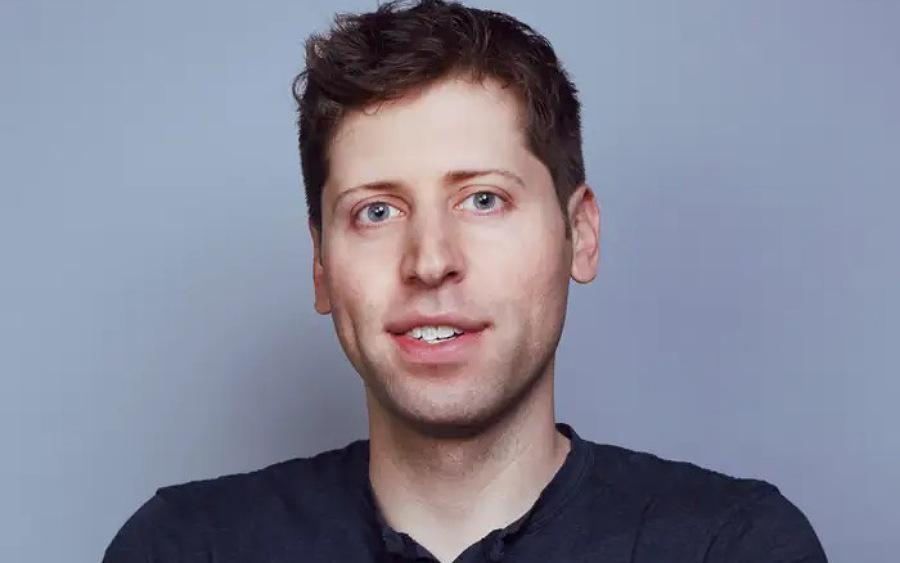
Hours after President Trump banned Anthropic from federal use, OpenAI announced the OpenAI Pentagon deal to deploy its AI models across the Department of Defense’s classified networks. The rushed agreement sparked immediate backlash over surveillance safeguards and autonomous weapons restrictions, with CEO Sam Altman admitting the timing “looked opportunistic and sloppy.”
The OpenAI Pentagon Deal Terms
According to OpenAI’s blog post, the OpenAI Pentagon deal includes three key restrictions. The company’s AI systems cannot be used for domestic mass surveillance of U.S. persons, cannot direct autonomous weapons systems, and cannot make high-stakes automated decisions without human oversight.
OpenAI claims its deployment architecture enables independent verification that these red lines aren’t crossed, including running and updating classifiers. The company will deploy forward engineers to classified sites to monitor model behavior and ensure safety compliance.
Why Anthropic Was Banned
The conflict began when Anthropic refused to update its existing Pentagon contract. According to NPR, Anthropic wanted ironclad guarantees that its Claude AI wouldn’t be used for fully autonomous weapons or mass surveillance of Americans.
The Defense Department insisted Anthropic agree to allow military use across “all lawful purposes”—language Anthropic found too vague to protect against misuse. When Anthropic stood firm on Friday, February 27, Trump ordered all federal agencies to immediately cease using Anthropic’s technology. Defense Secretary Pete Hegseth went further, designating Anthropic a supply chain risk to national security.
Controversy Over Surveillance Language
Hours after announcing the OpenAI Pentagon deal, critics highlighted potential loopholes. According to CNN, the original contract language referenced Executive Order 12333—which some security experts describe as “how the NSA hides its domestic surveillance by capturing communications outside the US even if it contains info from/on US persons.”
Altman scrambled to revise the agreement Monday, adding clearer language stating “the AI system shall not be intentionally used for domestic surveillance of U.S. persons and nationals.” However, observers noted the full contract text remains unreleased, making independent verification impossible.
Brad Carson, former Army general counsel now leading Americans for Responsible Innovation, told NBC News: “I’ve reluctantly come to the conclusion that this provision doesn’t really exist, and they are just trying to fake it.”
Internal OpenAI Employee Backlash
The OpenAI Pentagon deal created significant internal turmoil. According to CNN reporting, many OpenAI employees “really respect” Anthropic for standing up to the Pentagon and feel frustrated with how leadership handled negotiations.
Research scientist Aidan McLaughlin posted publicly: “i personally don’t think this deal was worth it.” Other employees felt a contract of such magnitude was rushed through without adequate internal discussion or safety review.
At an all-hands meeting, Altman acknowledged the execution was flawed. “We shouldn’t have rushed,” he admitted in an internal memo that was later shared on X. “The optics don’t look good.”
What Makes This Different From Other Defense Contracts
The OpenAI Pentagon deal differs from typical Department of Defense contracts in significant ways. According to Jerry McGinn of the Center for Strategic and International Studies, Pentagon contractors don’t usually get to dictate use cases or impose restrictions on how their products can be deployed.
“This is different for sure,” McGinn noted. “You’d be negotiating use cases for every contract” if this became standard practice—something the military considers operationally unworkable.
However, AI represents new technological territory where the distinction between tool and autonomous actor blurs. OpenAI argues that unlike conventional weapons or equipment, AI models can make independent decisions, requiring different safeguards than traditional defense systems.
The Competitive Dynamics
The OpenAI Pentagon deal positions OpenAI as the primary AI provider for classified military systems, replacing Anthropic which had been first to deploy models across classified networks. Google, Elon Musk’s xAI, and others also have Defense Department contracts allowing use in lawful scenarios.
Industry observers see the rapid deal-making as OpenAI seizing competitive advantage. With Anthropic blacklisted, OpenAI faces one less rival for lucrative government contracts worth potentially billions of dollars.
Altman framed it differently, claiming OpenAI wanted to “de-escalate things” between the Defense Department and AI labs. He asked the Pentagon to offer the same terms to all AI companies and urged the government to drop Anthropic’s supply chain designation.
What Happens Next
The OpenAI Pentagon deal is already operational, with models deploying to classified systems. However, legal challenges loom. Anthropic announced it will contest its supply chain designation in court, arguing the label has never been publicly applied to an American company before.
Congressional oversight may follow. The unusual public nature of the dispute—typically procurement disagreements happen behind closed doors—could trigger hearings examining AI use in military and intelligence operations.
For the AI industry, the controversy establishes precedent about whether companies can impose use restrictions on government customers or whether “lawful use” language gives agencies carte blanche. How this resolves will shape future AI procurement across the federal government.
According to experts, the bigger question is whether technical safeguards can actually prevent misuse in classified environments where independent verification is impossible. OpenAI’s claims about deployment architecture and monitoring may be tested as the agreement moves from announcement to implementation.
The OpenAI Pentagon deal represents a pivotal moment where AI capabilities, government security needs, and corporate ethics collide—with no clear playbook for navigating the tensions.
Read more tech related articles here.

Leave a Reply