Ransomware Gangs Are Now Using AI Agents to Break Into Networks
Ransomware AI agents are no longer a theory. New research from Sophos shows that a ransomware gang used AI agents to explore company networks, hunt for passwords and take control of entire Windows domains. The findings, published in early November 2026, are one of the clearest cases yet of criminals letting AI do the hard work inside a hacked network.
At the same time, blockchain analytics firm Chainalysis revealed that attackers used what it called “offensive agentic techniques” to breach its systems. Together, these cases show how quickly AI is changing cybercrime.
What Sophos Found About Aur0ra
Sophos tracks the group behind Aur0ra ransomware as GOLD OGRE. According to Sophos’ Counter Threat Unit, researchers recovered files from the Cursor AI coding assistant in late August. These files revealed how the attackers used AI during real intrusions.
Sophos assesses with high confidence that GOLD OGRE used AI to test whether its tools could slip past endpoint detection and response (EDR) products. After that, the group shared similar technology with its associates, who then used it in Aur0ra attacks.
The researchers summed up the risk clearly: “AI can accelerate phases of the attack chain and reduce the level of technical aptitude needed to conduct an attack.”
How the Ransomware AI Agents Worked
The process was simple but powerful. First, human operators gave the AI agents VPN logins, proxy access, a list of targets and clear goals. Then, the agents went to work with little human help.
According to Help Net Security, the agents:
- Mapped the network and its Active Directory structure
- Searched file shares, documents and backups for passwords
- Moved from one machine to another across the network
- Looked for backup servers, storage devices and virtualisation systems
In some networks, the agents even reached domain administrator level. In other words, they gained the keys to the whole organisation. However, humans still handled the first break-in and the final step of launching the ransomware.
The operator logs also revealed some telling details. For example, one operator told an agent to stop brute-forcing admin accounts and use “less noisy” methods instead. In addition, the operators wrote their prompts in Russian, and the logs contained Cyrillic keyboard slips. Sophos says this suggests the operators speak Russian.
Tricking AI Into Helping
Most AI models have safety guardrails that block requests to hack systems. To get around them, the attackers pretended their work was an authorised “red team” exercise or a diagnostic test. As a result, the AI tools treated the attacks as legitimate security work.
The group used Cursor’s Composer coding model along with models from Anthropic, xAI and Moonshot. At first, it relied almost entirely on Anthropic models. Later, it added other models, possibly as its goals shifted from building tools to running intrusions.
Sadly, the attacks had real victims. Three organisations whose networks the agents fully compromised later appeared on Aur0ra’s data leak site.
Other researchers have reported similar activity. For instance, Gambit Security found that an Aur0ra operator used Cursor Agent, running a Claude Sonnet model, to help attack ten organisations between April and May 2026. Interestingly, many of the agent’s commands failed at first and needed fixing, which shows the technology is powerful but still imperfect.
Chainalysis Breach Adds to the Trend
Aur0ra is not the only example. Chainalysis, a company that helps governments and exchanges trace crypto crime, detected an intrusion in October. In its incident updates, the company said an outside attacker used AI-driven techniques to reach its internal systems.
At first, Chainalysis said attackers only accessed basic data such as user IDs, names, emails and role labels. However, its November 4 update went further. The company said it discovered that names, usernames, password hashes and live tokens for all users had been exposed, and it locked affected accounts.
In response, Chainalysis brought in outside experts and took products such as Reactor and KYT offline. By November 7, it had restored these services with stronger security. It also asked all users to reset passwords and rotate API keys. Notably, the company says the breach has no link to the recent Binance hack it is helping to investigate.
Why This Matters for Businesses
Ransomware AI agents change the economics of cybercrime. In the past, moving through a large network took skilled hackers many hours or days. Now, an agent can do much of that work automatically, around the clock.
This means smaller criminal groups can run bigger attacks. Moreover, attacks can move faster than many security teams can respond. Sophos considers it highly likely that other ransomware groups will add AI agents to their toolkits.
We have already seen how AI is raising the cost of breaches, as explained in our report on why AI-powered cyberattacks make 2026 breaches more costly. These new cases show that the trend is speeding up.
How to Defend Against Ransomware AI Agents
The good news is that basic security still works. According to Sophos, existing controls remain effective against AI-assisted attacks. Organisations should focus on these steps:
- Patch internet-facing devices quickly. VPNs, firewalls and remote access tools are common entry points.
- Use phishing-resistant multi-factor authentication. Hardware keys and passkeys make stolen passwords far less useful.
- Watch EDR alerts closely. Agents can be noisy, so fast detection matters.
- Remove passwords from file shares and documents. The agents specifically searched for stored credentials.
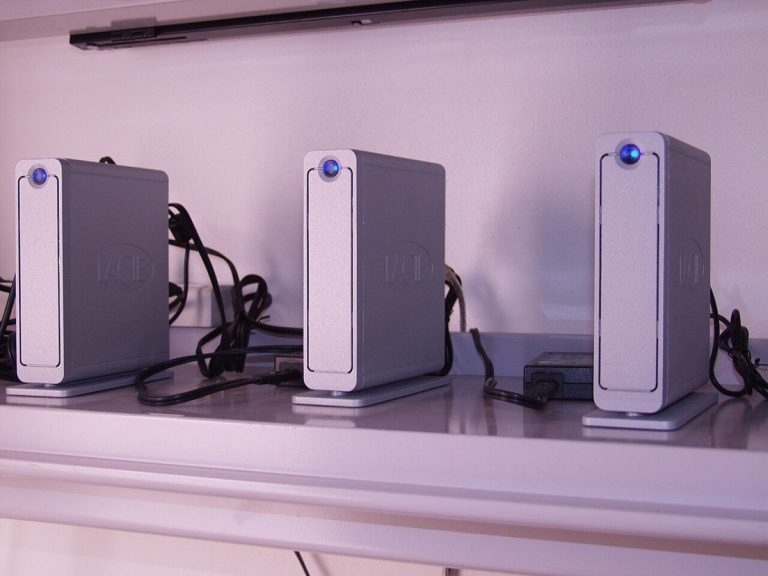
- Protect and isolate backups. Attackers hunted for backup servers to stop recovery.
- Respond fast. Sophos stresses that the speed of response often decides the outcome.
Breaches also create risks long after the attack. For example, the DigiCert data breach exposed customer details that scammers can use for phishing. For this reason, companies should also train staff to verify unexpected requests.
The Bottom Line
Ransomware AI agents have moved from warning to reality. The Aur0ra case shows criminals handing AI the job of exploring networks and stealing credentials, while humans focus on the final strike. Although the technology is new, the defence is familiar: patch quickly, lock down logins, protect backups and respond fast. Ultimately, companies that get these basics right will be far harder for AI-driven attackers to beat.